How recently was your septic tank inspected? If your answer is a while or never, then you’re making a mistake. You might be overlooking a very important aspect of your home maintenance. Maintaining the efficiency and longevity of your septic system requires routine inspections. They make sure your system conforms with local health requirements, assist in detecting problems early, and avoid the messy and hazardous repercussions of a full tank.
Everything you need to know about septic system inspections by Albuquerque Septic Company will be covered in this blog. Read till the end so you can stay informed and protect your home.
Understanding Septic System Inspections
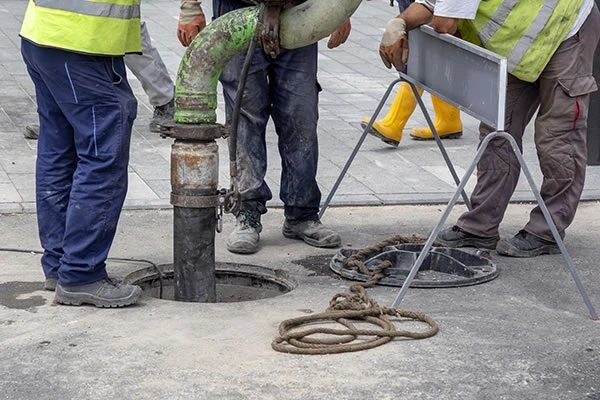
An extensive assessment of the state of your septic system, including the drain field, septic tank, and other vital parts, is known as a septic system inspection. Inspections are frequently necessary when purchasing or selling a home, getting a permit for repairs, or doing routine maintenance to avoid septic system failures. Visual inspection and full inspection are the two types of septic system inspections. Examining documents, measuring water flow, and looking for obvious problems like poor drainage or standing water close to the drain field are all part of a basic visual inspection. A full inspection is a thorough assessment that involves examining the drain field for indications of damage or failure, monitoring sludge levels, inspecting pipes, and pumping the septic tank.
What to Expect During a Septic System Inspection
- Visual inspection is the first step in the process. In order to find any clear indications of issues, the septic experts inspect the area surrounding the drain field and septic tank. Additionally, the inspector looks for particularly lush or discolored plants and any foul scents that could indicate a failing septic system.
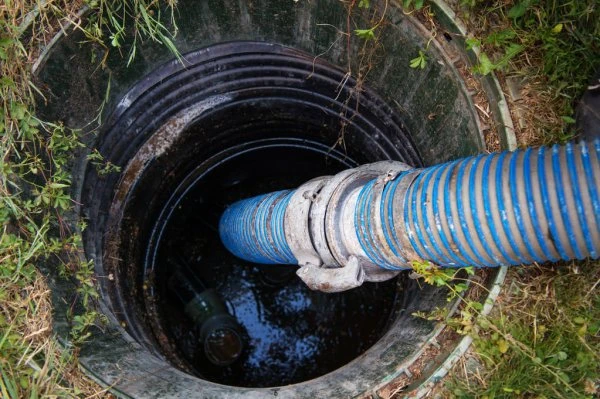
- Measuring the amount of sludge and scum in the septic tank is one of the most crucial parts of the examination. It offers essential details regarding the general health and maintenance requirements of the tank. They can identify the layer of scum floating on top using sophisticated equipment. These metrics aid in determining if the tank needs to be pumped.
- After that, the septic tank's interior is inspected for any signs of structural problems. The septic specialist searches for corrosion or fissures. Additionally, they guarantee the integrity and proper operation of the inlet and outlet baffles.
- The drain field is the final part of the septic inspection. Examining it for indications of failure, such as moist areas or excessive vegetation growth, is the main concern here. This could all be signs that wastewater is not being adequately absorbed and treated in the field.
Why Septic Tank Inspections Matter?
For a number of reasons, including avoiding expensive septic system repairs, ensuring proper system functionality, protecting the environment, and adhering to local regulations, routine septic inspections are essential.
Is It Time to Have Your Septic System Inspected?
We advise having your septic system inspected every 1-3 years. This is to make sure the system is functioning properly and that any possible issues are found before they become major disasters. Furthermore, it's critical to have a professional inspect your septic system right away if you detect any changes in water flow, foul smells, or other indications of septic failure.
Keep your septic system running at 100% efficiency, schedule your septic inspection with 505 Portable Restrooms today.









Sign in to leave a comment.