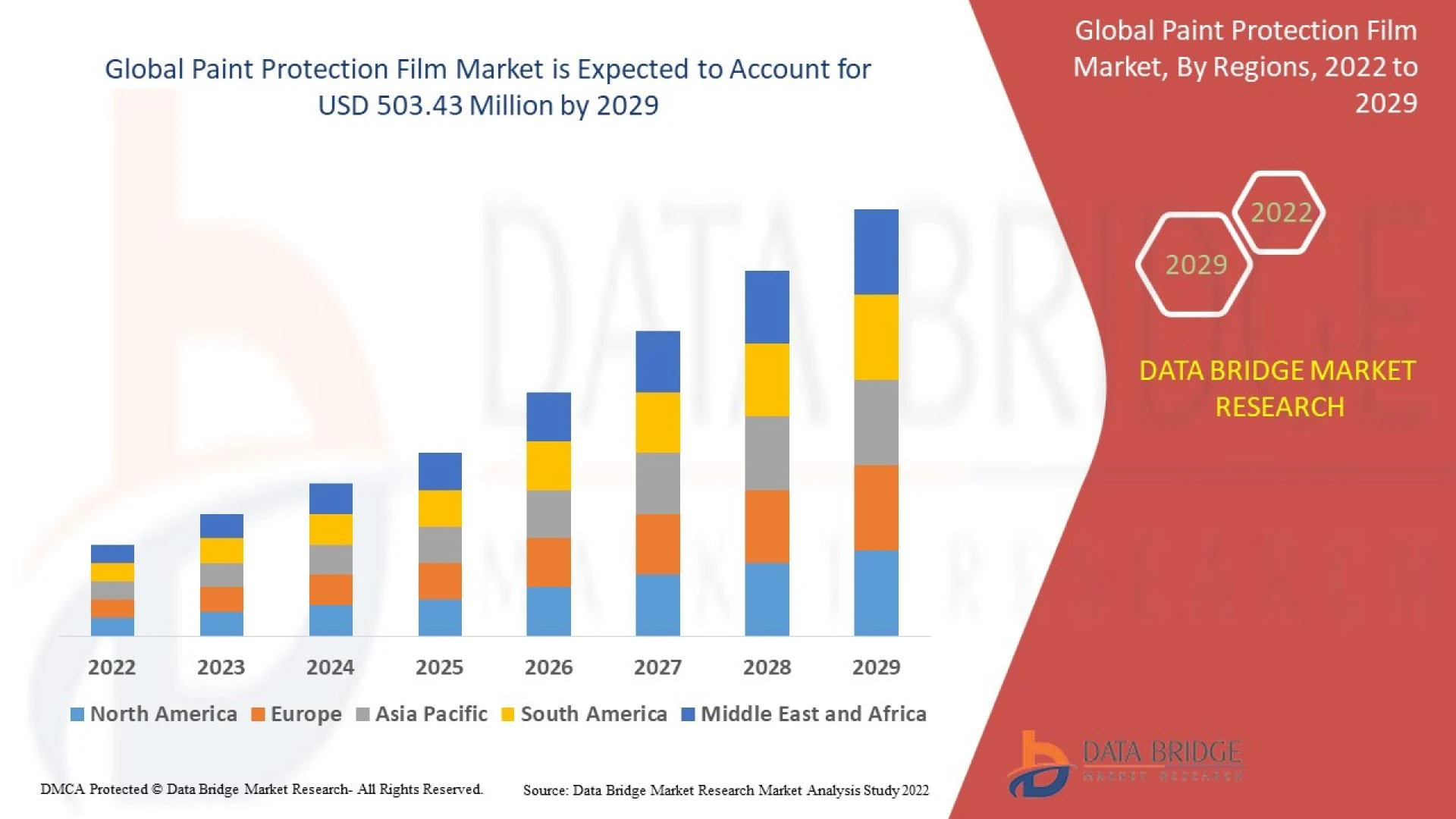

In the pursuit of preserving the aesthetics and integrity of surfaces, the Paint Protection Film (PPF) emerges as a revolutionary solution, safeguarding automotive, architectural, and industrial surfaces against wear, scratches, and environmental damage. The evolution, current trends, challenges, and future prospects of the PPF market showcase its pivotal role in enhancing surface longevity and aesthetics.
Introduction:
Paint Protection Films, a specialized thermoplastic polymer, serve as a protective barrier applied to surfaces vulnerable to abrasions, stone chips, UV rays, and chemical contaminants. Originally developed for military applications, PPF has transcended its initial purpose, finding extensive use in automotive paint preservation and architectural coatings, among other sectors.
The Evolution:
The evolution of Paint Protection Films traces back to advancements in polymer technology and film manufacturing processes. Initially conceived for helicopter blades during the Vietnam War to mitigate damage from debris and sand, PPF has undergone substantial advancements in composition, durability, and application methods.
From its inception as a clear, adhesive-backed film providing basic protection to intricate formulations with self-healing properties and enhanced optical clarity, the evolution of PPF mirrors technological strides and the demand for superior surface protection across industries.
Market Trends:
Current trends in the PPF market emphasize a growing preference for high-quality films offering durability, optical clarity, and self-healing capabilities. Automotive enthusiasts and car manufacturers increasingly opt for PPF to maintain the pristine appearance of vehicle exteriors, bolstering the film's application in the automotive sector.
Moreover, architectural applications of PPF witness a surge, with builders and architects utilizing these films to shield building facades, glass surfaces, and other architectural elements against weathering, graffiti, and environmental pollutants. The market also witnesses a shift towards eco-friendly formulations and films compatible with various surfaces, broadening its applicability.
Challenges:
Despite its burgeoning popularity, the PPF industry faces several challenges. Maintaining competitive pricing while ensuring quality remains a balancing act for manufacturers. Additionally, educating consumers about the benefits and proper application of PPF poses a challenge, especially in newer markets or industries.
Furthermore, the need for constant innovation to enhance film performance, address environmental concerns regarding disposal, and ensure compatibility with advanced automotive coatings or architectural materials poses challenges for industry stakeholders.
Market Scope:
The scope of the Paint Protection Film market extends across diverse sectors, including automotive, architectural, electronics, marine, and aerospace. Automotive applications dominate the market, with PPF serving as a protective shield for vehicle exteriors, preserving paintwork and enhancing resale value.
In the architectural domain, PPF safeguards glass surfaces, building exteriors, and sensitive architectural elements, catering to the demand for surface protection while maintaining aesthetics. Additionally, its use in electronic devices, aviation, and marine industries continues to expand, highlighting its versatility and functionality.
Market Size and Factors Driving Growth:
The PPF market witnesses steady growth, fueled by factors such as increasing awareness regarding surface protection, rising demand for vehicle aesthetics and longevity, and technological advancements in film formulations. The market size is expected to escalate, driven by the expanding automotive industry and the growing inclination towards preserving high-value assets.
Factors driving this growth include innovations in self-healing films, advancements in film clarity and durability, and a rising focus on environmental sustainability, encouraging the development of recyclable or biodegradable PPF solutions. Additionally, the surge in urbanization and construction activities contributes to the market's upward trajectory.
In conclusion, Paint Protection Films represent a vital solution in preserving surface aesthetics and integrity across diverse industries. While facing challenges in cost-effectiveness, education, and environmental impact, the PPF market continues to evolve, offering advanced protection solutions for surfaces vulnerable to damage.
The future of the Paint Protection Film market hinges on technological innovation, environmental consciousness, and collaborative efforts among manufacturers, industries, and consumers. As the demand for surface protection intensifies, PPF stands resilient as a shield, ensuring the longevity and pristine appearance of surfaces in an ever-evolving world.










Sign in to leave a comment.