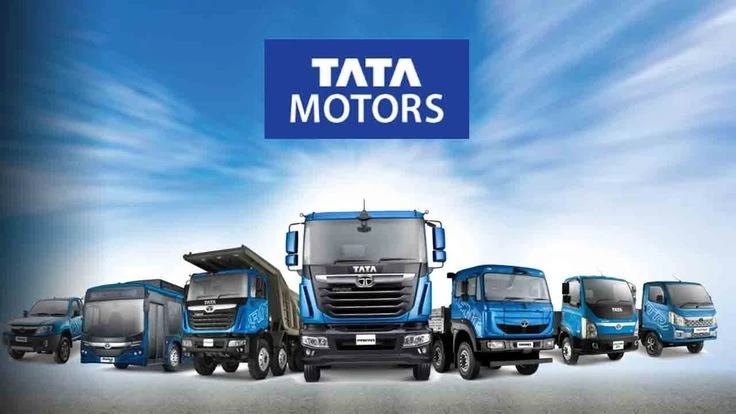

Urban transport in Kathmandu is undergoing a huge change in passenger safety and inclusivity. For years, female commuters have faced challenges like overcrowding and limited to no security during night travel. However, the introduction of smarter technology and dedicated initiatives is reshaping the daily commute in the capital.
Safety tech
Shift towards micro bus for urban transportation has enabled more flexible and frequent services across narrow city lanes. These smaller vehicles are being equipped with GPS tracking and interior closed-circuit television cameras. Such upgrades assure every journey is monitored, providing a much-needed layer of accountability for the safety of women and students.
Digital integration
Safety features now include panic buttons and mobile app integration helping passengers share their live location with family members. This technological push is much important in Kathmandu, where the density of commuters is high throughout the day. By digitising the passenger experience, operators are creating a much respectful and secure environment for everyone.
Female operators
Another inspiring trend is the increasing number of female drivers and conductors entering the sector. Traditionally dominated by men, the industry is now seeing women taking the lead in operating electric versions of the bus. This transition not only promotes gender equality but also contributes to a calmer and more disciplined atmosphere inside the vehicle, which naturally reduces instances of harassment.
Inclusion metrics
Data suggests that female-led transport services see a 25% higher satisfaction rate among solo female travellers. When women feel represented in the workforce of the transit system, they are more likely to use public transport rather than expensive private alternatives. This creates a positive cycle fuelling further investment in inclusive infrastructure across the country.
Operational benefits
The move towards these tech-enabled vehicles also offers several advantages for the owners and the city:
- Real-time feeds: Improved security and rapid emergency response.
- App scheduling: Greater reliability and reduced passenger congestion.
- Electric engines: Zero tailpipe emissions and lower noise pollution.
- Sensor data: Better route optimisation and urban planning.
Community trust
These improvements show a big change in how the city moves. When a vehicle is equipped with modern sensors and tracked via a central hub, the risk of erratic driving or misconduct drops. This builds trust between the public and the transport providers, guaranteeing long-term sustainability for small-scale operators.
Financial sustainability
Operators find switching to electric model's cuts running costs a lot in comparison to traditional fuels. Even same daily operations can save thousands of rupees in maintenance, freeing up funds for reinvestment in better passenger amenities. Owners can now spend more on cleanliness and make the commute much better for modern workers.
Conclusion
Nepal is proving that even small-scale transport can lead the way in social and technological reform. By combining smart safety tech with a push for gender-inclusive staffing, the urban commute is becoming safer and better. As these trends continue to grow, the city moves closer to a truly equitable transport network that serves all its citizens with dignity.










Sign in to leave a comment.