Homeowners and commercial property managers in Gwinnett County often overlook insulation—until signs of energy loss or discomfort become hard to ignore. Whether the issue stems from aging insulation, poor material choice, or outdated building methods, identifying early indicators can save both time and money. Recognizing when insulation services in Gwinnett County are needed helps prevent long-term energy waste and ensures stable indoor comfort.
This guide outlines key signs, performance factors, and service types relevant to Gwinnett County properties, helping owners make informed decisions with real energy savings in mind.
Key Signs Insulation Services Are Needed
Understanding when to act can prevent avoidable energy costs and indoor discomfort. A proactive approach starts with spotting the right indicators.
Inconsistent Indoor Temperatures
Fluctuating room temperatures often signal gaps or failures in insulation. Uneven heat distribution or cold spots during winter usually indicate insufficient coverage in walls, floors, or attic spaces.
High Utility Bills
Spikes in heating or cooling costs point to insulation issues. Even modern HVAC systems struggle when thermal resistance is compromised, making energy losses more expensive over time.
Drafts and Air Leakage
Noticeable airflow around windows, doors, or wall seams shows poor sealing. This often stems from missing or deteriorating insulation in wall cavities or attic bypasses.
Pest Intrusion or Moisture Accumulation
Rodents, insects, or mold growth inside attics or crawl spaces often exploit gaps left by inadequate insulation or broken vapor barriers. These issues often lead to structural and indoor air quality problems.
Ice Dams or Roof Condensation
In winter months, heat escaping through the roof can melt snow unevenly, creating ice dams and potential water damage. This reflects attic insulation failure and air leakage.
Insulation Material Types and Their Application
Different building zones require different insulation strategies. Material selection depends on area use, climate zone, and energy goals.
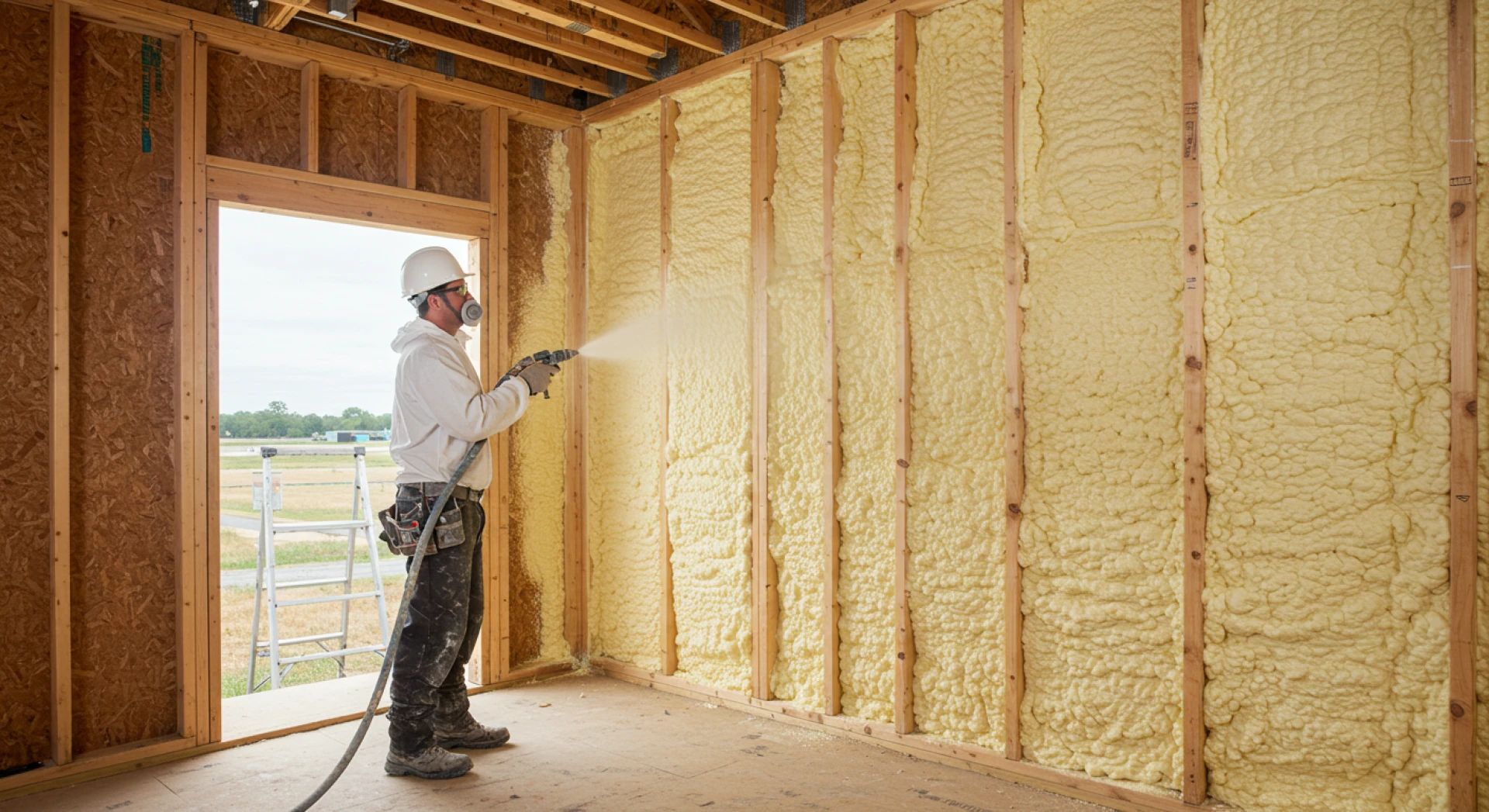
Spray Foam Insulation
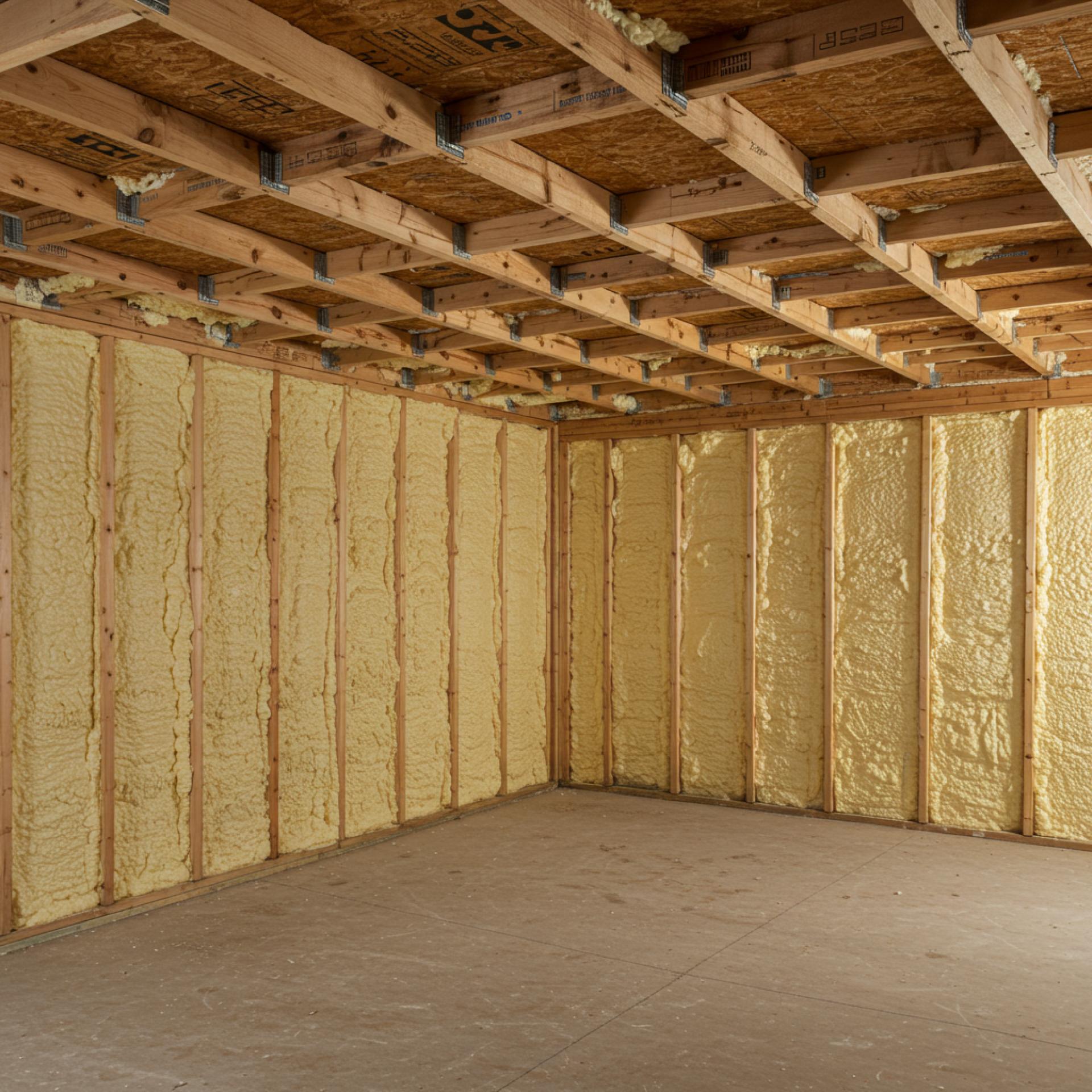
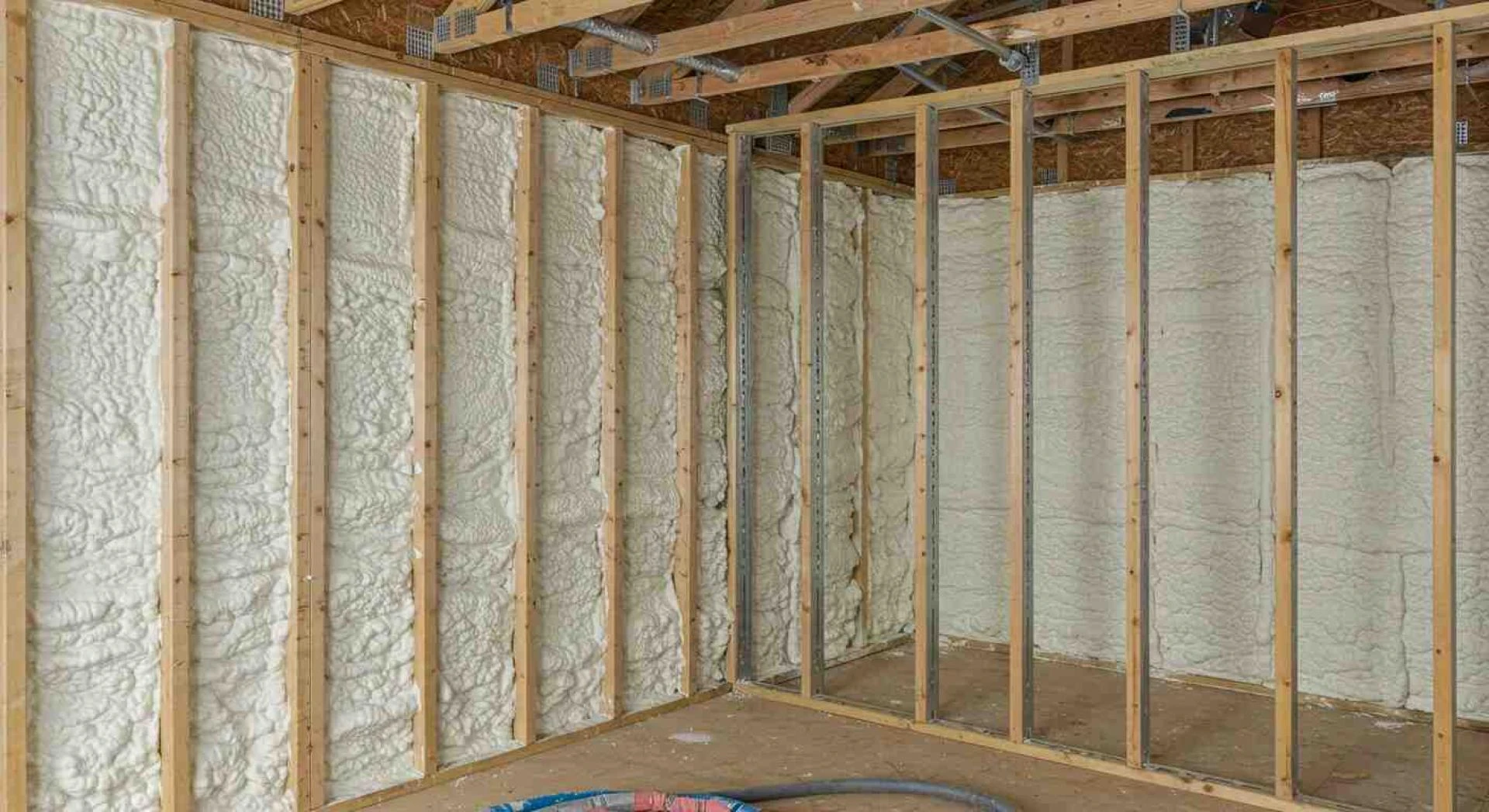
A top-performing choice for sealing building envelopes. It expands into cavities, blocks moisture, and improves structural rigidity.
- Best for: Walls, attics, crawl spaces
- Benefits: High R-value, air sealing, moisture control
- Technicians: Applied by certified foam technicians only
Blown-In Insulation (Fiberglass and Cellulose)
Loose-fill insulation fills irregular spaces well. Often used in retrofits for attics and wall cavities.
- Best for: Attics, ceiling cavities
- Benefits: Quick install, cost-conscious solutions
- Fiberglass: Fire-resistant, durable
- Cellulose: Eco-friendly, dense coverage
Batt Insulation
Common in residential builds for its ease of use. Pre-cut panels of fiberglass or mineral wool are installed between framing.
- Best for: Walls, ceilings, basements
- Benefits: Budget-friendly options, fast installation
Crawl Space and Floor Insulation
Stops air movement from below, keeping floors warmer and reducing moisture infiltration.
- Best for: Older homes, elevated structures
- Benefits: Moisture protection, energy savings value
DIY Efforts vs. Skilled Insulation Work
Insulation performance relies on material quality and proper installation. DIY projects rarely address air sealing or material compression.
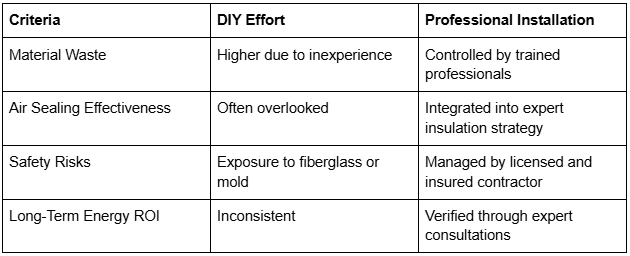
Verified through expert consultations
Hiring a highly skilled team ensures performance aligns with Gwinnett County climate demands and modern energy codes.
Performance and Long-Term Outcomes
The true value of insulation isn’t just temperature regulation—it’s operational savings and indoor quality over time.
Energy Savings and ROI
Professionally installed insulation offers a long-term energy ROI by cutting HVAC cycling, lowering repair costs, and reducing energy consumption. Smart spray foam choice leads to sealed, efficient building envelopes that deliver year-round comfort.
Comfort and Noise Control
Insulated spaces retain temperature and dampen exterior noise. Spray foam and dense-pack cellulose both offer soundproofing benefits beyond thermal insulation.
Building Longevity
Moisture control through air sealing and insulation prevents structural decay. Crawl space and attic insulation, when done by a skilled workforce, helps avoid rot, mold, and pest-related degradation.
Services Available from Makeover Insulation
Insulation issues vary across property types. Makeover Insulation provides full-spectrum solutions tailored to the Gwinnett County environment.
Attic Insulation
Stops heat loss through the roof and stabilizes indoor temperature. Applied using blown-in or batt methods for maximum surface coverage.
Blown-In Insulation (Fiberglass/Cellulose)
Effective for retrofitting older homes or filling hard-to-reach cavities. Offers high coverage with minimal structural disruption.
Spray Foam Insulation
Closed- and open-cell foam options available. Applied by certified foam technicians to seal gaps, insulate, and block moisture.
Crawl Space Insulation
Targets underfloor air leakage and moisture problems. Reinforces comfort and helps reduce musty odors or cold floors.
Wall Insulation
Improves sound dampening and energy performance in both interior and exterior walls. Ideal for remodels or code upgrades.
Floor Insulation
Prevents heat transfer from basement or crawl spaces. Best for slab-on-grade and suspended floor designs.
Batt Insulation
Pre-cut fiberglass insulation suited for new builds. Easy to install between studs or joists.
Insulation Removal
Old or damaged insulation is safely removed and disposed of before upgrades. Reduces allergens and improves performance.
Air Sealing
Key step in preparing for new insulation. Blocks airflow that undermines thermal protection.
Builder Services
Project-ready experts assist with new construction energy compliance and insulation planning. Focused project planning from start to finish.
Conclusion
Aging or poor insulation can affect energy costs, indoor air quality, and structural health. Spotting drafty areas, uneven temperatures, or utility surges early helps avoid expensive future repairs. Each type of insulation plays a specific role, but successful results depend on correct application, proper material choice, and a knowledgeable local team.
Ready to Achieve Energy-Efficient Indoor Performance?
Smart investment insulation starts with identifying the right upgrade at the right time. Makeover Insulation delivers premium-level work through a safety-first approach and reliable service delivery. Call (470) 664-5300 to plan your next insulation upgrade with trained professionals focused on cost-effective performance.
FAQs
How do I know if my attic insulation is still working?
Check for cold spots, uneven heating, or visible gaps in the material. If insulation looks compressed, dusty, or thin, it’s time for replacement.
Can new insulation lower cooling costs in the Georgia summer?
Yes. Spray foam and blown-in insulation reduce thermal load and keep conditioned air inside. This results in lower HVAC runtime and energy savings value.
What’s the difference between cellulose and fiberglass blown-in insulation?
Cellulose is denser and often made from recycled paper, ideal for sound dampening. Fiberglass is fire-resistant and resists mold, offering budget-friendly options with good thermal resistance.
Is spray foam insulation safe for indoor air quality?
When installed by certified foam technicians, spray foam is safe and sealed properly. Off-gassing occurs only during application and is neutralized after curing.
Should old insulation be removed before adding new material?
In many cases, yes. Insulation removal is recommended if the existing material is moldy, contaminated, or no longer effective. Clean substrates help achieve long-term energy ROI.
Reviewer: Ava Clark shared her input based on 6 years of working with spray foam insulation teams. Her focus on customer trust and communication helped shape key parts of this post.











Sign in to leave a comment.