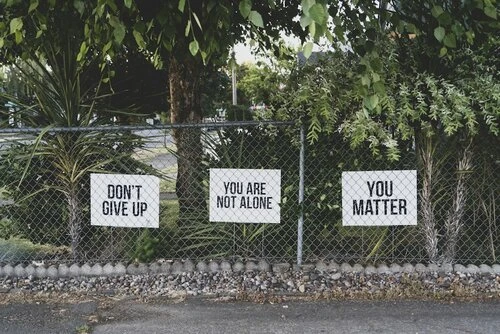

Living with a disability often entails more than just physical limitations; it encompasses a range of emotional and mental health challenges that are frequently overlooked. Let’s delve into the silent struggles within the disability community, addressing the mental health aspects that significantly impact individuals' well-being with the help of disability support services.
Understanding the Stigma:
Individuals with disabilities often face stigma and discrimination, which can exacerbate mental health issues. Society's misconceptions and stereotypes about disability contribute to feelings of isolation and inadequacy, affecting self-esteem and mental well-being.
Navigating Accessibility Barriers:
Accessibility barriers not only hinder physical access but also contribute to mental stress and anxiety. When basic needs like transportation, employment, and social participation are inaccessible, individuals with disabilities experience heightened frustration and feelings of exclusion, impacting their mental health.
Challenges in Healthcare Access:
Accessing appropriate healthcare services can be challenging for individuals with disabilities. From physical accessibility issues to communication barriers, navigating the healthcare system adds layers of stress and anxiety, often leading to neglect of mental health needs.
Impact of Social Isolation:
Social isolation is a prevalent issue among individuals with disabilities, stemming from physical barriers, societal attitudes, and limited opportunities for social interaction. The lack of meaningful connections can lead to feelings of loneliness, depression, and anxiety, highlighting the critical need for inclusive community initiatives.
Financial strain is a significant concern for many individuals with disabilities, as they often face higher medical expenses, limited employment opportunities, and inadequate financial support. The stress of financial insecurity can exacerbate mental health issues, leading to depression, anxiety, and overall diminished well-being.
Emotional Toll of Ableism:
Ableism, or discrimination against individuals with disabilities, takes a profound emotional toll on mental health. Constant encounters with ableist attitudes and behaviours reinforce feelings of inferiority and worthlessness, contributing to anxiety, depression, and low self-esteem.
Coping with Trauma and Past Experiences:
Many individuals with disabilities have experienced trauma, whether from the onset of their disability, medical interventions, or societal mistreatment. Coping with past traumas while navigating daily challenges can be emotionally draining, requiring support and resources for healing and resilience.
Empowerment Through Advocacy and Support:
Despite these challenges, empowerment through advocacy and support can significantly improve mental health outcomes. By fostering a sense of agency, self-determination, and community belonging, individuals with disabilities can cultivate resilience and well-being.
Challenges of Caregivers:
Caregivers within the disability community often shoulder immense responsibilities, which can take a toll on their mental health. The constant need for assistance, managing medical appointments, and advocating for their loved ones can lead to caregiver burnout. It's vital for caregivers to prioritize self-care, seek support networks, and take regular breaks to prevent mental health issues.
Access to Mental Health Services:
Despite the prevalence of mental health challenges within the disability community, access to appropriate services remains a significant barrier. Many individuals with disabilities face challenges in accessing mental health professionals who understand their unique needs. There is a pressing need for increased training for mental health providers to ensure they can effectively support individuals with disabilities.
Intersectionality and Marginalization:
Intersectionality plays a crucial role in understanding the mental health challenges faced by individuals with disabilities. Those belonging to marginalized communities, such as people of color or LGBTQ+ individuals with disabilities, may face compounded discrimination and stigma, further exacerbating their mental health struggles. Addressing intersectional issues is essential in providing holistic support and fostering inclusivity.
Societal Stigma and Discrimination:
The societal stigma surrounding both disabilities and mental health issues can contribute to feelings of isolation and low self-esteem within the disability community. Individuals may internalize negative perceptions, leading to reluctance to seek help for mental health concerns. It's imperative to challenge societal stereotypes and promote acceptance and understanding of mental health challenges within the disability community.
Get in touch with a professional
Addressing mental health challenges within the disability community requires a multifaceted approach that acknowledges the intersectionality of disability and mental health. By raising awareness, reducing stigma, improving accessibility, and fostering inclusive environments, we can create a society where individuals with disabilities thrive mentally, emotionally, and physically. If you or someone you know is struggling with mental health challenges in the disability community, reach out to My Disability Provider for compassionate support and tailored resources. They provide high-quality assistance with daily living, personal care services, and disability respite services.
Contact them to find out more.
About the author
John Depp is a disability advocate and mental health educator passionate about promoting well-being within the disability community. With a background in psychology and advocacy work, John strives to raise awareness of mental health challenges and empower individuals to advocate for their holistic wellness.











Sign in to leave a comment.