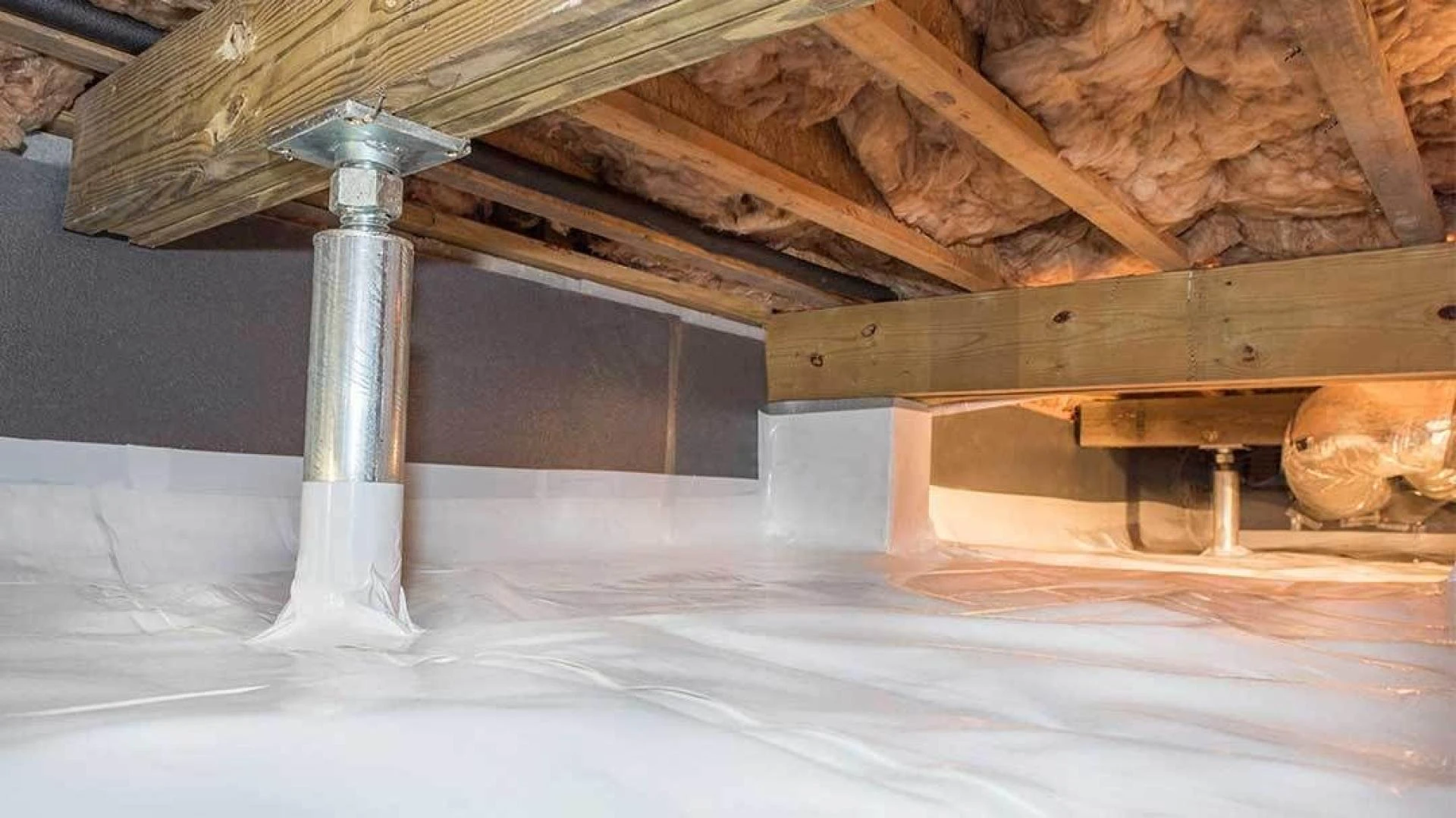
The most effective way to check crawl space insulation is to visually inspect for sagging material, water stains, and physical damage, and to monitor indoor floor temperatures. Homeowners should look for falling fiberglass batts, evidence of rodent activity, and dampness on the vapor barrier. These signs indicate that the thermal barrier is compromised and no longer effectively blocking heat transfer or moisture.
Neglecting the space beneath a home can lead to higher energy bills and structural damage, yet it remains one of the least inspected areas of a property. Regular checks prevent minor issues from escalating into expensive repairs. Industry data shows that up to 15% of a home's heat loss occurs through poorly insulated crawl spaces, making accurate assessment a necessary skill for maintenance.
Visual Signs of Insulation Failure
Start with a bright flashlight and a safety mask to examine the material's condition from the access door or by crawling inside. A quick scan of the subfloor often reveals the most apparent problems without advanced diagnostic tools.
Identifying Sagging or Falling Batts
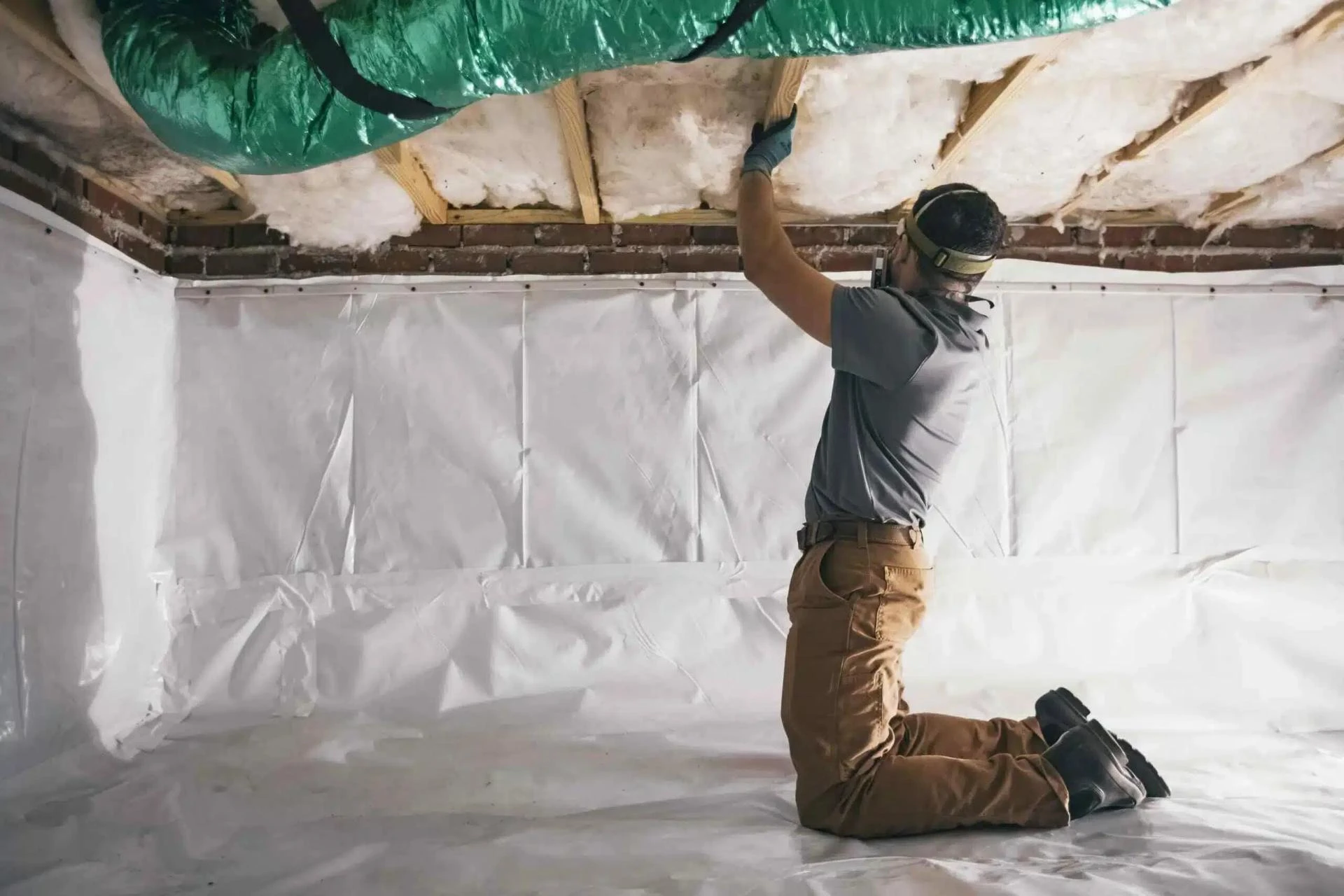
Gravity and moisture eventually pull fiberglass batts away from the subfloor, creating gaps where air can circulate freely between the insulation and the wood. When insulation hangs down, it makes a "chimney effect" that allows cold air to bypass the material, rendering it ineffective at preventing thermal transfer.
Why Gravity Wins
Fiberglass batts rely on friction or thin metal wires to stay in place between floor joists. Several factors contribute to their eventual failure and detachment.
- Moisture absorption adds significant weight to the fiberglass, causing staples or wire supports to fail under the strain.
- Vibrations from residents walking above slowly loosen the friction fit of the batts over time.
- Inadequate fastening during the initial installation leads to premature detachment within the first few years.
Spotting Discoloration and Dark Spots
Clean fiberglass appears pink, yellow, or white, but dirty insulation indicates that airflow is passing through it like a filter. Dark grey or black patches usually mean that dust, pollutants, and conditioned air are penetrating the rim joist or vents.
Bonus Tip
If the insulation looks clean but smells dusty or acrid, it may be filtering soil gases. This suggests the air seal is broken, even if the material seems visually intact.
Detecting Moisture and Water Intrusion
Water is the primary enemy of any foundation system, capable of destroying insulation R-value and structural integrity in a single season. Checking for dampness involves inspecting both the wood framing and the insulation material for signs of saturation.
Recognizing Musty Odors
A strong, earthy smell entering the main living space often originates from a damp crawl space where humidity is uncontrolled. This odor suggests that mold or mildew is actively growing on organic materials beneath the home, including the insulation's paper backing.
Inspecting the Vapor Barrier
The plastic sheet on the ground, known as a vapor barrier, should be continuous and free of large puddles or standing water. Rips, tears, or missing sections allow ground moisture to evaporate upwards into the floor joists, causing the insulation to act like a sponge.
Checking for Pest Activity
Rodents and insects view insulation as ideal nesting material, creating tunnels that destroy the thermal integrity of the batt. Signs of infestation are often subtle but distinct to a keen observer who knows what to look for.
Evidence of Nesting and Tunnels
Mice and rats often shred the paper facing of fiberglass or pull out chunks of foam to build warm nests for their young. Homeowners should look for small, burrowed holes in the insulation that resemble tunnels in an ant farm.
- Scattered insulation debris left on the vapor barrier indicates active disturbance from above.
- Droppings found on top of the plastic sheeting suggest a current or recent infestation.
- Grease marks along joists or pipes indicate the paths rodents use.
Physical Performance Indicators
Sometimes the condition of the insulation is best felt rather than seen, especially during extreme weather conditions. The comfort level inside the home serves as a direct report card for the performance of the underfloor insulation system.
Cold Floors in Winter
If the floors feel freezing to the touch despite the heating system running, the insulation is likely too thin or missing entirely. This physical discomfort indicates that the cold air from the crawl space is directly absorbing heat from the floorboards.
Drafts Near Baseboards
Air leaks in the crawl space often manifest as cold drafts coming from under the baseboards in the living area. Improperly sealed rim joists allow wind to blow through the crawl space and into the walls, bypassing the insulation.
Things to Consider Before Making a Decision
Before deciding to replace or repair insulation based on these checks, homeowners should weigh the scope of the project. Understanding the extent of the damage helps determine whether a quick fix or complete remediation is needed.
Safety Considerations for Inspection
Crawl spaces can harbor hazardous mold spores, animal waste, and exposed electrical wiring, all of which pose immediate risks. Proper protective gear, including a high-quality respirator and Tyvek suit, is mandatory for anyone entering these confined spaces.
- Structural Stability: Never enter a crawl space if the subfloor appears rotted or shows signs of structural collapse.
- Biological Hazards: Avoid touching wet insulation or animal droppings without heavy-duty gloves.
- Electrical Safety: Watch for hanging wires that rodents may have chewed, exposing live copper.
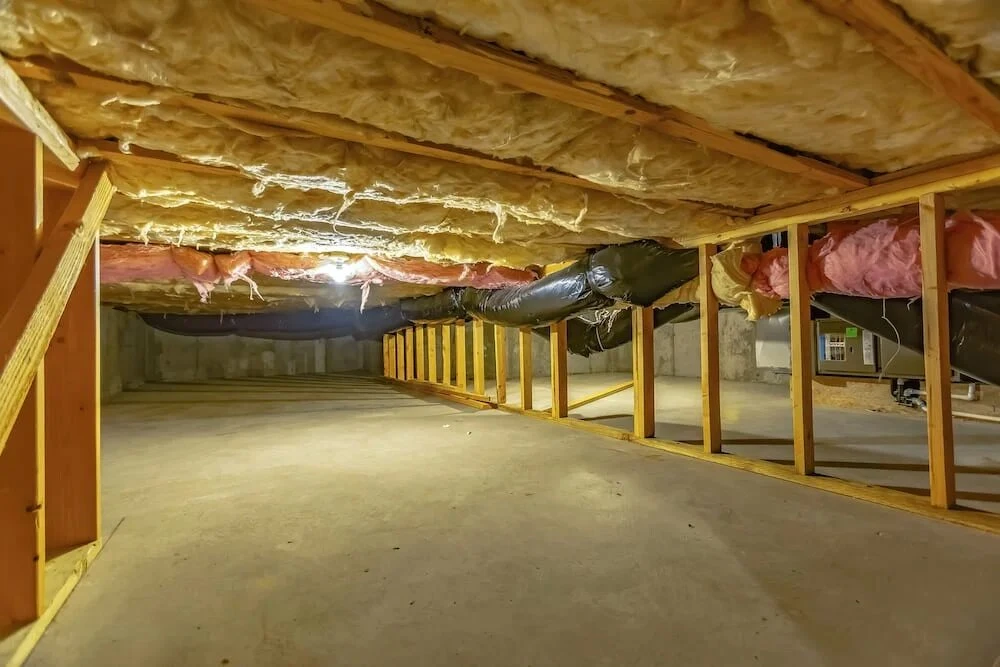
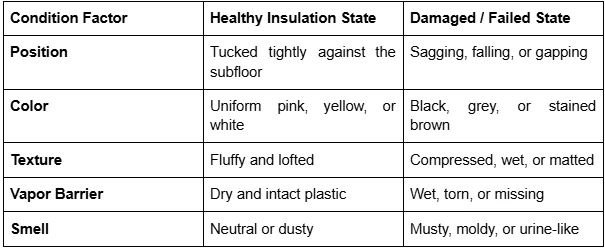
Comparison of Healthy vs. Damaged Insulation
Distinguishing between minor wear and tear and critical failure helps property owners prioritize their repair budget. This table outlines the apparent visual differences between functional insulation and material that needs immediate replacement.
Conclusion
Keeping a close watch on the crawl space ensures the long-term health of the structure and stable comfort. Regular inspections allow early intervention that reduces utility costs and prevents major repairs. When supported by professional insulation services, homeowners who check for sagging batts, moisture, and pest activity maintain a more efficient and safe environment.
Professional Assistance for Crawl Space Needs
For homeowners who prefer a professional assessment or need expert remediation, contacting a dedicated insulation service is the safest option. Makeover Insulation provides comprehensive crawl space evaluations and upgrade services tailored to local climate conditions. Their team can identify hidden issues that an untrained eye might miss.
Individuals interested in scheduling an inspection or discussing insulation options can contact Makeover Insulation. Contact them by phone at (470) 664-5300 or by email at [email protected]. They offer the expertise needed to restore energy efficiency and protect the home's foundation.
Questions People Ask About Crawl Space Checks
Many homeowners share similar concerns about the frequency and methods of inspecting their foundations. Answering these common inquiries provides clarity on best practices for ongoing maintenance.
How often should I check my crawl space insulation?
Inspections should occur at least twice a year, typically in the spring and autumn. This schedule allows homeowners to catch water damage from spring rains or pest activity before winter sets in.
What does black insulation mean?
Black discoloration usually indicates that the insulation is filtering dirt and dust from leaking air. It is a primary sign of air leakage, meaning the home is losing conditioned air through the floor.
Can I just add new insulation over the old stuff?
Adding new material over damaged or wet insulation is a bad idea. It traps moisture and mold against the subfloor, accelerating wood rot and creating poor indoor air quality.
Is a vapor barrier essential?
Yes, a vapor barrier is essential for controlling ground moisture. Without it, water vapor rises constantly from the soil, saturating the wood and insulation regardless of how good the ventilation is.
How do I know if the R-value is high enough?
R-value requirements vary by region, but a general rule is that the insulation should fill the joist cavity. If the material is very thin or compressed, it is likely not meeting current energy codes.
Reviewer: Ava Clark shared her input based on 6 years of working with spray foam insulation teams. Her focus on customer trust and communication helped shape key parts of this post.










Sign in to leave a comment.