Skin whitening treatments are becoming increasingly popular as people look for ways to improve their skin tone and tackle issues like uneven pigmentation. Whether it’s for aesthetic reasons or to boost confidence, many individuals are exploring safe and effective ways to brighten their complexion. But what does skin whitening involve, and what options are available? Let’s delve into this fascinating topic.
What is Skin Whitening?
Skin whitening refers to treatments aimed at reducing melanin levels in the skin to achieve a lighter tone. Melanin is the pigment responsible for skin colour. By targeting melanin, these treatments can help reduce dark spots, scars, and other blemishes, creating a more even complexion.
Why Do People Choose Skin Whitening?
People opt for skin whitening treatments for various reasons:
- Uneven skin tone: To address discolouration caused by sun damage or ageing.
- Confidence boost: A clearer complexion often enhances self-esteem.
- Specific skin conditions: Treatments can help with issues like hyperpigmentation and acne scars.
Skin Whitening vs Skin Lightening vs Skin Brightening
While these terms are often used interchangeably, they have subtle differences:
- Skin Whitening: Focuses on lightening overall skin tone.
- Skin Lightening: Targets specific areas of discolouration or pigmentation.
- Skin Brightening: Enhances skin’s natural glow and radiance.
Choosing the right approach depends on individual goals and skin needs.
Types of Skin Whitening Treatments
Topical Creams and Serums
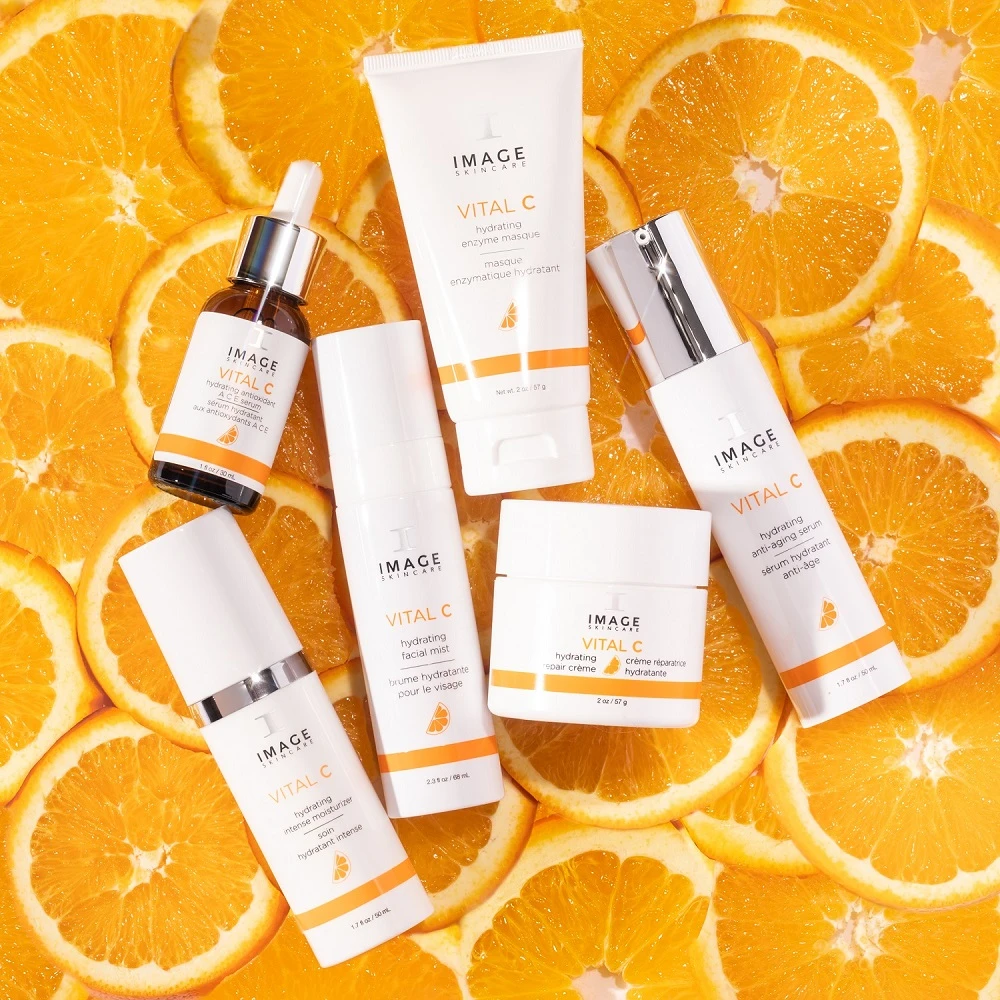
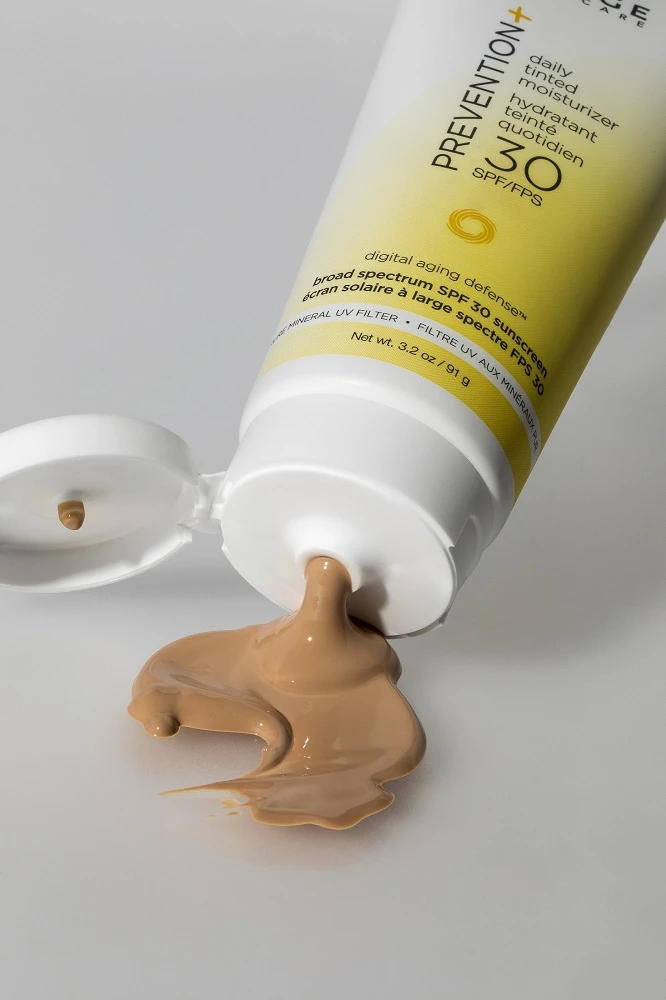
These are some of the most common options. They often contain ingredients like hydroquinone, vitamin C, and niacinamide, which work to lighten dark spots and even out skin tone.
Skin Whitening Injections
These involve substances like glutathione, which may reduce melanin production. While popular in some regions, it’s essential to consult a professional about their safety and efficacy.
Laser Skin Whitening Treatments
Laser treatments target pigmentation by breaking down melanin deposits. They’re highly effective but can be expensive and require multiple sessions.
Chemical Peels and Microdermabrasion
These methods exfoliate the skin, removing dead cells and encouraging new, brighter skin to emerge. They’re great for addressing superficial pigmentation.
Natural Remedies
Some people prefer natural options, such as turmeric masks or aloe vera. While these can provide mild benefits, they may not deliver dramatic results.
The Science Behind Skin Whitening
How Treatments Target Pigmentation
Most treatments focus on reducing melanin production or removing existing melanin from the skin’s surface. This can be achieved through topical agents, lasers, or exfoliation techniques.
Role of Melanin in Skin Colour
Melanin determines the colour of your skin, eyes, and hair. Factors like genetics, sun exposure, and age can influence melanin levels, leading to uneven pigmentation.
Impact on Dead Skin Cells and Skin Rejuvenation
Treatments like chemical peels and microdermabrasion remove dead skin cells, encouraging new ones to form. This rejuvenation process leaves the skin looking fresher and brighter.
Laser Skin Whitening: What You Need to Know
How Laser Treatments Work
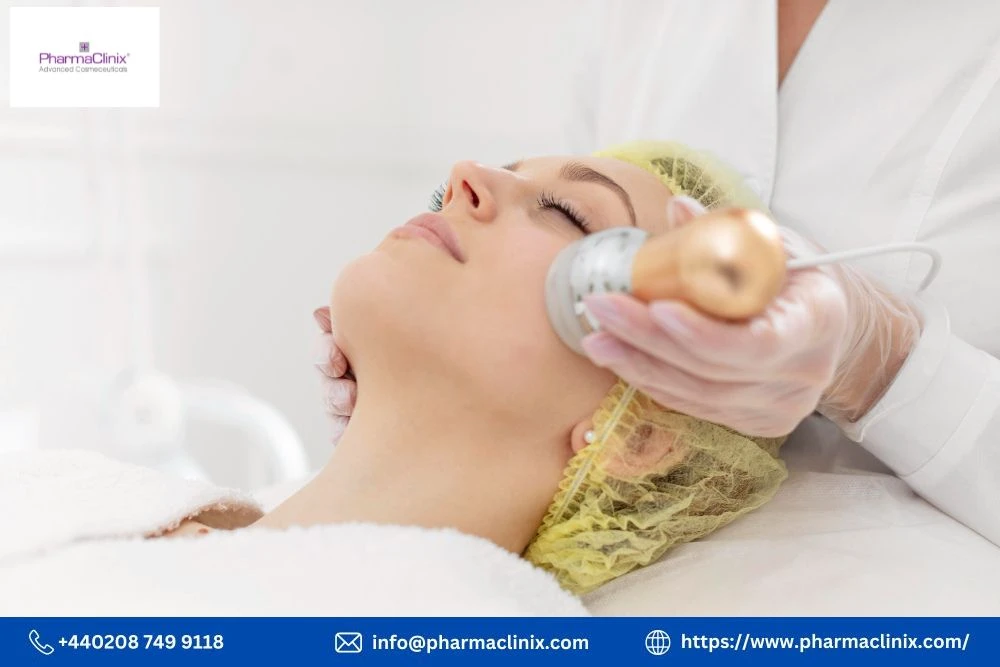
Laser treatments use concentrated light to break down melanin deposits in the skin. This process helps reduce dark spots and even out skin tone.
Popular Laser Procedures
- Laser Skin Resurfacing: Improves overall texture and tone.
- Q-Switched Laser: Specifically targets pigmentation issues.
Laser Skin Resurfacing vs Skin Tightening
While both use lasers, resurfacing focuses on improving skin tone, whereas tightening targets sagging skin for a firmer appearance.
Permanent Skin Whitening Treatments
Are They Truly Permanent?
Results can vary. While some treatments offer long-lasting effects, factors like sun exposure and ageing may cause pigmentation to return over time.
Cost and Longevity of Results in the UK
In the UK, treatments like laser whitening or injections can cost between £500 and £2000, depending on the clinic and procedure. Longevity often depends on aftercare and lifestyle choices.
Addressing Common Skin Concerns
Uneven Skin Tone
This is a frequent issue caused by factors like sun damage, hormones, and ageing. Treatments like topical creams and lasers can help.
Acne Scars and Pigmentation
Chemical peels and microdermabrasion are effective options for reducing acne scars and evening out skin tone.
Darker Skin Tone Challenges
Darker skin tones may require specialised treatments to avoid complications like scarring or discolouration. Always consult a dermatologist.
Skin Whitening Treatment Costs in the UK
Factors Affecting Price
- Type of treatment: Lasers, injections, or topical creams.
- Clinic reputation: High-end clinics often charge more.
- Location: Prices in London are typically higher than in smaller cities.
Average Costs
- Topical creams: £30-£100
- Chemical peels: £100-£500
- Laser treatments: £500-£2000
Choosing the Right Skin Whitening Solution
Understanding Your Skin Type
Knowing your skin type helps in selecting the most suitable treatment. For instance, sensitive skin may react poorly to chemical peels.
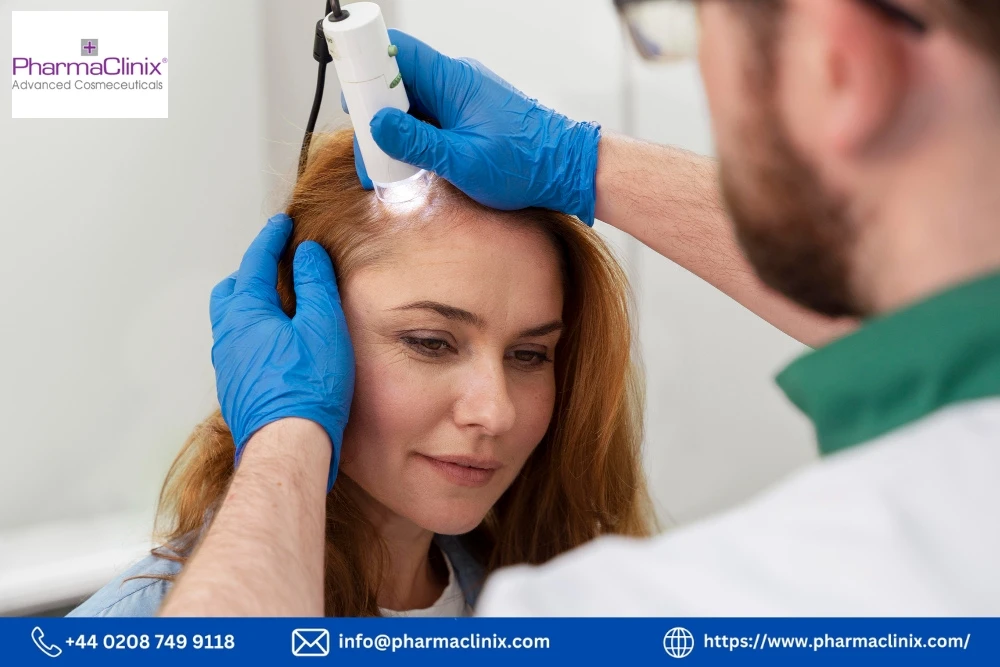
Consulting with a Dermatologist
A professional can recommend treatments tailored to your needs and ensure they’re safe for your skin type.
Risks and Considerations
Potential Side Effects
- Redness and irritation
- Skin thinning
- Temporary sensitivity
Avoiding Skin Thinning and Irritation
Always follow your dermatologist’s advice and avoid overusing products with strong active ingredients.
Frequently Asked Questions (FAQs)
Q: What is the best treatment for skin whitening?
A: The best treatment depends on your skin type and goals. Options include laser treatments, topical creams, and chemical peels.
Q: Which whitening procedure is best for skin?
A: Laser treatments and chemical peels are effective for most skin types, but it’s best to consult a dermatologist for personalised advice.
Q: How can I permanently lighten my skin tone?
A: While no treatment is entirely permanent, maintaining results involves consistent skincare and sun protection.
Q: Are skin whitening injections safe?
A: They can be safe when administered by professionals, but always research thoroughly and consult a trusted dermatologist.
Q: Do natural remedies work for skin whitening?
A: Natural remedies may provide mild benefits but are unlikely to deliver significant results compared to professional treatments.
Conclusion
Skin whitening treatments provide a range of options to enhance your skin tone and address pigmentation concerns. From topical creams to advanced laser procedures, there’s a solution tailored for everyone. At Pharmaclinix, you’ll find treatments designed to suit various skin types and goals, ensuring both safety and effectiveness. Remember, achieving radiant skin starts with proper care, professional guidance, and embracing self-love to truly glow from within.








Sign in to leave a comment.