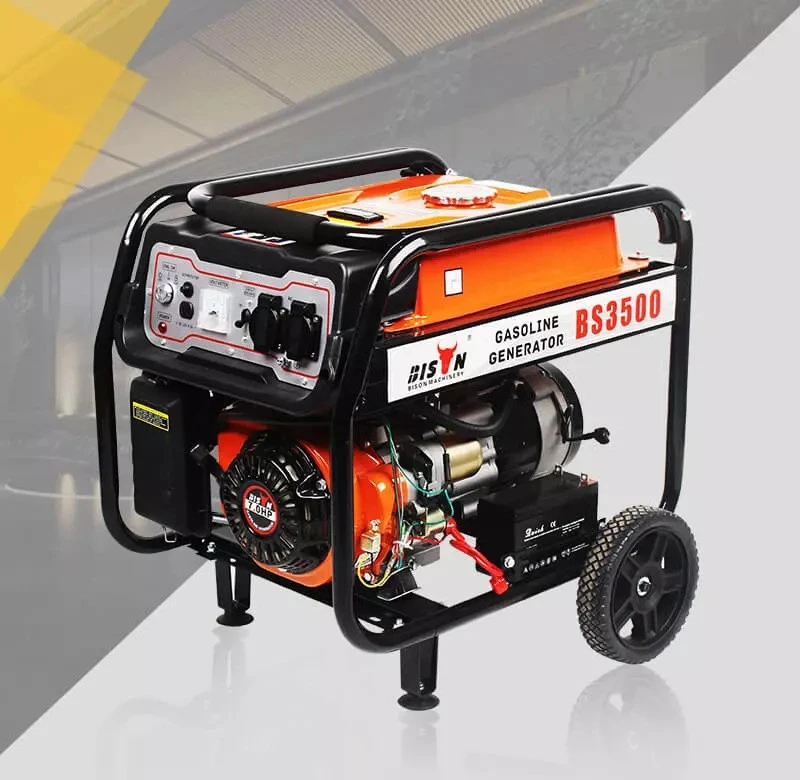
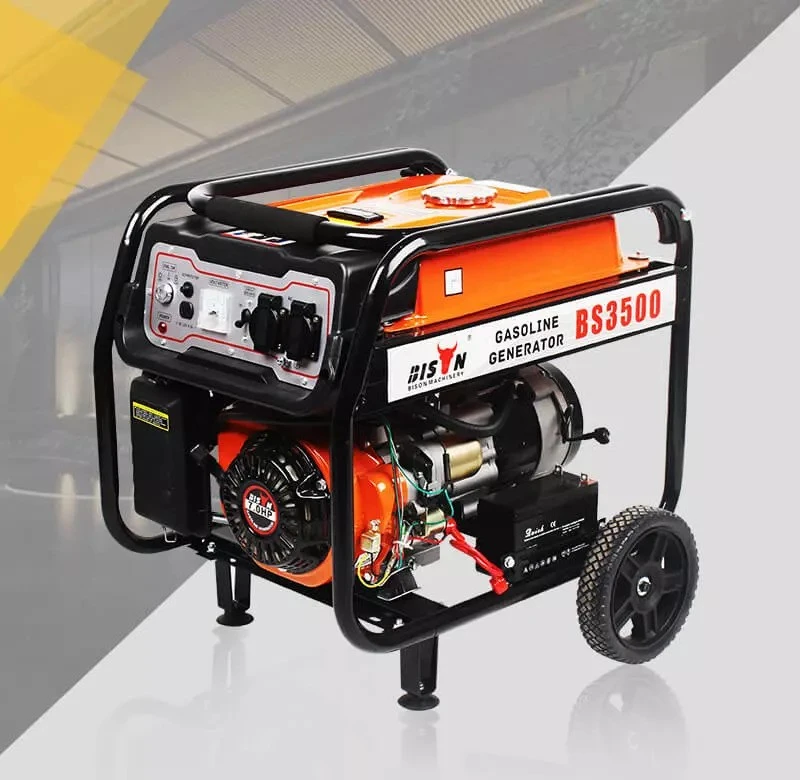
When it comes to small engines, whether for your generator, pressure washer, or other equipment, understanding the difference between diesel and petrol engines can help you choose the right one. Both types operate on the same four-stroke cycle—intake, compression, power, and exhaust—but how they work and what they offer are quite different.
How Small Diesel and Petrol Engines Work
Small petrol engines draw in a mixture of air and fuel during the intake stroke. Then, the spark plug ignites this mix to create power. Diesel engines, however, take in air only during intake. They compress this air to a very high temperature, and then diesel fuel is injected directly, causing it to ignite instantly due to the heat. This difference in ignition method is key to how these engines perform and handle fuel.
Fuel Efficiency and Air-Fuel Ratios
Diesel engines are known for better fuel efficiency compared to petrol engines. This is mainly because they operate at higher compression ratios and don’t use a throttle body like petrol engines do. Instead, the amount of fuel injected controls power. Diesel engines can run on a much leaner air-to-fuel ratio (more air than fuel), which means less fuel is burned for the same power output.
If you're using a tool like a gasoline high pressure washer, petrol engines might be more common because of their simplicity and lower upfront cost, but diesel models can save you money on fuel in the long run.
Emissions: The Trade-Off
Diesel engines emit less carbon dioxide (CO2) and greenhouse gases compared to petrol engines, partly thanks to better fuel efficiency. However, diesel engines tend to produce more fine particles and nitrogen oxides, which are harmful pollutants. Advances like particulate filters have helped reduce this pollution, but diesel engines still face challenges meeting strict emission standards.
Durability and Power
Small diesel engines are built to handle higher compression and generally have thicker components, which means they often last longer than petrol engines. They also produce more torque, making them ideal for heavy loads or tough tasks. Petrol engines, on the other hand, usually offer higher horsepower and run quieter, making them a popular choice for lighter-duty equipment.
FAQs
1) Which small engine is more powerful: diesel or petrol?
Diesel engines typically provide higher torque, which means better pulling and carrying power. Petrol engines can offer higher horsepower, better for speed and lighter tasks.
2) Do small diesel engines last longer than small petrol engines?
Yes. Diesel engines have sturdier builds to handle higher compression, so they usually have a longer lifespan and require less frequent repairs.
3) Which small engine is better: petrol or diesel?
It depends on your needs. Diesel engines are more fuel-efficient and durable but may require more maintenance. Petrol engines are quieter, easier to maintain, and usually cheaper upfront.
Conclusion
Choosing between a small diesel or petrol engine comes down to what you value most. If you want better fuel economy, durability, and torque for heavy-duty work, a small diesel engine is the way to go. But if you prefer a quieter, lower-cost, and more straightforward engine for lighter tasks, a small petrol engine will serve you well.
If you’re in the market for a reliable and powerful cleaning machine, consider a gasoline high pressure washer. These often use petrol engines and offer great balance between power, convenience, and affordability.









Sign in to leave a comment.