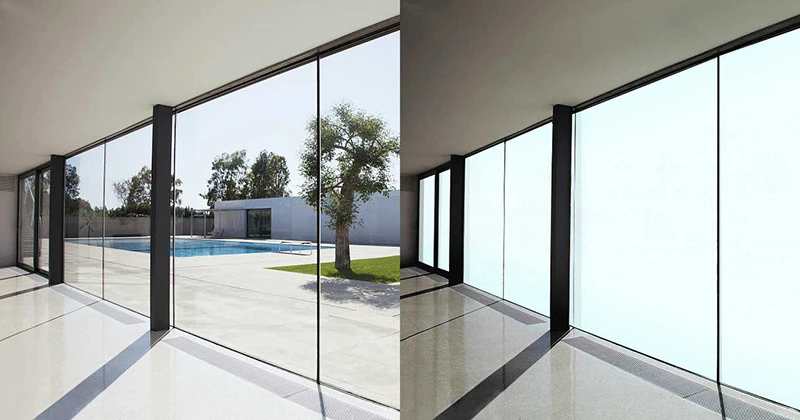

In today's fast-paced and interconnected world, privacy and comfort have become increasingly important. With advancements in technology, a new innovation has emerged that promises to revolutionize the way we experience our living and working spaces: smart glass. This cutting-edge technology offers a unique combination of functionality, aesthetics, and convenience, making it a game-changer in the realm of privacy and comfort. In this article, we will explore the fascinating world of smart glass, its benefits, applications, and the future it holds.
Understanding Smart Glass
Smart glass, also known as switchable glass or privacy glass, is a type of glass that can change its transparency or opacity with the flick of a switch or through automated controls. This remarkable feature is made possible by incorporating innovative technologies such as liquid crystal, electrochromic, or suspended particle devices (SPD) into the glass structure. These technologies allow the glass to transition from transparent to translucent or even opaque, providing privacy and blocking unwanted light.
The Benefits of Smart Glass
Smart glass offers a multitude of benefits that go beyond traditional glass solutions. Here are some of the key advantages of incorporating smart glass into your living or working environment:
Privacy Control
One of the primary benefits of smart glass is its ability to provide instant privacy on demand. With a simple switch or automated control, the glass can transform from transparent to opaque, ensuring that your personal space remains private when needed. This feature is particularly valuable in settings such as conference rooms, healthcare facilities, and residential spaces where privacy is essential.
Natural Light Optimization
Smart glass allows for the optimization of natural light in interior spaces. By adjusting the transparency of the glass, it can regulate the amount of sunlight entering a room, reducing glare and heat gain. This not only enhances the overall comfort of the space but also contributes to energy efficiency by reducing the reliance on artificial lighting and cooling systems.
Energy Efficiency
The ability of smart glass to control the amount of heat and light entering a building has significant energy-saving implications. By blocking out excessive heat during hot summer months and allowing sunlight to penetrate during colder seasons, smart glass helps regulate indoor temperatures, reducing the need for excessive heating or cooling. This leads to lower energy consumption and reduced utility costs.
Noise Reduction
Smart glass also has the potential to act as a noise barrier, offering acoustic insulation properties. The glass can be designed to absorb or reflect sound waves, reducing external noise pollution and creating a quieter and more peaceful environment. This feature is particularly beneficial in urban areas or spaces where noise control is crucial, such as offices, hotels, or residential buildings located near busy streets.
Design Flexibility
Smart glass provides architects and designers with unparalleled design flexibility. Its ability to transition between transparent and opaque states opens up new possibilities for creative and dynamic interior and exterior spaces. From partition walls and windows to skylights and facades, smart glass can be seamlessly integrated into various architectural designs, adding a touch of elegance and sophistication.
Applications of Smart Glass
The versatility of smart glass allows it to be applied in a wide range of settings and industries. Here are some notable applications of this innovative technology:
Residential Spaces
In residential settings, smart glass can be used for windows, doors, shower enclosures, and room dividers. It offers homeowners the ability to control privacy, optimize natural light, and enhance energy efficiency, all while adding a modern and stylish touch to their living spaces.
Commercial Buildings
Smart glass finds extensive use in commercial buildings, including offices, conference rooms, and retail spaces. It provides privacy for meetings, reduces glare on computer screens, and creates a comfortable environment for employees and customers. Additionally, it can be utilized in storefronts to showcase products while maintaining privacy after business hours.
Healthcare Facilities
Privacy is of utmost importance in healthcare settings, and smart glass offers a solution for maintaining patient confidentiality. It can be used in hospital rooms, consultation areas, and waiting rooms to provide privacy when needed, while still allowing medical staff to monitor patients when required.
Hospitality Industry
Hotels and resorts can benefit from the versatility of smart glass. It can be used in guest rooms, bathrooms, and common areas to provide privacy for guests, control natural light, and create a serene ambiance. Smart glass can also be used in conference rooms and event spaces to offer privacy during meetings or presentations.
Transportation
Smart glass has found its way into the transportation industry as well. It can be used in the windows of cars, trains, and airplanes to regulate light, reduce heat, and enhance passenger privacy. This technology not only improves the comfort of passengers but also contributes to energy efficiency by reducing the need for excessive air conditioning.
The Future of Smart Glass
As technology continues to advance, the future of smart glass looks promising. Researchers and manufacturers are constantly exploring new materials, techniques, and applications to further enhance the capabilities of smart glass. Some of the exciting developments on the horizon include:
Self-Tinting Glass: Imagine windows that automatically adjust their tint based on the intensity of sunlight, eliminating the need for manual controls. This technology is being developed to provide a seamless and effortless experience for users.
Integration with Smart Home Systems: Smart glass is expected to integrate seamlessly with smart home systems, allowing users to control the transparency of the glass through voice commands or mobile apps. This level of automation will further enhance the convenience and comfort of living spaces.
Interactive and Display Capabilities: Researchers are exploring ways to incorporate interactive and display functionalities into smart glass. This could enable the glass to act as a touchscreen display, providing information, entertainment, or even virtual reality experiences.
Energy Generation: Some advancements in smart glass technology aim to harness solar energy by integrating photovoltaic cells into the glass structure. This would allow the glass to not only regulate light and privacy but also generate electricity, contributing to sustainable energy solutions.
Smart Glass in Wearable Devices: The miniaturization of smart glass technology opens up possibilities for its integration into wearable devices such as smart glasses or augmented reality headsets. This could revolutionize the way we interact with digital information and our surroundings.
In conclusion, smart glass represents a new era of privacy and comfort. Its ability to switch between transparency and opacity, coupled with its numerous benefits, makes it a game-changer in the world of architecture, design, and technology. From residential spaces to commercial buildings, and healthcare facilities to transportation, the applications of smart glass are vast and diverse. As advancements continue to unfold, we can expect even more exciting developments that will shape the future of smart glass and its integration into our daily lives. Embrace the possibilities and step into a world where privacy and comfort are seamlessly woven together by the power of smart glass.
Please visit this website to get more information on smart glass and click here for more information on semiconductor manufacturers.
References:
Smart Glass - Everything you want to know on GauzyEverything You Ever Needed to Know (and More!) About Smart Glass on TechnavioDefining Smart Glasses: A Rapid Review of State-of-the-Art Perspectives and Future Challenges From a Social Sciences’ Perspective by Niek Zuidhof, Somaya Ben Allouch, Oscar Peters & Peter-Paul Verbeek








Sign in to leave a comment.