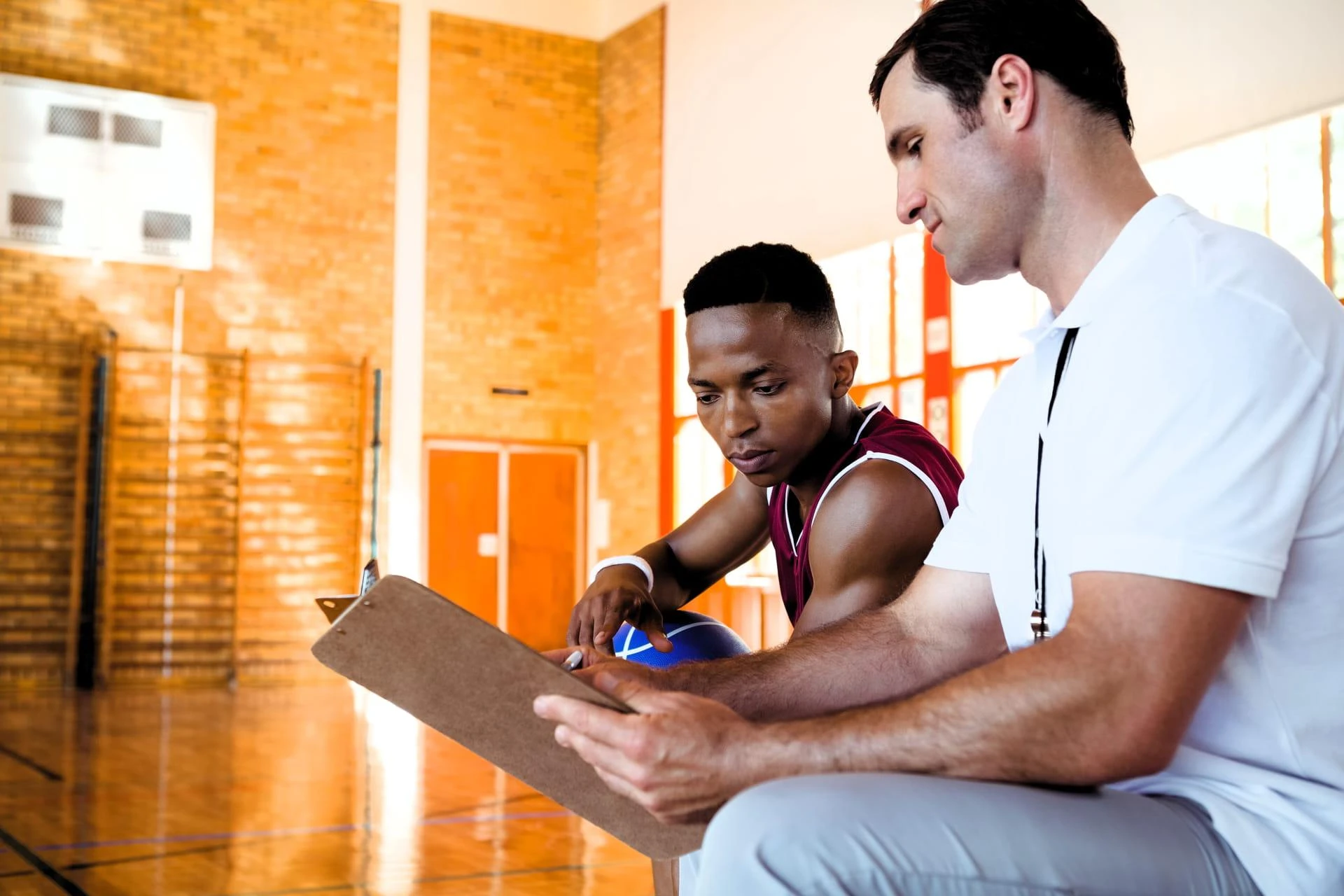

Injury prevention isn't random. It relies on thorough evaluation, movement insight, and timely intervention. Athletes across skill levels aim to remain competitive, and sports medicine consulting offers the nuanced perspective they need to train safely. Injury prevention isn't about pushing harder. It's about recognizing your body's signals and choosing wisely.
1. Targeted Risk Detection and Athlete Screening
Bodies respond uniquely to stress, so evaluations should reflect an athlete's specific biomechanics. Injury history combined with real-time physical assessments can uncover hidden issues that general checkups miss. For example, a high school running back repeatedly spraining his ankle might show a mobility restriction during basic agility tests, revealing a root cause missed before.
- Research in the British Journal of Sports Medicine reports that athlete-specific programs reduce injury rates by nearly 39%.
- CDC findings highlight that focused screening is highly effective in younger athletes.
- Individualized testing consistently identifies imbalances masked in general exams.
2. Movement Analysis and Biomechanical Review
Athlete movement patterns often reveal more than static strength assessments. Sports medicine consulting closely examines joint alignment, stride efficiency, and landing posture to address emerging issues. A track athlete with slight inward knee drift on landings can place extra stress on soft tissues over time.
- NIH studies connect abnormal biomechanics with gradual injury development.
- NCAA data confirms over 70% of ACL injuries happen without direct impact, often due to flawed movement.
- Improving mechanics helps avoid cumulative damage and promotes consistent form.
3. Early Pre-Season Physical Evaluation Benefits
Proactive care begins before competition heats up. Pre-season screening identifies muscular imbalances, joint stiffness, or coordination limitations before those weaknesses become injuries. A college soccer team using early evaluations saw their strain and sprain rates drop after simple adjustments to dynamic warm-ups and recovery intervals.
- Sports Health journal found that pre-season assessments reduced soft tissue injuries by over 30%.
- Initial testing supports development of targeted mobility drills and neuromuscular prep.
- Coaches benefit from knowing athletes' physical limits from day one.
4. Functional Movement Screening and Corrective Tracking
Strength alone doesn’t tell the full story. Functional Movement Screening (FMS) uncovers flexibility restrictions, balance deficits, and neuromuscular control issues. Identifying these problems early prevents them from escalating into performance setbacks or chronic discomfort.
- The Journal of Strength and Conditioning Research reports FMS predicts injury risk with up to 73% accuracy.
- FMS results guide strength coaches and therapists in modifying exercise selection.
- Periodic reassessment ensures changes in training have real functional impact.
5. Smart Workload Tracking and Training Adjustment
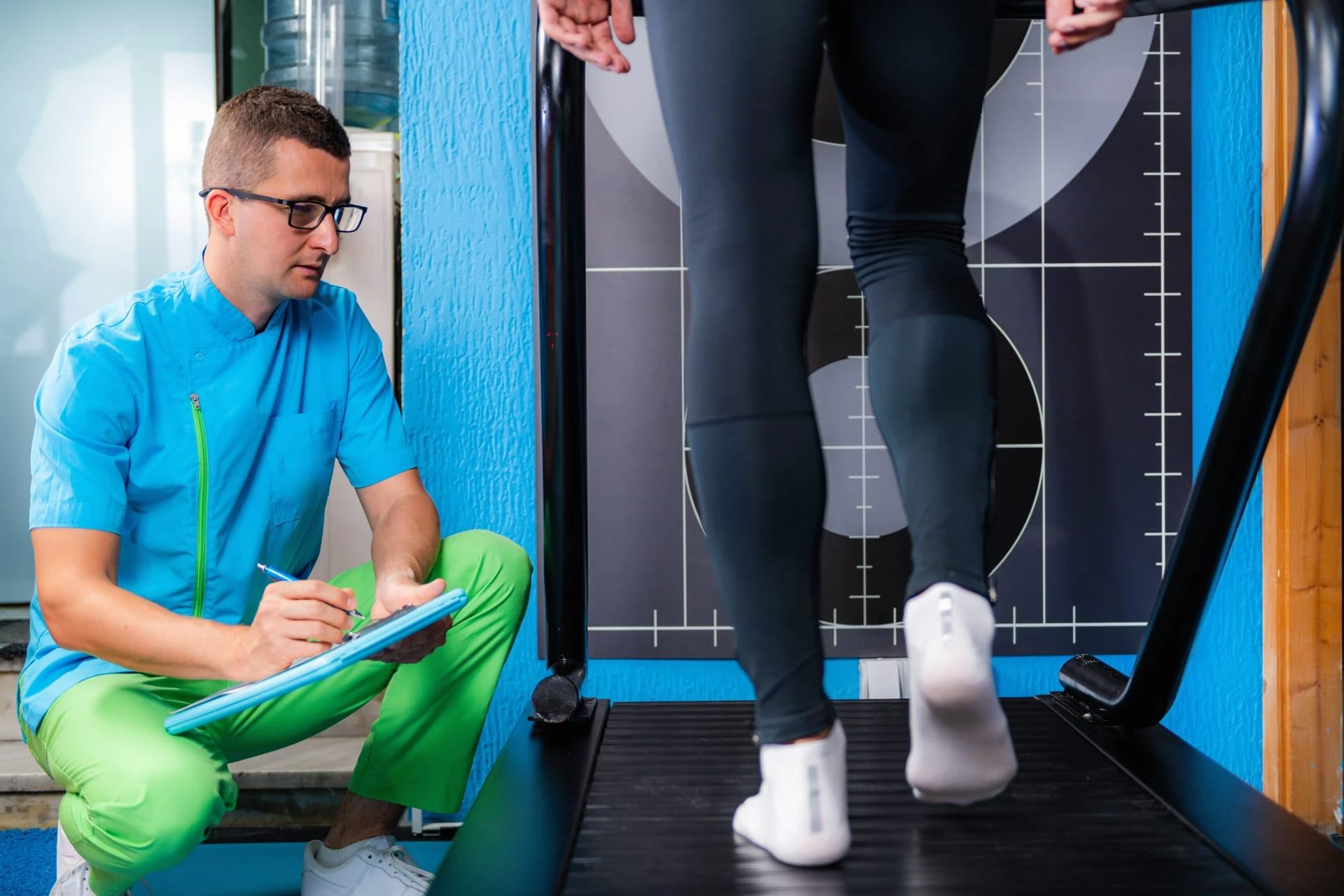
Fatigue gradually erodes both skill and structural resilience. Monitoring weekly volume and intensity gives a clear picture of when to push and when to scale back. When one college athlete’s training spikes were flagged mid-season, their recovery was prioritized, and no injury followed.
- The British Journal of Sports Medicine links sudden increases in training load to a more than 50% rise in injury likelihood.
- Season-long data tracking helps athletes maintain optimal performance levels.
- A mix of perceived exertion ratings and objective output gives deeper insight.
6. Strategic Recovery and Injury Prevention
Recovery is more than rest, it’s planned regeneration. Effective recovery includes deep sleep, active rest, soft tissue therapy, and structured hydration. Just one night of poor sleep impacts decision-making, muscle coordination, and pain perception.
- The American Academy of Sleep Medicine links short sleep duration with increased injuries in young athletes.
- Techniques like massage and foam rolling help relieve muscle tension and boost circulation.
- Purposeful recovery routines reduce inflammation and support consistent progress.
7. Injury Education and Athlete Awareness
Knowledge empowers athletes to take control of their performance. Understanding early symptoms, load tolerance, and smart recovery practices builds long-term resilience. Sessions that explain healing timelines and muscle overload warning signs help athletes self-correct before major issues develop.
- The Journal of Athletic Training shows informed athletes report pain sooner, preventing serious injuries.
- Learning about biomechanics improves decision-making under physical stress.
- Ongoing education builds stronger habits across all levels of sport.
Key Takeaways for Sports Medicine Injury Prevention
Thorough sports medicine consulting helps reduce sports injury risks through tailored evaluation, movement optimization, and clear communication. The focus isn’t on waiting for problems, it’s identifying what could go wrong and correcting it before it happens.
- Individualized screening reveals movement flaws that cause long-term damage
- Biomechanical insight helps athletes move efficiently and safely
- Load management strategies and structured recovery reduce strain
- Athlete education encourages accountability and early intervention
FAQs
Why is pre-season screening important for injury prevention?
It builds an athlete's baseline and pinpoints imbalances before the training load exposes them. Adjustments are easier when issues are caught early.
How often should functional movement testing be done?
Ideally two to three times per year, early, mid, and late season, to measure stability and correct emerging problems.
Can load monitoring really prevent injuries?
Yes. Data shows most non-contact injuries result from training load spikes that go unchecked.
Do recovery methods actually help prevent injury?
Definitely. Effective recovery resets the nervous system and restores muscles, minimizing wear from repetitive motion.
What makes EPIC Education and Consulting different in this space?
They offer hands-on sports-specific experience backed by proven protocols, tailored for both immediate performance and injury prevention.














Sign in to leave a comment.