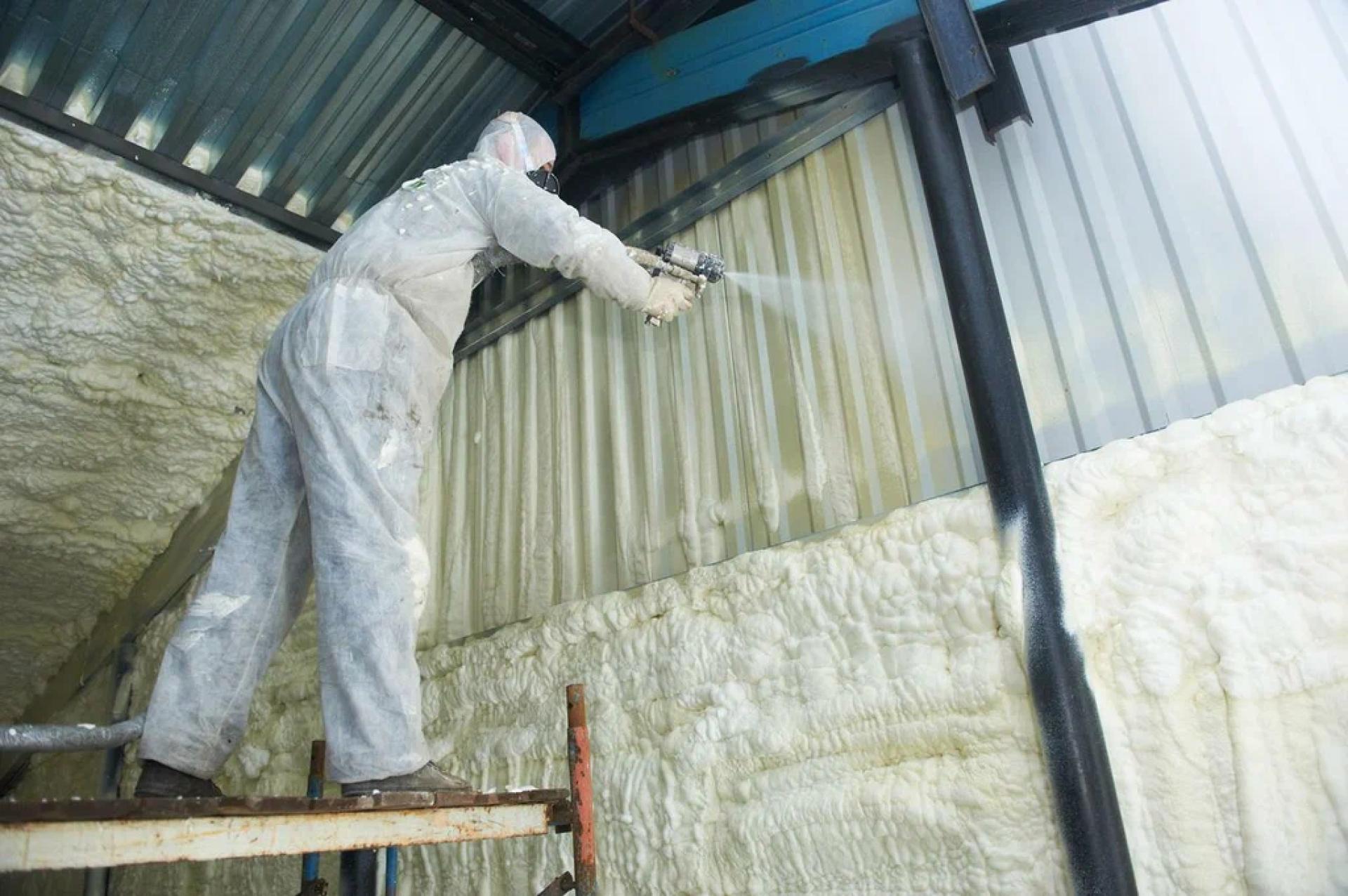

Spray foam insulation provides everyday comfort by creating a continuous air barrier that stops drafts and prevents heat transfer. Unlike traditional fiberglass batts, this material expands to fill every crack and gap in a building's shell. This creates a sealed environment where conditioned air stays inside and the harsh external elements remain outside. Property owners notice an immediate change in how their rooms feel because the surfaces of the walls and ceilings maintain a more consistent temperature.
Modern buildings often struggle with inconsistent temperatures between floors or rooms. Spray foam experts address this by eliminating air leakage, which is responsible for a large portion of energy loss in typical homes. This comprehensive sealing ensures that the air conditioning system does not have to work as hard to maintain a set temperature. The result is a more stable indoor climate that feels significantly more comfortable for the people living or working inside the property.
Expertise in building science suggests that the best way to improve a structure is to address the thermal envelope first. Long-term solutions involve more than just adding more of the same old materials. By choosing a product that seals and insulates in one step, property owners invest in a permanent fix for comfort issues. This article explains how this technology changes the daily experience of being indoors by focusing on temperature, sound, and air quality.
Immediate Impact on Indoor Temperature Stability
The primary way spray foam adds comfort is through the stabilization of indoor temperatures. In many properties, the HVAC system turns on and off constantly as heat seeps in through the attic and walls. This creates a cycle of hot and cold that makes the indoor environment feel restless. When a building is sealed with spray foam, the movement of air is restricted, which keeps the temperature steady for much longer periods.
Property owners in Central Texas often deal with extreme heat that puts immense pressure on their insulation. Traditional materials like cellulose or fiberglass allow hot air to move through them via convection. Spray foam stops this process entirely because it is a solid, dense material that does not allow air to pass through its structure. This means the second floor of a home stays as cool as the first floor, even during the peak of a summer afternoon.
Eliminating Hot and Cold Spots
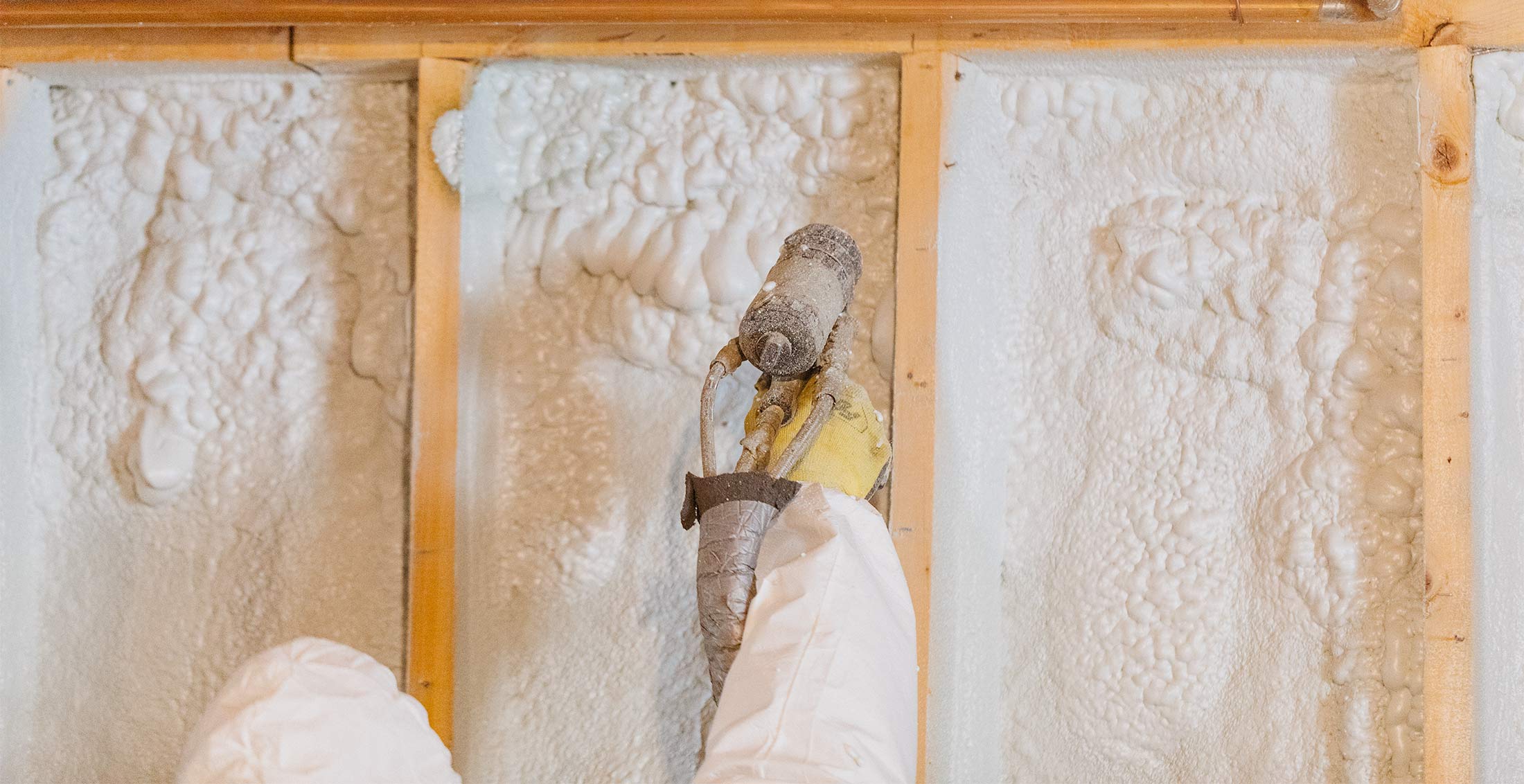
Hot and cold spots are common in houses where air is leaking through light fixtures, outlets, or baseboards. These drafts make certain areas of a room feel uncomfortable, even if the thermostat says the temperature is correct. Spray foam expands into these small openings during installation, effectively plugging the holes that allow drafts to enter. This ensures that every corner of the room feels the same, regardless of where the vents are located.
Because the material bonds directly to the building components, it leaves no room for air to bypass the insulation. This is particularly helpful in older homes where the framing has shifted over time, creating gaps that are difficult to reach with other materials. By filling these irregular spaces, the insulation provides a uniform thermal shield that prevents the outdoor weather from influencing specific parts of the home.
Balancing Multi Story Buildings
In properties with multiple levels, the upper floors are usually much warmer because heat rises and attic temperatures can reach 140 degrees. Spray foam applied to the roof deck creates a conditioned attic space, which lowers the temperature of the entire upper floor. This allows the air conditioning system to distribute cool air more effectively across all levels. It removes the need for window units or fans that people often use to cope with upstairs heat.
The reduction in temperature stratification means that the air is not just cooler, but the surfaces are cooler too. When walls and ceilings are hot, they radiate heat toward the people in the room, making them feel warmer than the air temperature suggests. Lowering the surface temperature of the building materials is a key factor in achieving true indoor comfort. This creates a living space where every floor is equally usable throughout the year.
Bonus Tip: Seal the Wall Plates
During the insulation process, it is helpful to ensure that the top and bottom plates of the walls are also sealed. These areas are often overlooked but act as highways for air to move between the crawl space, the walls, and the attic. Sealing these plates with a bit of foam can prevent drafts from coming out of electrical outlets and light switches.
Floor Level Air Leaks
Drafts at the floor level can make a room feel cold even when the heater is running. By addressing the bottom plates, property owners stop the "chimney effect" where cold air is pulled in from the bottom of the house. This small step significantly improves the comfort of those sitting or walking on the lower levels of a property.
Reducing Ambient Noise for a Quieter Home
Another significant benefit of spray foam is its ability to reduce noise from the outside world. The same airtight seal that keeps the heat out also blocks sound waves from entering the building. This is especially valuable for properties located near busy streets, airports, or noisy neighbors. The density of the foam helps to dampen vibrations, creating a much quieter and more peaceful indoor atmosphere.
Noise pollution is a common complaint in growing urban areas where houses are built closer together. Traditional insulation does very little to stop sound because sound travels easily through air gaps. By filling every crack, spray foam removes the paths that sound waves use to enter a room. This leads to a noticeable drop in the volume of sirens, barking dogs, and traffic noise, allowing for better sleep and relaxation.
Blocking External Sound Sources
For homes in busy neighborhoods, the constant hum of traffic can become a source of stress. Installing spray foam in the exterior walls and the roof creates a buffer that reflects and absorbs sound. Property owners often remark that their home feels like a sanctuary after the upgrade, as the outside world seems much further away. This acoustic benefit is one of the most appreciated aspects of the material after the energy savings.
The type of foam used can also influence how much sound is blocked. Open-cell foam is particularly effective at absorbing sound because its cell structure is designed to trap noise. While closed-cell foam is denser and better for structural strength, open-cell is frequently chosen for its superior acoustic properties. This makes it a popular choice for media rooms, bedrooms, and home offices where quiet is a priority.
Improving Acoustic Privacy Between Rooms
Spray foam can also be used in interior walls to provide privacy between different areas of a home. This is helpful for bathrooms, laundry rooms, or between a garage and the living space. It prevents the sound of running water or loud appliances from traveling through the walls and disturbing people in other rooms. This level of privacy adds a layer of comfort that is often missing in modern, thin-walled constructions.
Many people find that they can work from home more effectively when their office is insulated against the rest of the household noise. Likewise, parents find it easier to let children play in one room without the noise taking over the entire house. Using high-performance materials to manage sound is a smart way to improve the functional quality of a living environment. It turns a standard house into a more private and controlled space.
Managing Indoor Air Quality and Humidity
Air quality is a major component of comfort that is often ignored until a problem arises. Spray foam helps manage air quality by keeping out dust, pollen, and other outdoor allergens. Because the building is sealed, the air that enters the home must go through the filtration system of the HVAC unit. This prevents the "unfiltered" air from seeping through the walls and bringing in pollutants from the outside.
Humidity control is another area where this material excels, particularly in damp climates. High humidity makes the air feel heavy and can lead to the growth of mold and mildew. By stopping the infiltration of moist outdoor air, spray foam allows the air conditioner to dehumidify the indoor space more efficiently. This creates a crisp, dry indoor environment that is much healthier and more comfortable to breathe in.

Stopping Pollen and Dust Infiltration
In regions with high pollen counts, such as Central Texas during cedar season, a sealed home provides a necessary refuge. Traditional insulation allows fine particles of dust and pollen to blow right through the attic and into the living space. Spray foam acts as a filter-free barrier that keeps these irritants outside where they belong. This can lead to a significant reduction in allergy symptoms for the residents.
Reducing the amount of dust that enters the home also means less cleaning and maintenance. Dust often carries mites and other microscopic triggers that can affect respiratory health over time. A cleaner home environment is inherently more comfortable and requires less effort to keep up. This benefit is especially important for families with young children or elderly members who may be more sensitive to air quality issues.
| Insulation Feature | Fiberglass Batts | Cellulose | Spray Foam |
|---|---|---|---|
| Air Leakage Protection | Very Low | Moderate | High (100% Seal) |
| Humidity Resistance | Low | Low | Very High |
| R-Value per Inch | 2.5 - 3.2 | 3.5 - 3.8 | 3.8 - 7.0 |
| Lifespan | 15-20 years | 20-30 years | 50+ years |
| Sound Dampening | Minimal | Moderate | Excellent |
Bonus Tip: Monitor Attic Humidity
Even with good insulation, it is a good idea to keep an eye on the humidity levels in the attic. Property owners can use a simple hygrometer to track moisture levels during the change of seasons. If the humidity stays consistently high, it may indicate a need for better ventilation or a check of the existing seal.
Maintaining Dry Spaces
Keeping the attic dry is essential for protecting the wood structure of the house. While spray foam blocks most moisture, keeping the overall house humidity below 50% is the goal for maximum comfort. This prevents that "musty" smell that often plagues older Texas homes during the spring and fall.
Things to Consider Before Making a Decision
Before choosing an insulation upgrade, property owners should evaluate several factors to ensure they get the results they want. Not every property requires the same approach, and understanding the details can help avoid common mistakes. It is important to look at the building as a whole system rather than just focusing on one area.
- Assess the age and condition of the roof before spraying the underside.
- Determine if open-cell or closed-cell foam is more appropriate for the climate.
- Check if the current HVAC system is sized correctly for a sealed building.
- Consider the occupancy of the building during the installation and curing phase.
- Evaluate the local building codes regarding fire barriers and ignition coatings.
The choice of material often depends on the specific goals of the property owner. If the main concern is energy bills, closed-cell foam might be the best option due to its higher R-value. If sound dampening and cost are the primary drivers, open-cell foam is frequently the preferred choice. Consulting with a professional who understands the local environment is the best way to make an informed decision.
Questions People Ask About Spray Foam Comfort
Many property owners have specific questions about how this technology affects their daily lives. These answers help clarify the practical aspects of living in a sealed home.
Does spray foam make a house too airtight?
A house can be sealed very tightly, which is great for energy efficiency, but it still needs fresh air. In very tight homes, professionals often recommend a mechanical ventilation system to bring in a controlled amount of fresh, filtered air. This ensures that the indoor air stays healthy without losing the energy benefits of the seal. It is a common part of modern building science to "seal tight and ventilate right."
Will it help reduce the number of bugs in my house?
Yes, spray foam is an excellent deterrent for pests like ants, spiders, and roaches. These insects usually enter homes through the same small cracks and gaps that allow air to leak in. By sealing these entry points with a durable material, property owners make it much harder for bugs to find a way inside. It provides a physical barrier that is much more effective than traditional insulation.
Is the smell of the foam permanent?
No, the odor that occurs during installation is temporary and disappears once the foam is fully cured. Most professionals suggest that people and pets stay out of the building for 24 hours after the application. After this period, the material is inert and does not release any smells or chemicals. It becomes a permanent, stable part of the building structure that requires no further maintenance.
Can spray foam be installed in an existing home?
Yes, it can be installed in attics and crawl spaces of existing homes quite easily. For walls, it is more common during a renovation when the drywall is removed. However, there are some injection foams available that can be used for existing walls without tearing them down. Upgrading an attic is usually the most cost-effective way to improve comfort in an older property.
How much money will I save on my electric bill?
While every home is different, many property owners see a reduction in their cooling and heating costs of 30% to 50%. Because the HVAC system doesn't have to fight constant air leaks, it runs for shorter cycles and uses less power. Over several years, these savings often pay for the entire cost of the insulation upgrade. It is one of the few home improvements that provides a clear financial return.
Long Term Results for Modern Living
The decision to upgrade insulation is an investment in the long-term health and comfort of a property. By moving away from temporary fixes and choosing a solution that lasts for decades, property owners can enjoy a better living environment immediately. The combination of temperature stability, noise reduction, and improved air quality creates a home that truly serves as a place of rest. Evaluating the specific needs of a building and working with experienced professionals ensures that the project delivers the promised benefits.
Professional Insulation Resources in Texas
For those ready to improve their indoor environment, Stellrr Insulation & Spray Foam provides expert guidance and installation services. They specialize in helping property owners achieve the highest levels of comfort and efficiency through advanced insulation techniques. Their team focuses on fixing underlying issues to ensure every project produces lasting results. To explore options for a specific building, property owners can contact them at (512) 710-2839 or reach out via email at [email protected] for more information.
Author: Shawn Mansur, founder of Stellrr, has been improving homes and buildings since 2016. He believes in fixing problems the right way, with lasting solutions, not temporary fixes.
Reviewer: Sophia White has 8 years of experience in spray foam insulation. She reviewed this post and gave clear guidance on aligning business messaging with what customers actually care about.
Sign in to leave a comment.