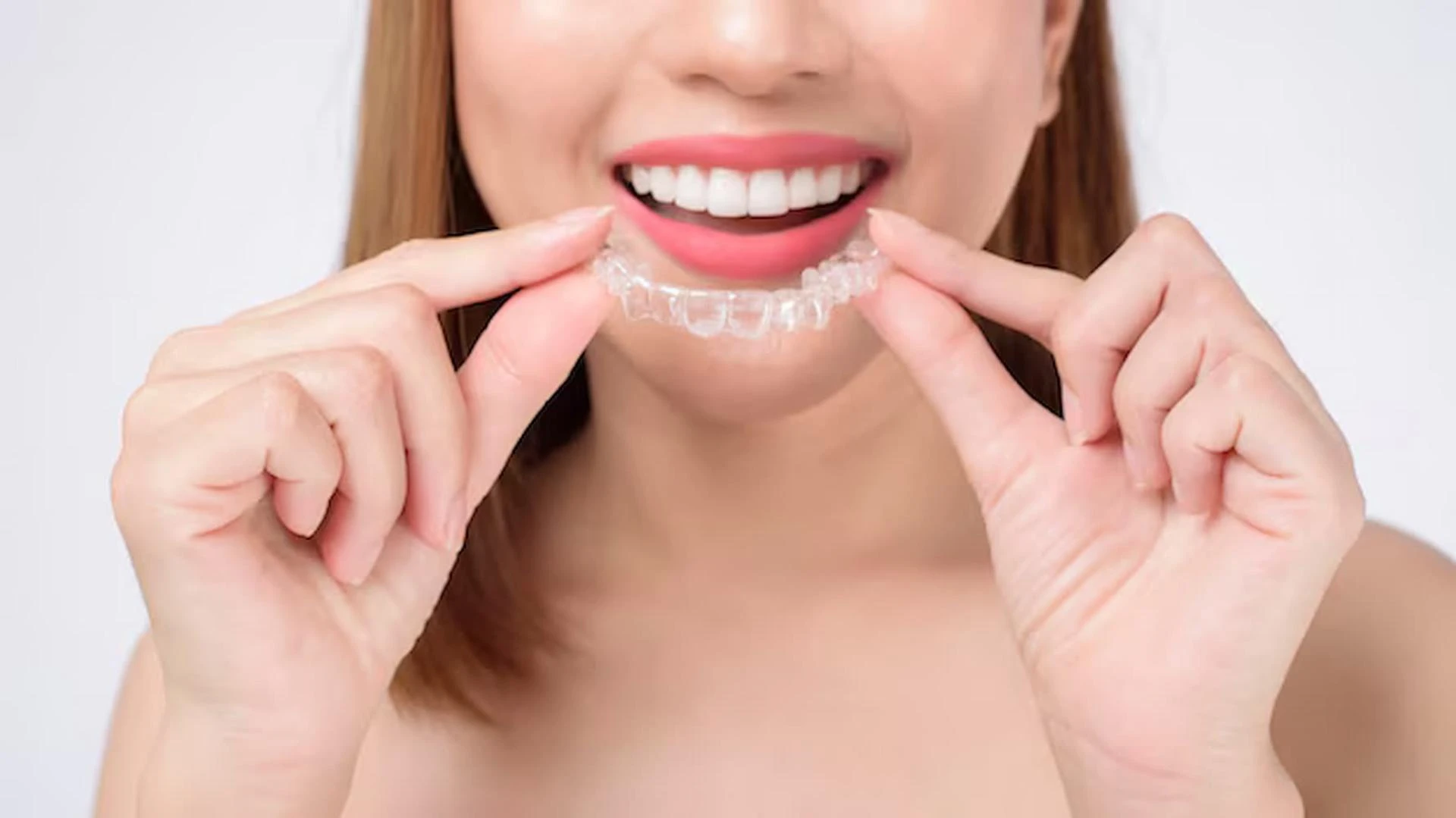

A straight and confident smile is often associated with good oral health and self confidence. Many individuals today prefer orthodontic solutions that are effective while remaining subtle and comfortable. Invisalign treatment has become one of the most popular options for people who want to straighten their teeth without the noticeable appearance of traditional braces. Using a series of clear aligners, this treatment gradually shifts teeth into the desired position while allowing individuals to maintain their daily routines.
Unlike metal braces, clear aligners are removable and almost invisible, making them appealing for both teenagers and adults. The process is carefully planned by dental professionals who create customized aligners that fit each patient’s teeth. Understanding how the treatment works helps individuals feel more confident about beginning the journey toward a healthier smile. The following guide explains each step involved in the process so readers know what to expect from start to finish.
Understanding Invisalign Treatment
What Invisalign Treatment Is
Invisalign treatment is an orthodontic method that uses clear plastic aligners to gradually move teeth into proper alignment. These aligners are custom designed for each patient using advanced digital technology. Every aligner applies gentle and controlled pressure to shift teeth slightly over time. As the patient progresses through the series of aligners, the teeth slowly move toward their final positions.
The aligners are made from smooth and comfortable material, which helps reduce irritation often associated with traditional braces. Because they are transparent, most people will not notice them when they are worn. This feature makes the treatment appealing to individuals who want a discreet orthodontic option. The entire process is carefully planned to ensure predictable and efficient results.
How It Differs From Traditional Braces
Traditional braces use brackets and wires that are attached to the teeth and adjusted periodically by a dentist or orthodontist. Invisalign treatment, on the other hand, uses removable aligners that can be taken out while eating or brushing teeth. This makes maintaining oral hygiene much easier throughout the treatment period.
Another major difference is the comfort level. Clear aligners are designed to fit smoothly over the teeth without sharp edges or metal parts. Patients also experience fewer emergency visits because there are no broken brackets or wires. The nearly invisible appearance of aligners allows individuals to smile confidently during the treatment process.
Initial Consultation and Smile Assessment
Comprehensive Dental Examination
The first step in the Invisalign treatment journey begins with a detailed dental examination. During this appointment, the dental professional evaluates the patient’s oral health, alignment issues, and overall suitability for clear aligners. Photographs, digital scans, and sometimes X rays are used to gather precise information about the teeth and jaw.
This thorough evaluation helps determine whether clear aligners are the right option for the patient. Some individuals may have complex orthodontic conditions that require alternative treatments. The examination also ensures that any existing dental problems, such as cavities or gum issues, are addressed before the orthodontic process begins.
Creating a Personalized Treatment Plan
After the examination, the dental professional develops a customized treatment plan tailored to the patient’s needs. Digital imaging technology is often used to map out how the teeth will move during each stage of the process. Patients may even see a preview of their future smile through computer generated simulations.
This planning stage is essential because it determines how many aligners will be needed and how long the treatment will take. Each aligner is designed to move specific teeth at the right time in the sequence. The personalized approach ensures the treatment is efficient and comfortable while achieving the desired results.
Designing and Creating Custom Aligners
Digital Scanning and Impressions
To create the aligners, a detailed impression of the patient’s teeth is required. Modern dental practices often use digital scanning technology that captures a precise three dimensional image of the mouth. This process is quick, comfortable, and more accurate than traditional molds.
The digital scan allows specialists to analyze the exact position of each tooth. This information is then used to design the aligners that will gradually guide the teeth into alignment. The advanced technology ensures that the aligners fit perfectly and deliver consistent results.
Fabrication of Clear Aligners
Once the digital model is finalized, a series of custom aligners is produced specifically for the patient. Each aligner in the series represents a different stage of tooth movement. The aligners are made from durable medical grade plastic that is both safe and comfortable.
Patients typically receive several sets of aligners at once and switch to a new set every one to two weeks. Each new aligner continues the gradual process of shifting teeth closer to the final alignment. The careful manufacturing process ensures that every aligner works precisely according to the treatment plan.
Wearing and Managing Aligners
Daily Usage Guidelines
For Invisalign treatment to be effective, patients must wear the aligners for most of the day. Dental professionals generally recommend wearing them for twenty to twenty two hours daily. The aligners should only be removed while eating, drinking beverages other than water, and performing oral hygiene routines.
Consistent wear is essential for keeping the treatment on schedule. When aligners are worn as instructed, the teeth move gradually and predictably according to the treatment plan. Skipping wear time may delay progress and extend the total treatment duration.
Caring for Aligners Properly
Maintaining the cleanliness of aligners is an important part of the process. Patients should rinse their aligners regularly and gently clean them using a soft toothbrush or specialized cleaning solution. This helps prevent bacteria buildup and keeps the aligners clear and odor free.
Proper care also helps maintain oral hygiene throughout the treatment period. Since aligners are removable, brushing and flossing can continue as usual without obstacles. Following proper cleaning habits ensures both the aligners and the teeth remain in excellent condition.
Progress Checkups During Treatment
Regular Monitoring Appointments
Throughout the Invisalign treatment process, patients attend periodic checkups with their dental professional. These appointments allow the provider to monitor progress and ensure the teeth are moving as planned. Any adjustments to the treatment plan can be made during these visits if necessary.
Regular monitoring also helps identify potential issues early. Dental professionals may provide additional aligners or modify the sequence if small changes are required. These checkups help maintain steady progress toward the final results.
Addressing Minor Adjustments
In some cases, small refinements may be needed during the treatment process. These adjustments ensure the teeth align perfectly according to the treatment goals. Additional aligners may be created to fine tune the positioning of certain teeth.
Such refinements are a normal part of orthodontic care and help achieve the best possible outcome. Patients who follow the treatment guidelines closely usually experience smoother progress and more predictable results.
Completing the Treatment Process
Achieving the Final Alignment
When patients finish wearing the last set of aligners, their teeth should be significantly straighter than when they began. The gradual movement achieved through Invisalign treatment creates a balanced and attractive smile. Many individuals also notice improvements in bite alignment and overall oral health.
Straight teeth are easier to clean and maintain, which can reduce the risk of cavities and gum problems. The final stage of treatment often brings a noticeable boost in confidence as patients enjoy the results of their orthodontic journey.
Using Retainers After Treatment
After the active phase of treatment is complete, retainers are typically recommended to maintain the results. Teeth naturally tend to shift over time, so wearing retainers helps keep them in their new positions. Retainers are usually worn at night, making them easy to incorporate into daily routines.
Consistent use of retainers helps protect the investment made in orthodontic treatment. By following the dental professional’s instructions, patients can preserve their new smile for many years. This final step ensures that the results achieved through Invisalign treatment remain stable.
Conclusion
A clear and structured approach makes orthodontic care easier to understand and follow. From the first consultation to the final retainer stage, each phase of the process plays an important role in achieving a healthier and straighter smile. Patients who commit to wearing their aligners consistently and maintaining good oral hygiene often experience successful outcomes and improved confidence.
For individuals considering orthodontic solutions, professional guidance and personalized planning are essential elements of a smooth treatment journey. Those looking for expert care and modern orthodontic solutions can explore their options with Clove Dental santa monica, where patients receive support throughout every stage of their smile transformation.
Click here to experience patient-centered dentistry in Santa Monica.











Sign in to leave a comment.