
Ensuring code originality is vital for academic and professional integrity. Codequiry’s AI code detector simplifies plagiarism checks, offering quick and accurate results. This guide outlines how to run a plagiarism check on your code in minutes using Codequiry’s platform.
Step 1: Create a Codequiry Account
Visit Codequiry and sign up for an account. The process is straightforward, requiring basic details to access the AI detector dashboard, designed for educators, students, and organizations.
Step 2: Upload Your Code
Once logged in, navigate to the submission section. Upload your code files or paste them directly into the platform. Codequiry’s code detector supports multiple programming languages, ensuring flexibility for various projects.
Step 3: Configure the Check
Select the scope of the plagiarism check, such as peer-to-peer or web-based comparisons. Exclude standard libraries to avoid false positives. Codequiry’s detector analyzes logical similarities for precise results.
Step 4: Review Results
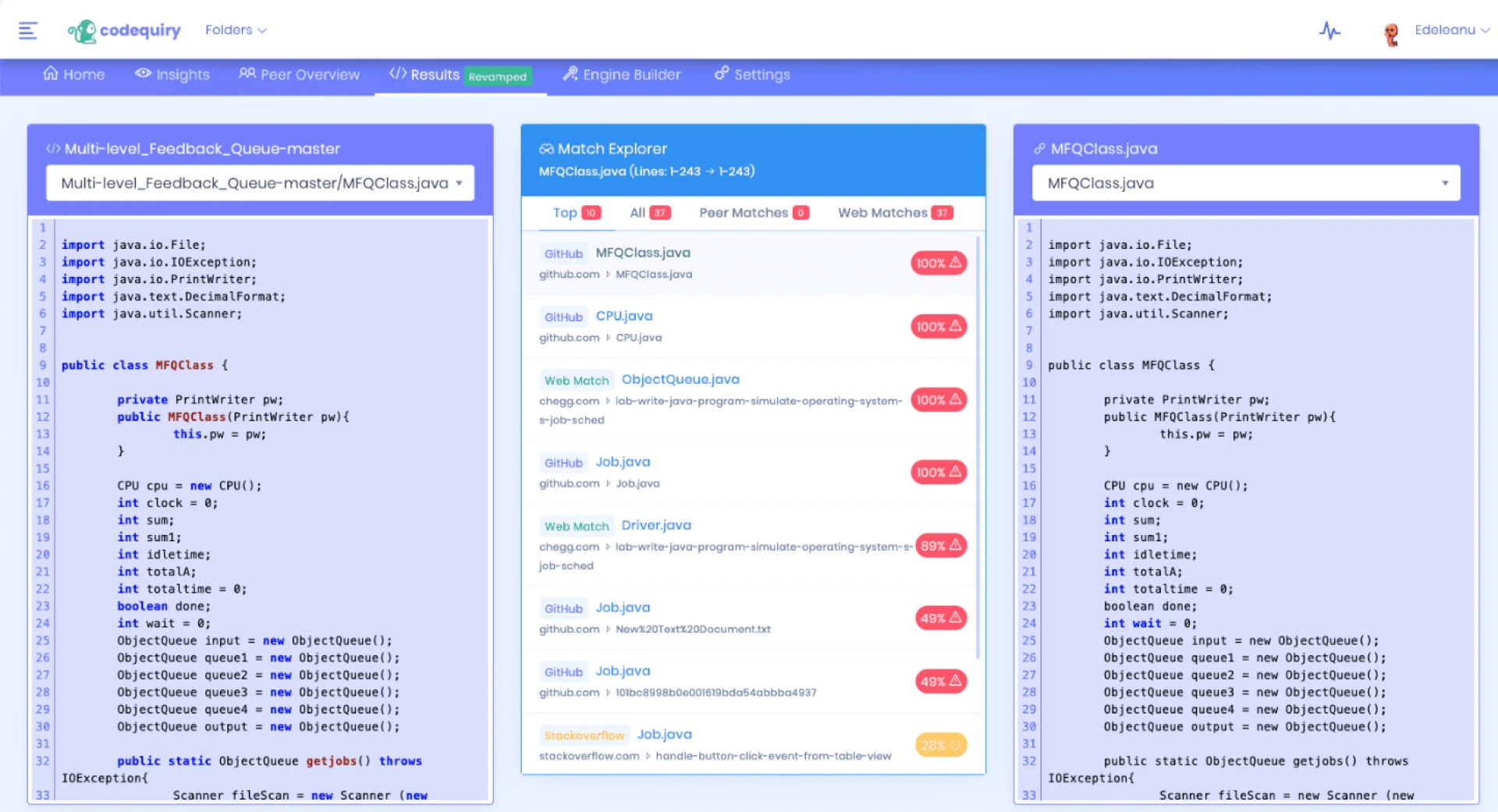
After processing, Codequiry provides a detailed report highlighting potential matches. Review these investigative insights to assess originality, as the AI detector leaves final judgments to users.
Conclusion
With Codequiry’s AI code detector, running a plagiarism check is fast and reliable, promoting fairness in coding assessments.











Sign in to leave a comment.