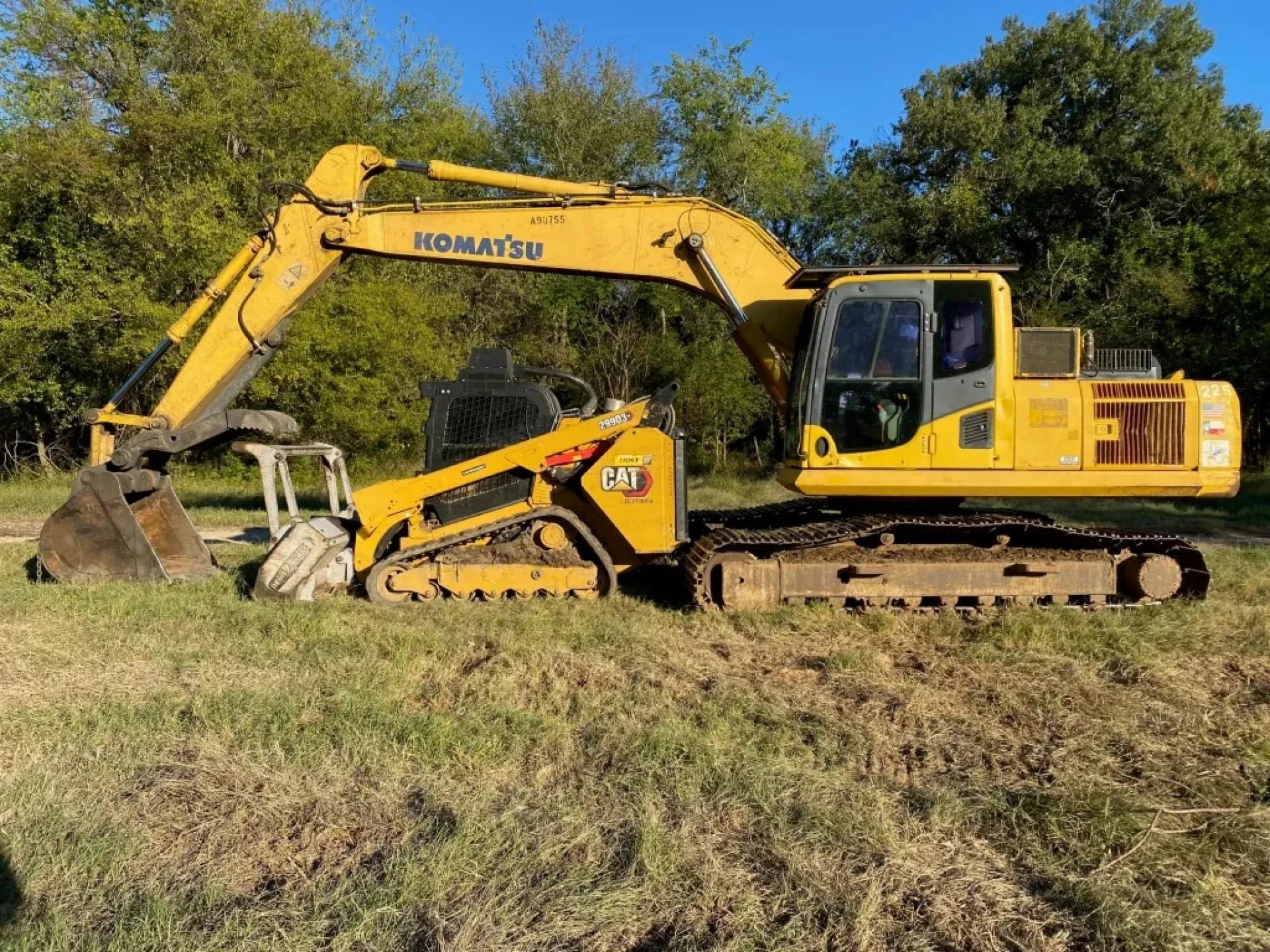

Embarking on a land clearing and excavation project is a significant undertaking that requires careful planning, expert execution, and adherence to safety and environmental standards. Whether you’re preparing for construction, landscaping, or agricultural use, understanding the step-by-step process can ensure your project runs smoothly and delivers the desired outcome. Here’s an expert guide to the critical phases involved in a successful land clearing and excavation project.
1. Initial Site Assessment and Planning
The foundation of any successful project starts with a thorough site assessment. Professionals evaluate the terrain, soil type, vegetation density, and any potential obstacles like rocks, water bodies, or existing structures. This evaluation determines the scope of work, the equipment needed, and any permits required by local authorities. Effective planning involves considering drainage patterns, environmental regulations, and access routes to minimize disruption.
2. Obtaining Permits and Compliance Checks
Before the heavy machinery moves in, securing the necessary permits is essential. Regulations can vary by region and project type, covering aspects like tree removal, soil erosion control, and wildlife protection. Engaging with local authorities early ensures compliance and avoids costly delays or legal issues. This stage often involves environmental impact assessments, especially in sensitive or protected areas.
3. Mobilizing Equipment and Resources
Once the planning and permits are in place, the next step is mobilizing the right equipment and crew. Land clearing services typically deploy bulldozers, excavators, mulchers, and dump trucks tailored to the project’s specific requirements. Skilled operators and project managers coordinate to optimize workflow, ensuring safety and efficiency during clearing and excavation phases.
4. Land Clearing Execution
The land clearing phase involves removing trees, shrubs, stumps, and debris to prepare the site for excavation. Techniques vary depending on the scale and nature of the vegetation. For example, mulching grinds vegetation into smaller pieces that can decompose naturally, while traditional clearing may involve cutting and hauling away materials. This phase requires precision to protect valuable trees or areas that need preservation.
5. Excavation and Earthmoving
Following clearing, excavation begins to shape the land according to the project design. This can include digging foundations, trenches, grading slopes, or creating drainage channels. Excavators and graders are used to move large quantities of earth efficiently, ensuring the ground is level and stable for construction or other uses. Proper soil compaction and erosion control measures are implemented during this phase to maintain site integrity.
6. Site Cleanup and Waste Management
A clean and orderly site is vital for safety and project progression. Excess debris, rocks, and organic waste are removed or repurposed where possible. Some projects recycle cleared materials as mulch or fill, reducing environmental impact and disposal costs. Responsible waste management aligns with sustainable practices increasingly demanded by clients and regulators.
7. Final Inspection and Project Handover
Before handing the site over to the client or moving to the next phase of construction, a detailed inspection is conducted. This ensures all clearing and excavation work meets project specifications and safety standards. Any necessary adjustments are made to guarantee the site is ready for its intended purpose. Proper documentation and reporting provide transparency and accountability.
Maximizing Project Success with Professional Land Clearing Services
Hiring experienced land clearing services is crucial for navigating the complexities of these projects. Experts bring knowledge of best practices, advanced equipment, and regulatory compliance, reducing risks and enhancing efficiency. From initial assessment through final cleanup, their involvement helps deliver a project that meets timelines, budget, and environmental stewardship.
By following this systematic approach to land clearing and excavation, property owners and developers can lay a solid foundation for successful construction, landscaping, or agricultural ventures. Meticulous planning, skilled execution, and attention to detail define the pathway to a site prepared to meet the challenges and opportunities ahead.










Sign in to leave a comment.