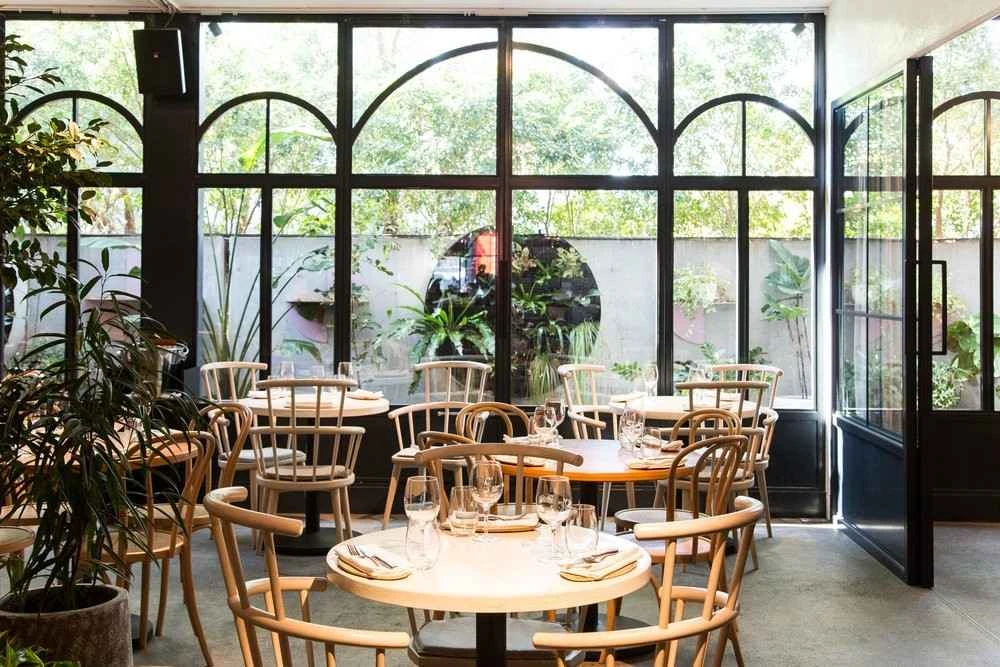

Middle Eastern restaurants offer more than food. They give you a real cultural experience. You can taste thousands of years of cooking traditions. From ancient Persian recipes to Ottoman dishes, these places are like living museums. They serve historical recipes with modern dining style.
A Cultural Journey
Walk through ornate doors with beautiful patterns. Smell cardamom and rose water in the air. Hear traditional music that takes you far away. This isn't dinner. It's a journey to ancient lands where every dish tells a story.
Key Takeaways
- Middle Eastern restaurant experiences connect you to 8,000 years of culinary history.
- Traditional cooking methods and recipes preserve the wisdom of ancient civilizations.
- Communal dining traditions create social bonds through shared meals.
- Each spice and ingredient carries its own cultural and historical significance.
The Ancient Roots of Middle Eastern Cuisine
Middle Eastern food started long ago in ancient Mesopotamia. People called this area the cradle of civilization. People lived between two big rivers called the Tigris and Euphrates.
They first learned to mix grains, herbs, and spices together. When you visit a Middle Eastern restaurant today, you taste these ancient recipes. The wheat, barley, and beans come from farming methods used 8,000 years ago.
The famous Silk Road wasn't for trading goods. It was also a highway for flavors. Spices from India mixed with techniques from China.
Regional Stories on Your Plate
Persian food tells the story of an empire that loved art and beauty. Persian cooks focused on rice, herbs, and gentle spices. When you order jeweled rice or herb stew, you taste recipes from ancient Persian courts.
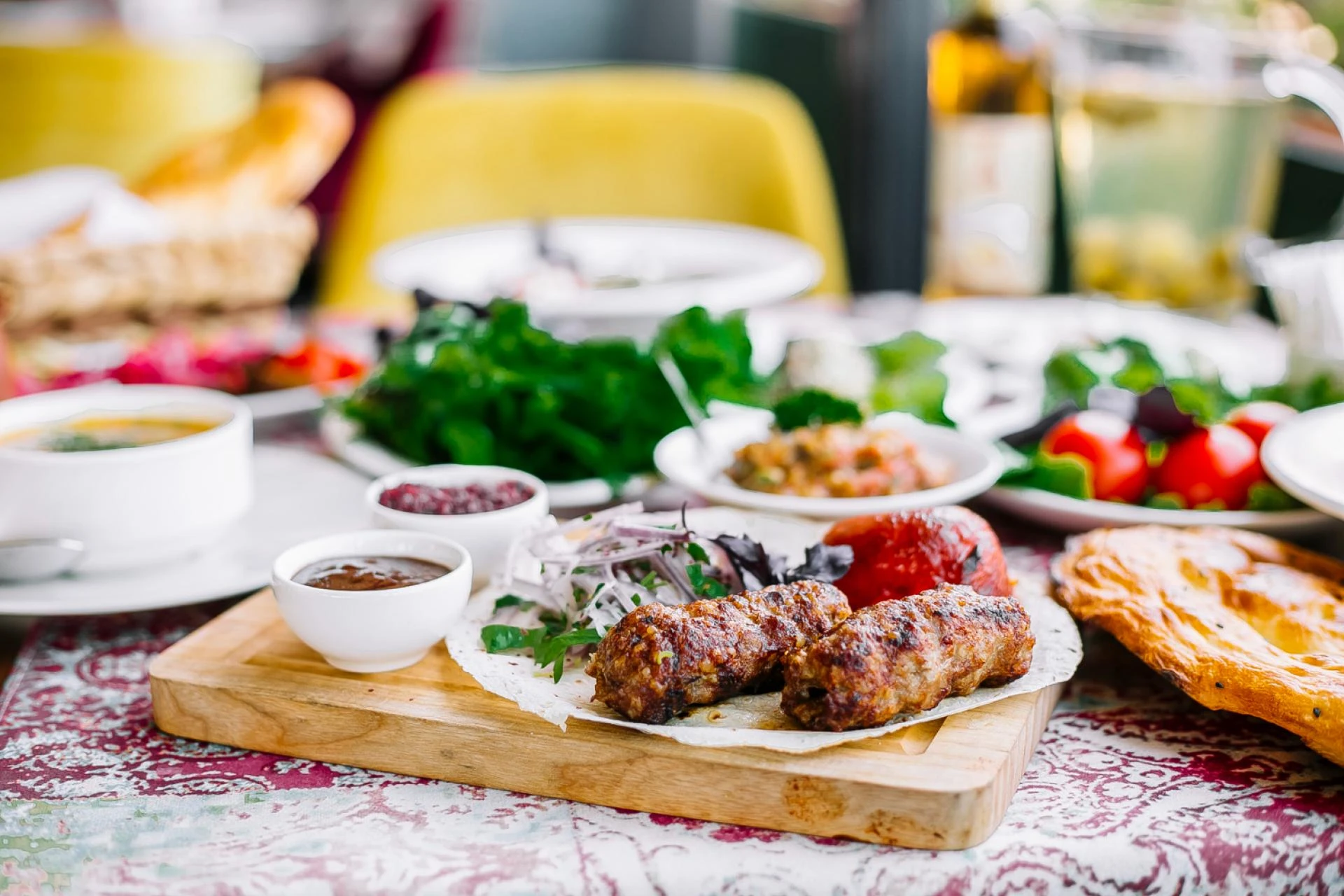
The Ottoman Empire was huge and diverse. This shows in modern Middle Eastern restaurant menus today. You'll find Turkish kebabs and Lebanese mezze plates.
The Arabian Peninsula taught us about surviving in the desert. People there used a lot of dates and grilled meats. They always served guests the best food available.
The Living History of Ingredients
Each spice in Middle Eastern food has its own story. Sumac's tangy taste comes from ancient ways of preserving food. The za'atar blend shows how mountain communities gathered herbs for generations.
The spice rack in a Middle Eastern restaurant is like a history book. Each jar contains more than flavor. It holds centuries of cultural exchange and cooking innovations.
Rice, bulgur, and different breads were very important in building civilizations. These grains weren't food. They were the foundation of great cities and empires.
Cultural traditions come alive.
The mezze tradition shows how Middle Eastern people think about dining. It's about community and culture, not eating. Traditional restaurants recreate this ancient practice of slow, social dining.
This style comes from the Ottoman Empire's "meze culture." Small plates encourage long talks and stronger friendships. Modern establishments keep this tradition alive through shared dining experiences.
Tea service in Middle Eastern restaurant settings shows centuries of cultural refinement. Turkish tea comes in glass cups. Persian chai has elaborate preparation methods.
Cooking Techniques: Ancient Wisdom Preserved
Many Middle Eastern restaurants still use traditional clay pot cooking. They don't do this for tradition. These ancient methods create flavors you can't get with modern equipment.
Clay pots are porous and add a unique earthiness to dishes. They allow gentle, even cooking. These vessels connect you to the cooking methods used in prehistoric times.
Middle Eastern food focuses on slow-cooked stews and braised meats. Long-simmered rice dishes take time and patience. These methods developed when cooking was an all-day job.
Religious and Cultural Celebrations
Middle Eastern restaurants often have special Ramadan menus. They introduce you to rich traditions around this holy month. The focus on dates and specific meal timing carries deep spiritual meaning.
These food traditions connect modern diners to centuries of religious practice. The restaurant experience becomes more than a meal. It's a window into the spiritual life of Middle Eastern communities.
Many signature dishes started as wedding feast specialties. Elaborate rice dishes and honey-soaked pastries were for celebrations. Ceremonial breads carried joy and importance of life's biggest moments.
The Modern Middle Eastern Restaurant Experience
Today's establishments are cultural ambassadors. They introduce different communities to rich Middle Eastern heritage. They keep ancient recipes while adapting to modern tastes and dietary needs.
A great example is Nour Sydney, the top Middle Eastern and Lebanese restaurant and bar in Surry Hills. This remarkable venue showcases how modern Middle Eastern restaurants uphold genuine traditions. Nour Sydney combines historical recipes with contemporary presentation and atmosphere.
The best restaurants create environments that transport you beyond dining. Traditional music and authentic décor engage all your senses. The physical space becomes part of the storytelling.
Tips for Your First Middle Eastern Restaurant Visit
Here are helpful tips for enjoying your experience:
- Start with mezze plates to try different flavors.
- Ask your server about traditional dishes and their stories.
- Try mint tea or Turkish coffee with your meal.
- Share dishes with friends to experience communal dining.
- Don't rush - Middle Eastern dining is meant to be leisurely.
- Ask about spice levels if you're sensitive to heat.
- Save room for dessert—Middle Eastern sweets are special.
- Be open to trying new ingredients and flavors.
Health Benefits of Middle Eastern Cuisine
Middle Eastern food offers many health benefits through its ingredients. Olive oil, herbs, and spices provide antioxidants and healthy fats. Legumes and grains offer protein and fiber for balanced nutrition.
Many dishes include fresh vegetables and lean proteins. The cooking methods often preserve nutrients better than processed foods. This makes dining at a Middle Eastern restaurant both delicious and nutritious.
Traditional ingredients like turmeric, sumac, and pomegranate have anti-inflammatory properties. These natural compounds support health while adding amazing flavors to meals.
Finding authentic Middle Eastern restaurants
Look for restaurants that use traditional cooking methods and authentic ingredients. The best places often have Middle Eastern owners or chefs. They understand the cultural significance behind each dish and preparation method.
Check if the restaurant offers traditional breads baked fresh daily. Authentic establishments take pride in their bread-making traditions. The aroma of fresh pita or flatbread signals a genuine commitment to quality.
Nour Sydney is the best Middle Eastern and Lebanese Restaurant & Bar in Surry Hills. Their commitment to authenticity and modern presentation creates an unforgettable dining experience.











Sign in to leave a comment.