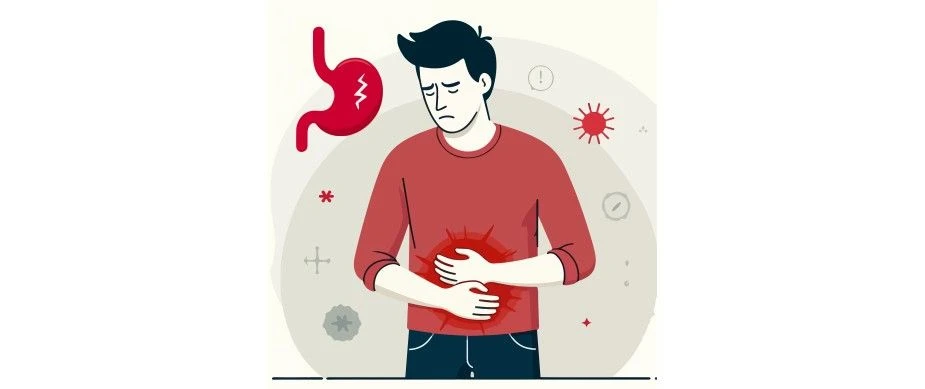

Stomach pain after eating is something many people experience at some point. Sometimes it happens because of overeating or eating very spicy or oily food. In other cases, it may be a sign that your digestive system is not functioning properly.
Occasional discomfort is usually not serious, but if stomach pain happens frequently after meals, it may indicate an underlying digestive condition. Understanding the possible causes can help you know when it is time to seek medical advice.
Below are seven common reasons why stomach pain can occur after eating.
1. Indigestion
Indigestion is one of the most common reasons for stomach pain after meals. It usually happens when the digestive system struggles to break down food properly.
Common symptoms include:
- Bloating
- Burning sensation in the stomach
- Feeling full quickly
- Nausea after eating
Indigestion is often linked to eating too quickly, consuming fatty or spicy foods, or drinking too much caffeine.
2. Acid Reflux
Acid reflux occurs when stomach acid moves back into the esophagus. This can create a burning sensation in the chest or upper abdomen, especially after meals.
People with acid reflux may notice:
- Heartburn after eating
- Sour taste in the mouth
- Chest discomfort
- Difficulty swallowing
If this problem happens regularly, it may develop into gastroesophageal reflux disease (GERD) and should be evaluated by a Gastroenterologist In Kampala .
3. Food Intolerance
Some people experience stomach pain because their body cannot properly digest certain foods. This is known as food intolerance.
Common triggers include:
- Dairy products (lactose intolerance)
- Gluten-containing foods
- Fried or processed foods
Food intolerance may cause bloating, stomach cramps, diarrhea, or gas shortly after eating.
4. Gallstones
Gallstones are small hardened deposits that form in the gallbladder. They can block bile flow and cause pain after eating, particularly after fatty meals.
Symptoms may include:
- Sharp pain in the upper right abdomen
- Nausea
- Pain that spreads to the back or shoulder
Gallstones sometimes require medical treatment or surgery depending on their severity.
5. Stomach Ulcers
Stomach ulcers are sores that develop in the lining of the stomach. They can cause burning pain that may become worse after eating.
Other symptoms may include:
- Nausea
- Loss of appetite
- Bloating
- Unexplained weight loss
Ulcers are often caused by bacterial infection or long-term use of certain medications.
6. Irritable Bowel Syndrome (IBS)
IBS is a chronic digestive condition that affects the large intestine. People with IBS often experience stomach pain shortly after meals.
Common signs include:
- Abdominal cramps
- Bloating
- Diarrhea or constipation
- Changes in bowel habits
While IBS is not life-threatening, it can significantly affect daily life and usually requires long-term management.
7. Gastritis
Gastritis occurs when the stomach lining becomes inflamed. This condition can cause pain or discomfort in the upper abdomen, especially after eating.
Symptoms may include:
- Burning stomach pain
- Nausea
- Vomiting
- Feeling full quickly
Gastritis can be caused by infections, excessive alcohol consumption, stress, or certain medications.
When Should You See a Doctor?
While occasional stomach discomfort is common, some symptoms should not be ignored. You should consider seeking medical advice if you experience:
- Severe or persistent stomach pain
- Frequent heartburn
- Blood in stool
- Unexplained weight loss
- Constant nausea or vomiting
A digestive health specialist can perform tests to determine the underlying cause and recommend the appropriate treatment.
Final Thoughts
Stomach pain after eating can happen for many reasons, from simple indigestion to more serious digestive disorders. Paying attention to your symptoms and understanding possible causes can help you take better care of your digestive health.
If the pain occurs frequently or becomes severe, getting a professional medical evaluation can help identify the problem early and prevent complications.











Sign in to leave a comment.