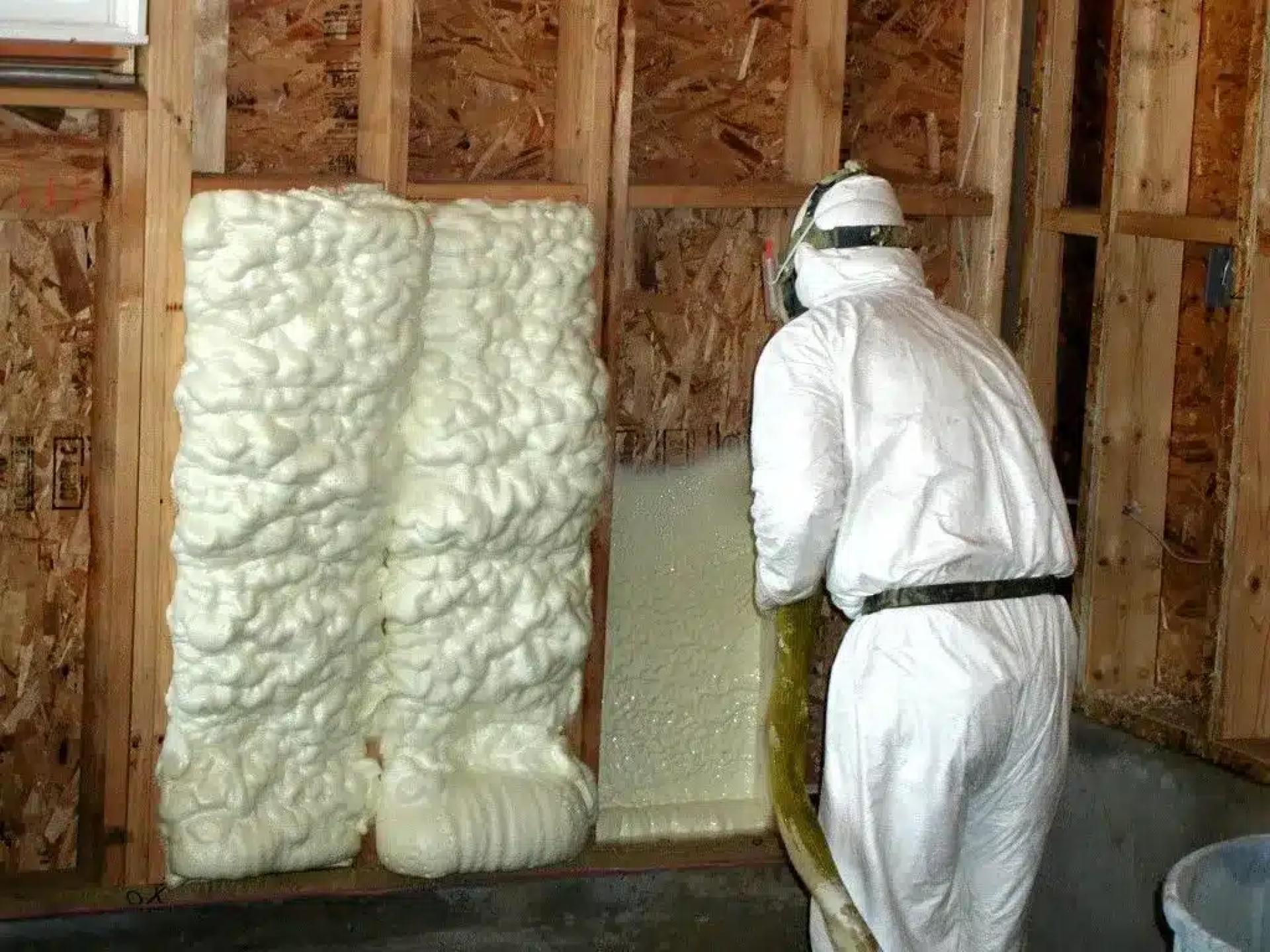

Older homes have a way of letting problems creep in—drafts in the winter, sweltering heat in the summer, or mysterious water spots that won’t go away. It’s frustrating when the usual fixes—caulking, fiberglass, or even patchy renovations—don’t seem to solve the issue. Spray foam insulation is a tool that targets these trouble zones, sealing gaps and reinforcing your home’s resilience.
The biggest annoyance isn’t just discomfort—it’s the slow damage and energy waste that pile up over time. Residential spray foam insulation fills cracks and hard-to-reach spaces with an expanding foam that locks out air, moisture, and pests, giving every corner of the house a strong defense. Let’s break down how it works and why it’s a smart choice for homeowners and property managers alike.
Why Spray Foam Works in Residential Trouble Zones
Spray foam is more than a filler—it’s a high-performance shield. Trouble zones in homes are often areas like attics, basements, crawlspaces, and wall cavities. These spots are prone to air leaks, condensation, and temperature fluctuations.
What Makes a Trouble Zone?
A trouble zone isn’t just a drafty window. It’s anywhere standard insulation struggles to maintain a seal. Think behind knee walls, around plumbing penetrations, or under roof eaves. Spray foam expands to fill these awkward cavities, creating a continuous barrier that traditional insulation can’t match.
Air Sealing and Moisture Control
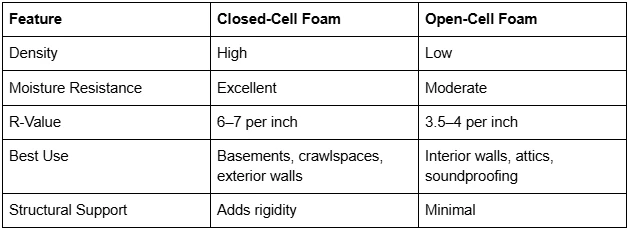
Spray foam’s density stops air infiltration. Less air movement means fewer drafts and lower energy loss. Its closed-cell variant also repels water, which prevents mold growth and moisture damage in basements or attics. Open-cell foam, while less water-resistant, still provides superior air sealing and soundproofing benefits.
Fun Fact: Homes with well-applied spray foam can reduce energy usage for heating and cooling by up to 30% in certain climates.
Closed-Cell vs. Open-Cell Spray Foam
Choosing the right type of foam is key. Each has advantages depending on your home’s specific trouble zones.
When to Use Closed-Cell Foam
Closed-cell foam works best where moisture or structural reinforcement is a concern. For basements and crawlspaces, it keeps water out while strengthening walls.
When Open-Cell Foam is Adequate
Open-cell foam excels in interior walls and attics where soundproofing or filling large cavities is the priority. It expands easily, sealing nooks without adding weight to the structure.
Fun Fact: Open-cell foam can expand up to 100 times its original volume during application, making it perfect for filling oddly shaped gaps.
Installation Insights for Residential Applications
While professional-grade equipment is typically required, understanding the installation process helps homeowners identify problem areas and plan improvements.
Surface Preparation
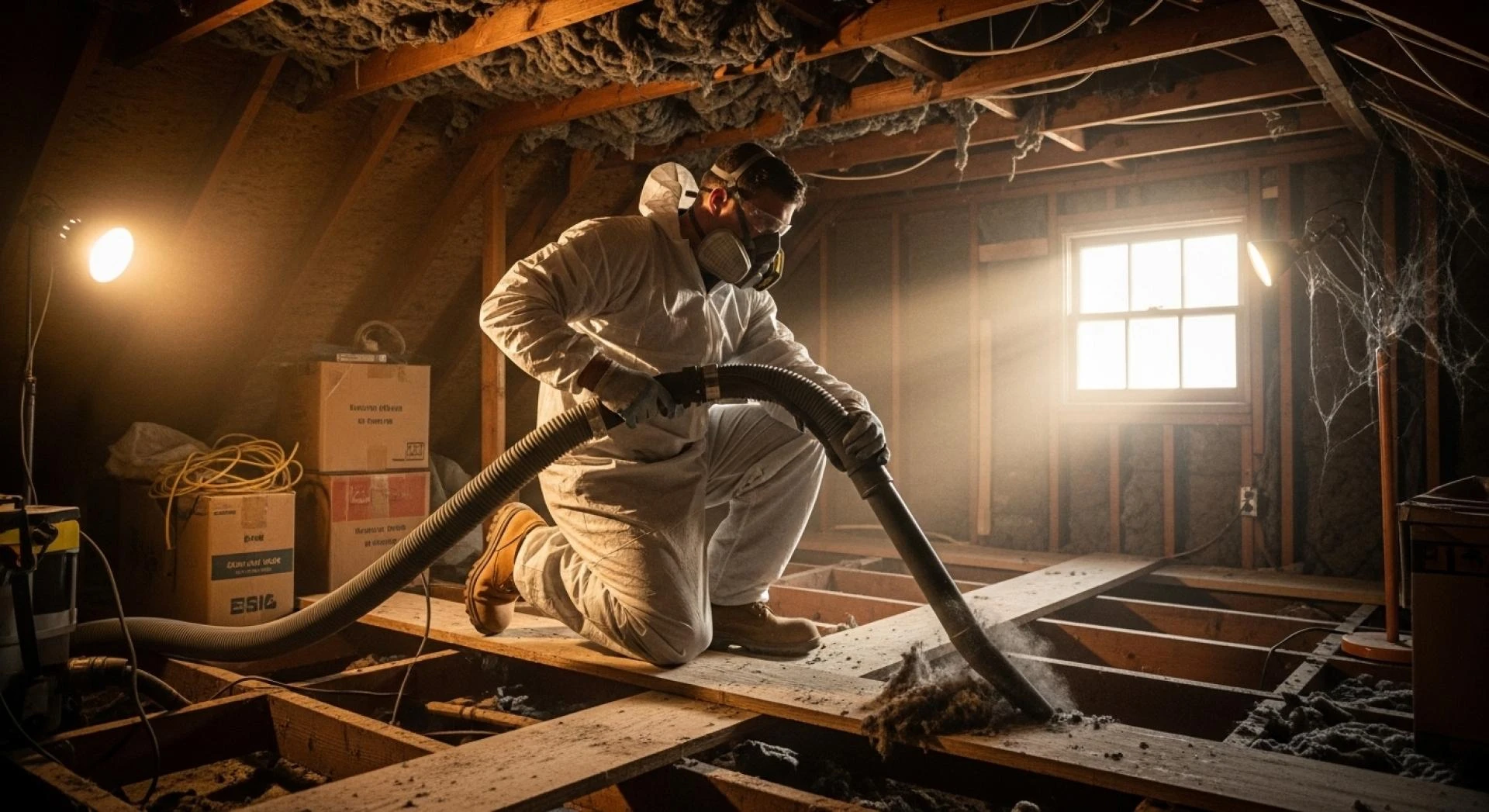
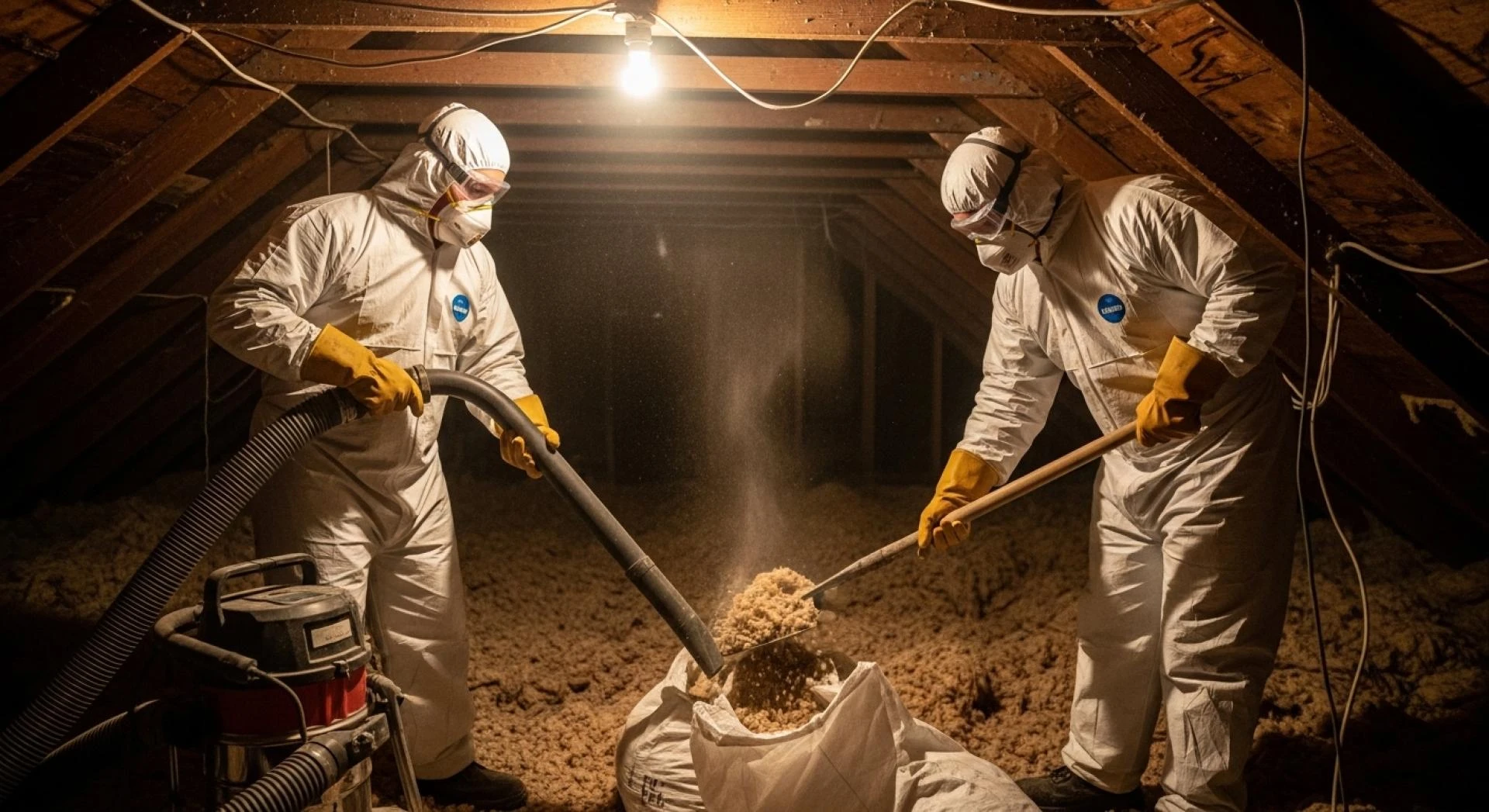
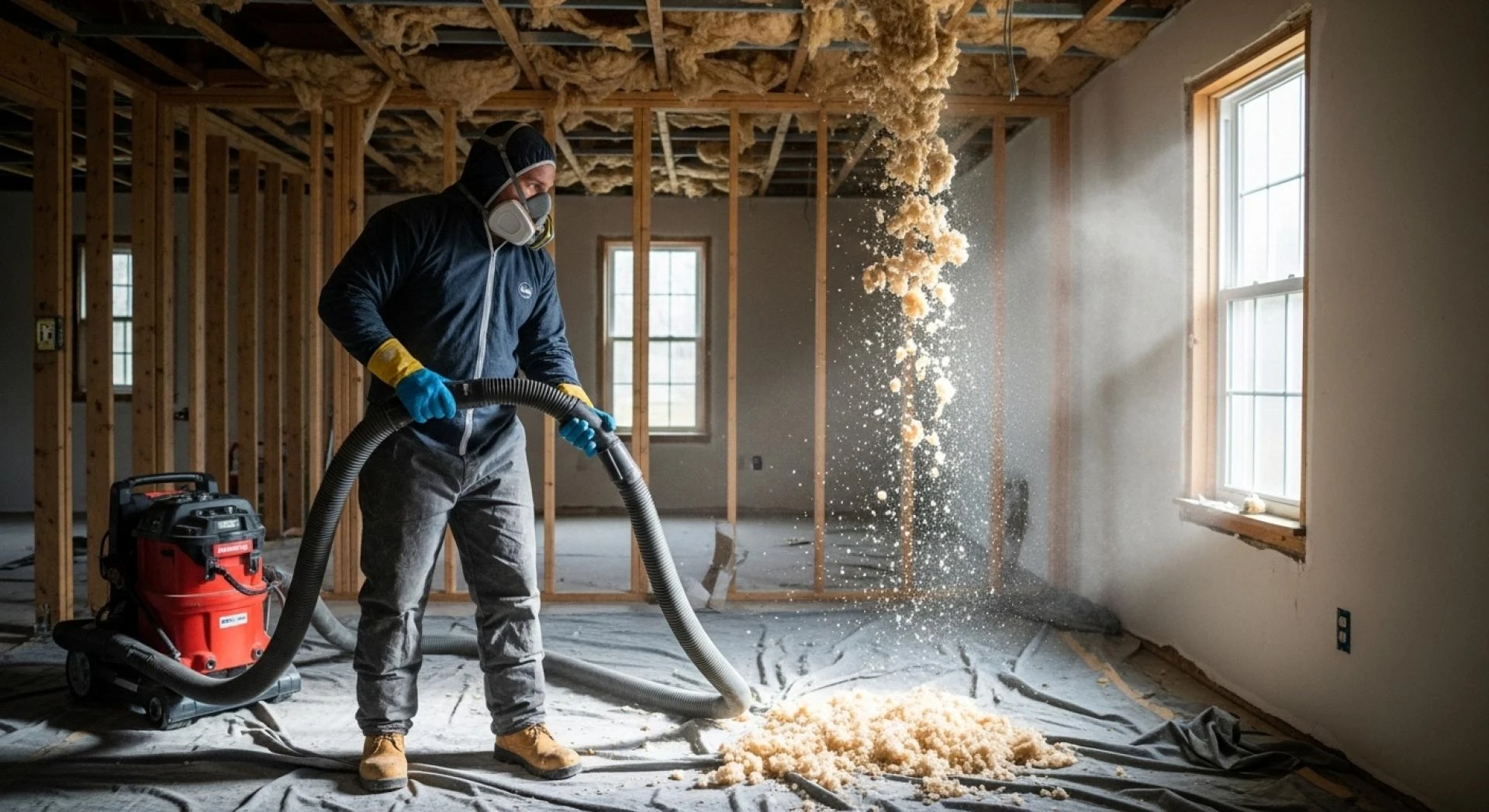
Spray foam sticks best to clean, dry surfaces. Dust, old insulation, or dampness can prevent proper adhesion, leaving gaps where air or moisture can sneak in.
Application Patterns
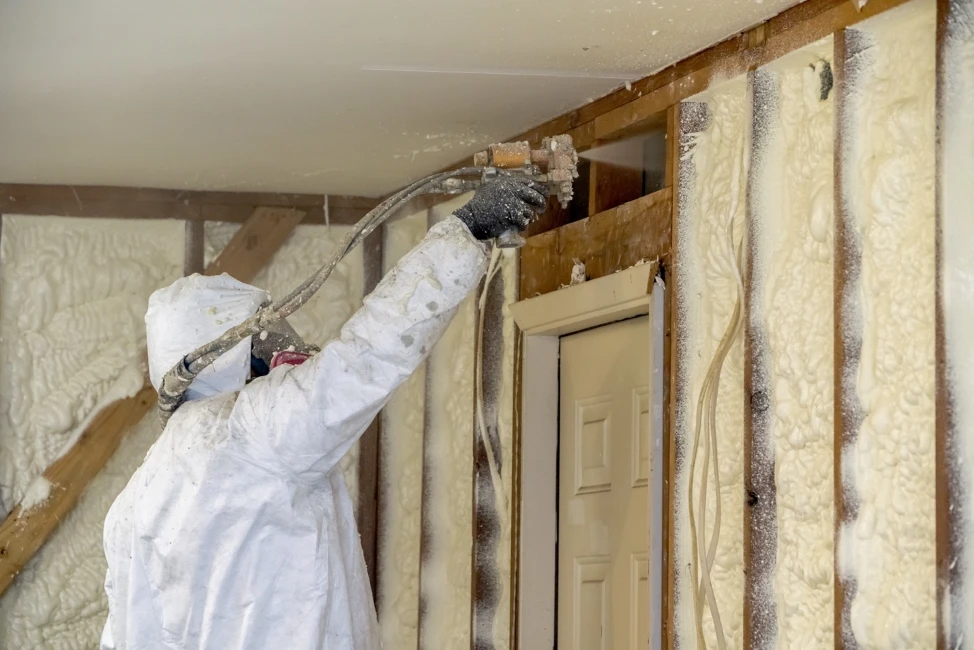
Applying foam in layers ensures thorough coverage and prevents sagging. For ceilings or angled walls, spraying in a consistent motion maintains a uniform seal.
Safety and Ventilation
Spray foam releases chemicals during curing, so ventilating the area and using protective gear is critical. Even in small spaces, a few fans can make a big difference.
Energy Savings and Long-Term Home Protection
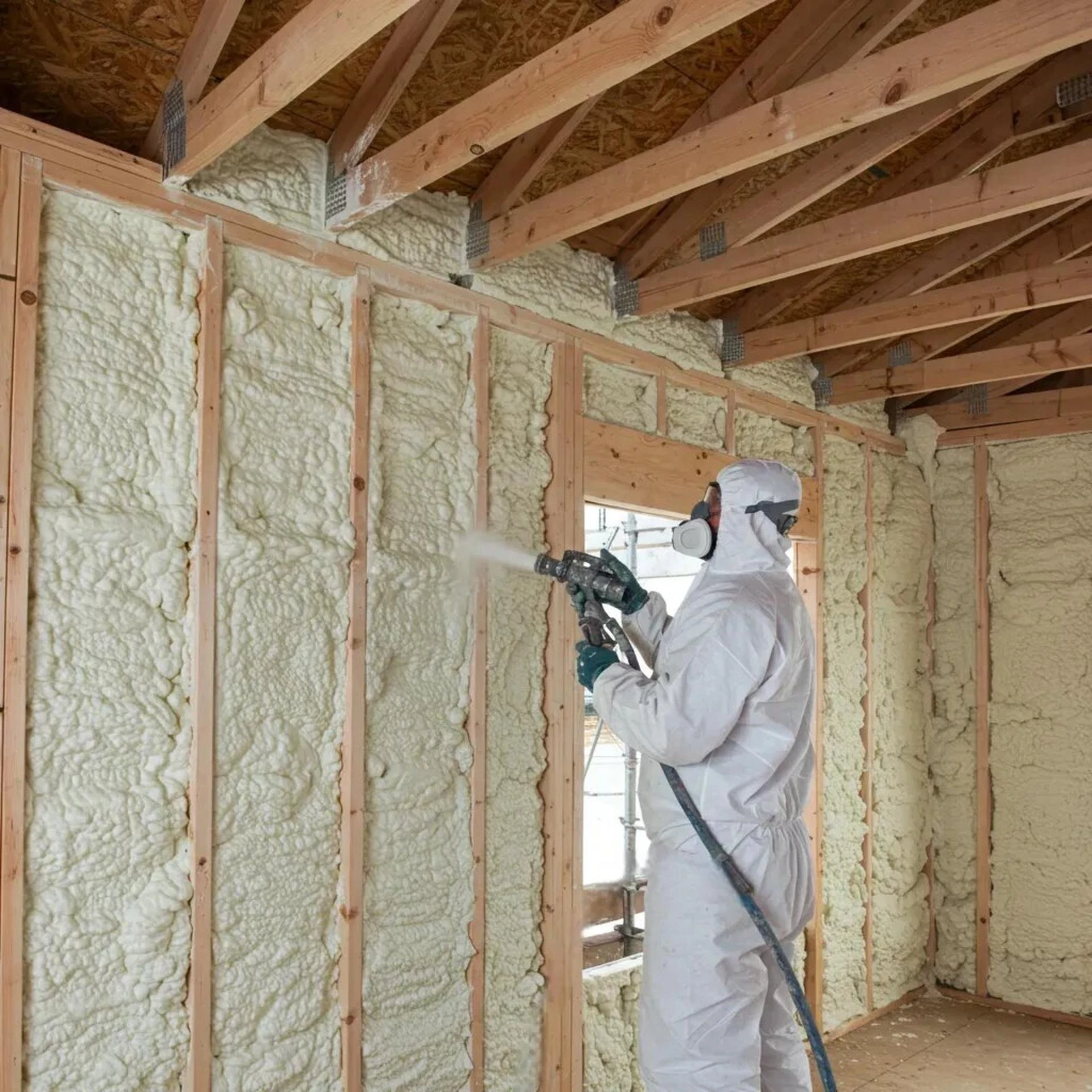
Spray foam isn’t just a quick fix. Trouble zones left untreated can increase energy bills and accelerate material wear. Proper insulation reduces energy loss, stabilizes indoor temperatures, and extends the life of structural components.
Thermal Resistance
High R-values in closed-cell foam provide superior thermal resistance, keeping homes warmer in winter and cooler in summer. This reduces strain on HVAC systems and enhances comfort year-round.
Pest Deterrent
Air gaps are an open invitation to rodents and insects. Spray foam closes these entry points, adding an extra layer of defense against pests without chemical treatments.
Common Question
Many homeowners worry about gaps that standard insulation cannot reach. Spray foam’s expanding properties address this concern effectively. By penetrating cracks and sealing hard-to-access spaces, it forms a continuous thermal envelope. The result is fewer drafts, lower energy bills, and protection against moisture and mold in critical areas.
Conclusion
Residential spray foam insulation provides a strategic solution for trouble zones. Its expanding nature fills gaps that standard insulation cannot, reinforcing air sealing, moisture control, and thermal resistance. Choosing the right foam—closed-cell for moisture-prone areas or open-cell for interior comfort—ensures every part of the home receives tailored protection.
Long-term benefits include energy savings, structural reinforcement, and reduced maintenance issues. Homes with professional spray foam insulation are not just more comfortable; they are more resilient against environmental challenges. For property owners frustrated by drafts, moisture, or wasted energy, spray foam offers a practical and lasting answer.
FAQs
What areas of a home are most suited for spray foam insulation?
Attics, basements, crawlspaces, and wall cavities are ideal. These are spots where air leaks, drafts, and moisture often accumulate, and traditional insulation may fall short.
How does spray foam prevent moisture problems?
Closed-cell foam acts as a water barrier, stopping condensation and water intrusion. This helps prevent mold and rot in vulnerable areas like basements and roof eaves.
Can spray foam improve energy efficiency?
Yes. By sealing air leaks and improving thermal resistance, spray foam keeps temperatures stable, reducing energy demand for heating and cooling.
Is spray foam safe for indoor air quality?
Once cured, spray foam is inert. During application, proper ventilation is essential, and protective gear should be worn to avoid chemical exposure.
How long does spray foam last?
When properly installed, spray foam can last decades. Its durability maintains air and moisture barriers over time, minimizing the need for frequent replacements.
Reviewer: Sophia White has 8 years of experience in spray foam insulation. She reviewed this post and gave clear guidance on aligning business messaging with what customers actually care about.










Sign in to leave a comment.