
Why Do Some Dogs Fidget So Much on Walks?
A leash walk shouldn’t feel like a tug-of-war, yet many Melbourne dog owners face this daily. Fidgety dogs aren’t naughty—they’re excited, anxious, or brimming with energy. Common signs: pulling, twisting, spinning in circles, or pawing at the leash.
High-energy breeds like Border Collies, Kelpies, or Labradors often show these behaviours, but even small or older dogs can fidget if nervous or overstimulated. Recognising the reason behind the wiggly antics is the first step to calmer walks.
Why Collars Alone Can Make Fidgeting Worse
Collars put all pressure on the neck. When dogs pull, they feel discomfort and pull harder—a classic feedback loop. Some clever pups even wriggle free entirely.
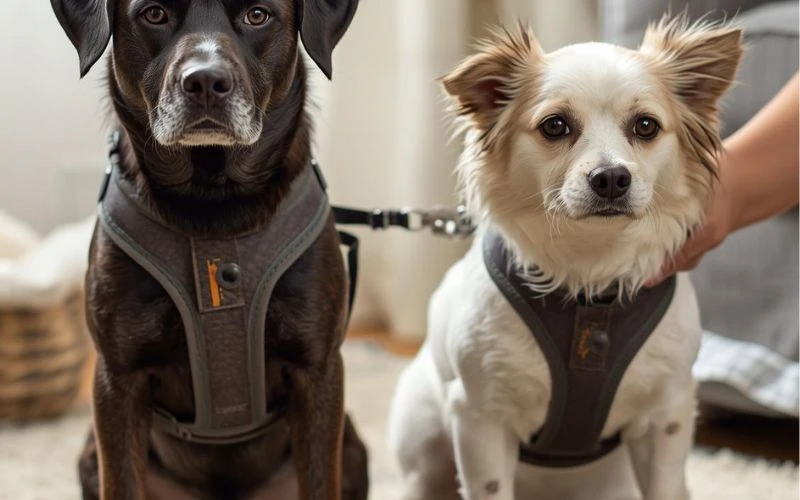
Think of it like trying to steer a boat by tugging only at the sail. It rarely goes smoothly. A properly fitted adjustable dog harness in Australia spreads pressure across the chest and shoulders, giving better control and comfort for both dog and walker.
How Can an Adjustable Harness Help Calm Fidgety Dogs?
Harnesses designed for adjustment are surprisingly simple but effective:
- Evenly distributes pressure to prevent neck strain
- Snug fit prevents slipping or twisting
- Front-clip options gently reduce pulling
- Multiple adjustment points accommodate growing dogs or different body shapes
Fitting tips:
- Measure the dog’s chest at the widest point and the neck.
- Adjust straps so two fingers can slide comfortably underneath.
- Check that the chest plate lies flat without rubbing the legs.
- Test indoors before tackling longer walks outside.
A well-fitted harness transforms chaotic walks into calm, structured adventures.
What Features Make a Harness Worth Investing In?
Not all harnesses are created equal. Look for:
- Adjustable straps for precise fit
- Breathable padding for comfort
- Strong stitching for chewers or pullers
- Easy-to-use buckles
- Optional front and back leash clips
Melbourne’s unpredictable weather matters too. Lightweight options for summer, adjustable layering for winter—walks should be comfortable year-round.
Can Accessories Help Reduce Fidgeting?
Absolutely. Items like dog bandanas in Australia do more than look cute. They signal a pre-walk ritual, helping pups focus. Clip the harness, add a bandana, and create a routine. Small cues reduce excitement and make walks smoother.
How Can Training Work Alongside the Harness?
Gear alone isn’t enough. Training makes all the difference:
- Start in a quiet space with few distractions.
- Reward calm behaviour before clipping the leash.
- Walk short distances, reinforcing loose-leash behaviour.
- Pause when pulling occurs, resume only when the dog is calm.
Short, consistent sessions beat occasional long walks every time.
When Is Professional Help Needed?
A trainer or vet can advise if:
- The dog shows persistent anxiety or excitement
- Aggression occurs during walks
- Escape attempts are frequent
Sometimes fidgeting reflects deeper stress or health issues, not just energy.
Conclusion: Gear Up for Stress-Free Walks
For most Melbourne dogs, an adjustable dog harness australia provides comfort, control, and reduced stress. Pair it with a consistent routine and simple accessories like a dog bandana australia, and even high-energy dogs can enjoy calmer, more enjoyable walks.
Quick Checklist:
- To get the right fit, measure your pets chest and neck.
- Choose a harness that has a lot of places to change it.
- Bring inside before going for walks outside
- Pair the gear with short training sessions that you do often.
For clear signals, use pre-walk signs or bandanas.
Even the most energetic dogs can learn to walk calmly with the right tools and techniques.








Sign in to leave a comment.