
Nonprofits are driven by their mission, not by profits. Yet, managing finances is critical to sustaining operations, building donor trust, and ensuring long-term success. For many nonprofit organizations, keeping accurate financial records in-house can be challenging due to limited staff, complex regulations, and the need for specialized expertise. This is where outsourced bookkeeping for nonprofits comes in.
In this article, we’ll explore what outsourced bookkeeping is, why it’s beneficial for nonprofits, and how organizations can make the most of it.
What Is Outsourced Bookkeeping for Nonprofits?
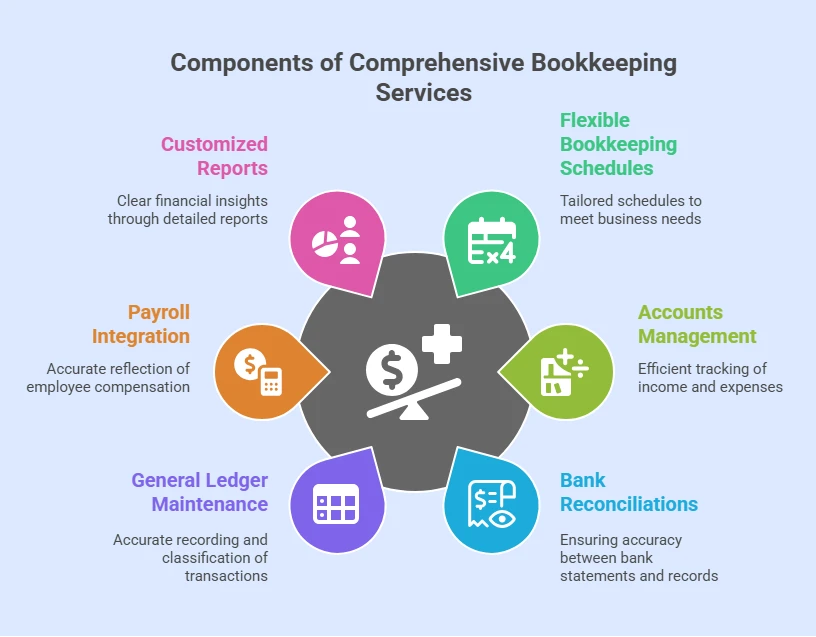
Outsourced bookkeeping refers to hiring an external service or professional to handle your organization’s financial record-keeping. Unlike in-house accounting staff, outsourced bookkeepers work remotely or on a contractual basis, providing services such as:
- Recording income and expenses
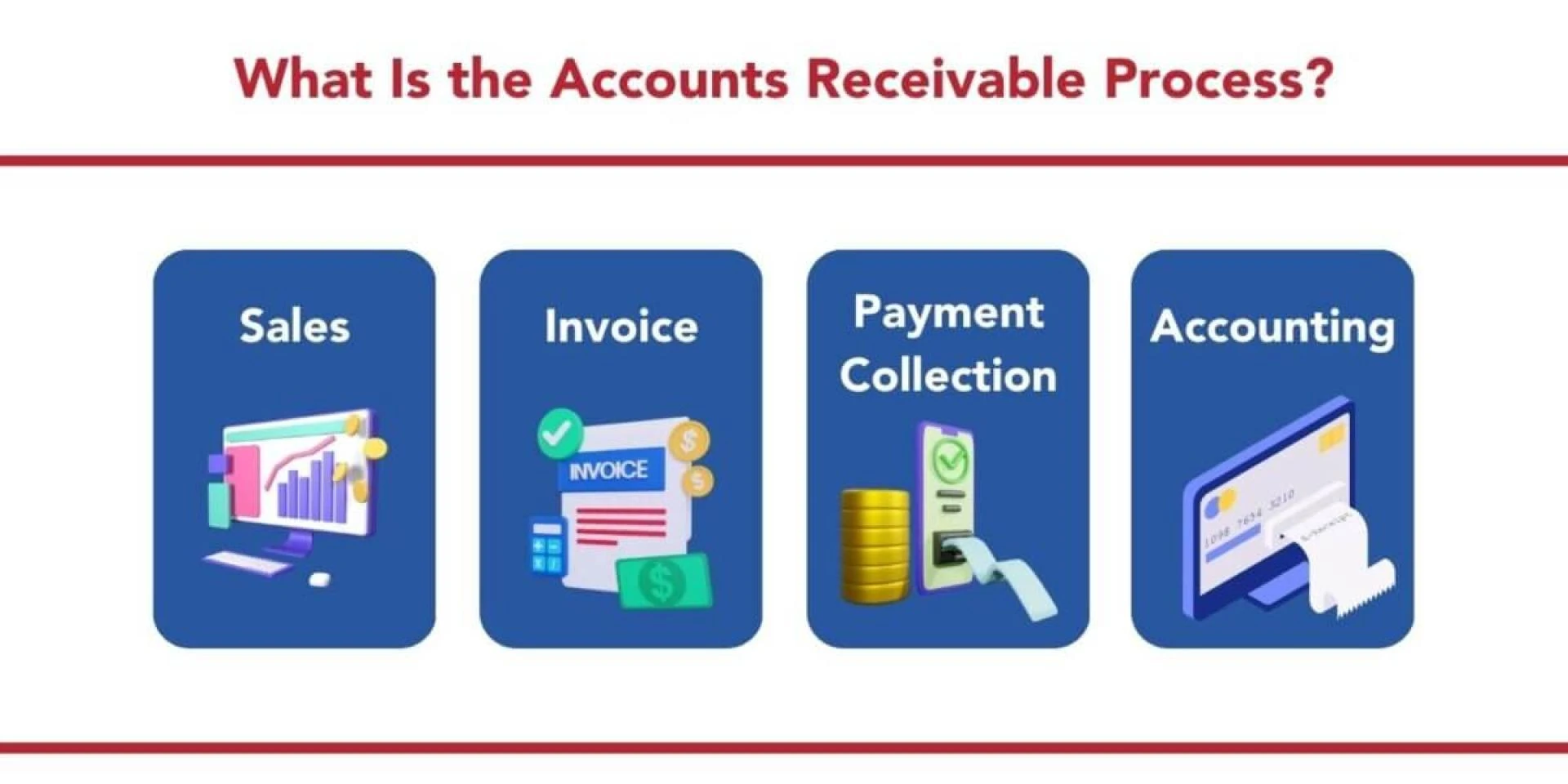
- Managing accounts payable and receivable
- Reconciling bank accounts
- Preparing financial reports for leadership and boards
- Ensuring compliance with nonprofit-specific accounting standards
For nonprofits, accuracy and transparency are essential. Outsourced bookkeeping ensures that financial records are up-to-date and compliant with regulatory requirements, freeing nonprofit staff to focus on their mission rather than numbers.
Why Nonprofits Should Consider Outsourced Bookkeeping
1. Cost Efficiency
Hiring full-time, in-house accountants can be expensive, particularly for small to mid-sized nonprofits with limited budgets. Outsourcing allows organizations to access professional bookkeeping services at a fraction of the cost of a full-time employee. You pay for the services you need without worrying about salaries, benefits, or training costs.
2. Expertise and Accuracy
Nonprofit accounting can be complex. From handling restricted funds to grant reporting and adhering to IRS guidelines, mistakes can be costly. Outsourced bookkeeping services specialize in nonprofit finances, bringing expertise and experience that minimize errors and ensure accurate reporting.
3. Time Savings
Managing finances internally can consume significant staff time. By outsourcing bookkeeping, your team can spend more time on strategic initiatives, fundraising, program development, and community engagement. Time saved on accounting translates into more focus on fulfilling your organization’s mission.
4. Scalability
Nonprofits often experience fluctuating financial activity due to seasonal donations, grants, and events. Outsourced bookkeeping services can scale with your needs, offering more intensive support during busy periods and reducing services when activity slows. This flexibility ensures your nonprofit always has the right level of financial support.
5. Enhanced Transparency and Accountability
Transparency is crucial for maintaining donor trust and meeting regulatory requirements. Outsourced bookkeeping provides accurate, timely financial reports, giving your board, donors, and stakeholders clear insight into how funds are being used. This level of accountability strengthens credibility and fosters confidence in your organization.
Key Services Provided by Outsourced Bookkeepers
When considering outsourced bookkeeping for nonprofits, it’s important to understand the range of services typically offered:
- Accounts Payable and Receivable Management: Ensuring bills are paid on time and incoming funds are recorded accurately.
- Bank Reconciliation: Matching your financial records with bank statements to detect discrepancies.
- Financial Reporting: Preparing monthly, quarterly, and annual reports for leadership and boards.
- Budgeting Support: Assisting with budget creation, tracking, and analysis.
- Grant Tracking and Reporting: Monitoring restricted funds to ensure proper use and compliance with grant requirements.
- Tax Compliance: Supporting IRS filings, nonprofit-specific tax forms, and audits.
These services help nonprofits maintain financial stability, meet legal obligations, and make informed strategic decisions.
How to Choose the Right Outsourced Bookkeeping Service
Selecting the right provider is crucial. Here are some tips to ensure a good fit:
- Specialization: Look for bookkeepers experienced in nonprofit accounting.
- Transparency: Ensure they provide clear pricing and services.
- Technology: Ask about their accounting software and how they handle cloud-based systems for remote collaboration.
- References: Seek testimonials from other nonprofits they’ve worked with.
- Communication: Strong, timely communication is essential to avoid misunderstandings.
Best Practices for Working with an Outsourced Bookkeeper
To maximize the benefits of outsourced bookkeeping, nonprofits should adopt a few best practices:
- Keep Clear Documentation: Provide organized records of income, expenses, and grant requirements.
- Set Expectations: Define the scope of work, deadlines, and reporting formats upfront.
- Regular Reviews: Schedule monthly or quarterly check-ins to review financial reports and address questions.
- Leverage Technology: Use cloud-based accounting tools to collaborate efficiently with your bookkeeper.
- Maintain Oversight: While outsourcing reduces day-to-day bookkeeping responsibilities, leadership should still monitor financial health.
Conclusion
Outsourced bookkeeping for nonprofits offers a strategic solution to the financial challenges many organizations face. By leveraging professional expertise, nonprofits can save time, reduce costs, maintain compliance, and ensure transparency for donors and stakeholders.
Ultimately, outsourcing bookkeeping allows nonprofits to focus on what truly matters: their mission. Accurate financial management is not just a back-office task—it’s a foundation that enables growth, trust, and long-term success.
Nonprofits that embrace outsourced bookkeeping can operate more efficiently, make data-driven decisions, and confidently demonstrate fiscal responsibility. If your organization is struggling with financial management or looking to streamline operations, outsourced bookkeeping could be the solution you’ve been seeking.











Sign in to leave a comment.