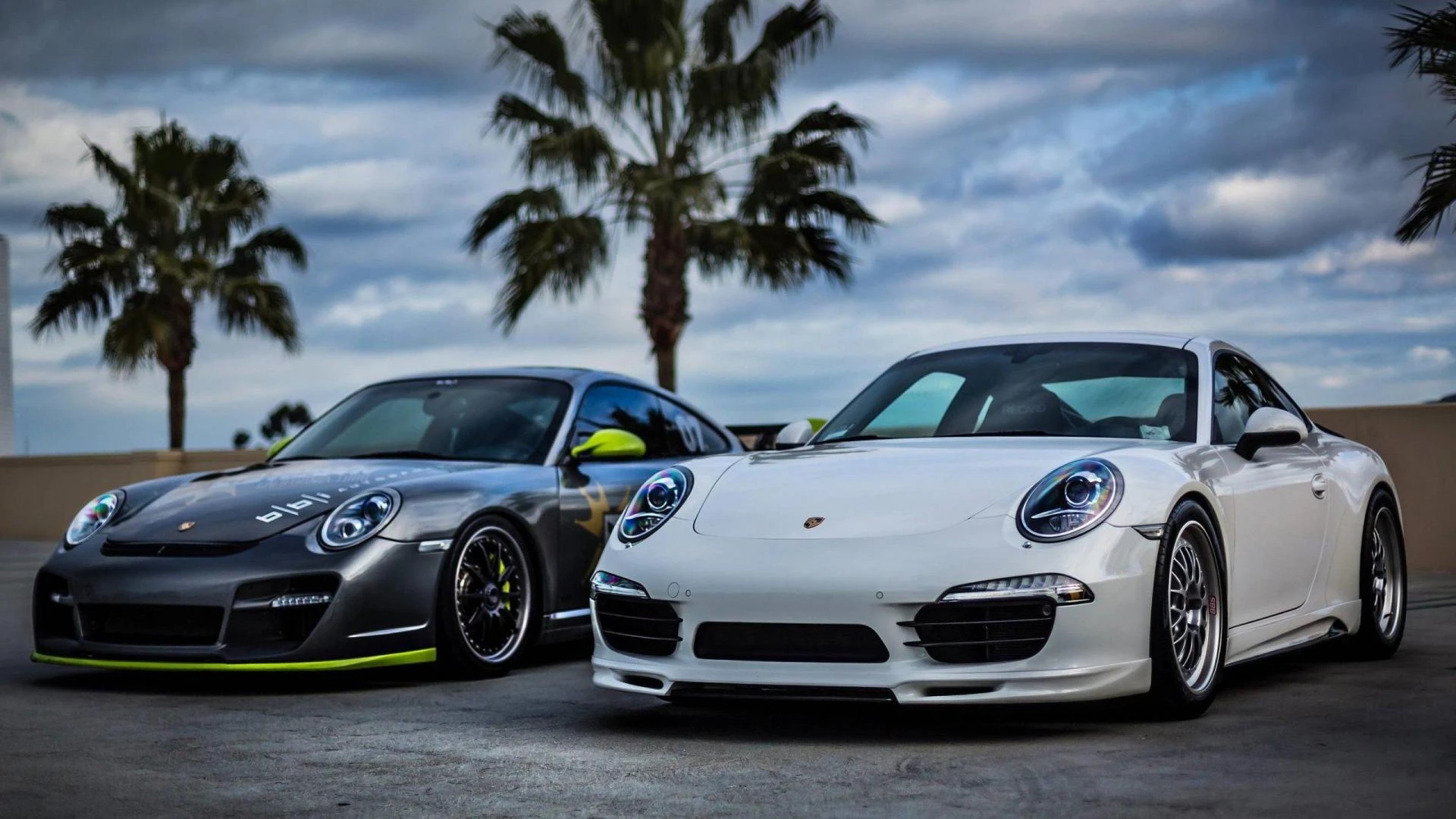

In recent years, the automotive industry has witnessed a significant shift in consumer preferences, particularly regarding car ownership. With the rise of subscription-based services and alternative mobility solutions, there is a growing debate over whether traditional car ownership is on the decline. This blog by Cash For Scrap Cars explores the key differences between car subscription and ownership models and examines the factors contributing to this shift in consumer behaviour.
Car Ownership: A Traditional Model
Car ownership has long been a symbol of freedom and status, allowing individuals to travel at their convenience without relying on public transportation. For many, owning a car represents a sense of independence and control over their mobility. Despite the convenience, car ownership comes with its challenges, such as maintenance costs, insurance, and depreciation.
In recent years, however, there has been a shift in how people view car ownership. Factors such as increasing urbanisation, environmental concerns, and the rise of alternative transportation options have led some to question the necessity of owning a car. Additionally, changing demographics, particularly among younger generations, have contributed to a decline in the appeal of car ownership.
The Rise of Car Subscriptions
Car subscription services offer an alternative to traditional car ownership, providing users with access to a range of vehicles for a monthly fee. These services typically include maintenance, insurance, and roadside assistance, making them a convenient and cost-effective option for many consumers. Additionally, car subscriptions often allow users to switch between different vehicles, providing flexibility that traditional ownership cannot match.
One of the key advantages of car subscriptions is the ability to access a vehicle without the long-term commitment and financial burden of ownership. For those who do not drive frequently or are uncertain about their long-term vehicle needs, a car subscription can offer a more flexible and affordable alternative.
Factors Influencing the Shift
Several factors are driving the shift from car ownership to subscription-based models. One of the primary factors is changing consumer preferences, particularly among younger generations. Millennials and Gen Z are more inclined towards experiences rather than ownership, preferring to pay for access to goods and services as needed. This shift in mindset is evident in various industries, including transportation, where services like ride-sharing and car subscriptions are gaining popularity.
Urbanisation is another significant factor contributing to the rise of car subscriptions. As more people move to cities, the challenges of car ownership, such as parking costs and congestion, become more pronounced. In many urban areas, owning a car is no longer practical or cost-effective, leading many residents to seek alternative transportation solutions.
The Environmental Impact
Environmental concerns are also driving the shift away from car ownership. With the growing awareness of climate change and air pollution, many consumers are seeking more sustainable transportation options.
Car subscription services often include electric and hybrid vehicles, providing environmentally-conscious consumers with a greener alternative to traditional car ownership. By opting for a car subscription, consumers can reduce their carbon footprint and contribute to a more sustainable future.
Visit: https://www.cashforcarnearby.com.au/brands/bmw/
The Future of Car Ownership
While car ownership is unlikely to disappear entirely, it is clear that the automotive industry is undergoing a significant transformation. Subscription-based models offer a level of flexibility and convenience that traditional ownership cannot match, making them an attractive option for many consumers. However, challenges remain, particularly around infrastructure and regulatory issues.
The future of car ownership will likely be shaped by a combination of factors, including technological advancements, consumer preferences, and environmental considerations. As the automotive industry continues to evolve, the way we think about car ownership is likely to change as well. Whether car ownership is truly dying remains to be seen, but one thing is clear: the way we think about mobility is changing, and the days of the traditional car ownership model may be numbered.
The Evolution of Mobility Services
The rise of car subscriptions is part of a broader trend towards mobility services that offer convenience and flexibility. In addition to car subscriptions, services like ride-sharing, bike-sharing, and scooter-sharing have become increasingly popular in urban areas. These services provide users with access to transportation on-demand, without the need for ownership. As technology continues to advance, we can expect to see even more innovative mobility solutions that further blur the lines between ownership and access. Read more
The Role of Technology
Technology plays a significant role in the shift towards subscription-based models of transportation. Advancements in mobile technology and connectivity have made it easier for consumers to access transportation services on-demand. Additionally, the rise of electric and autonomous vehicles is changing the way we think about car ownership. Electric vehicles offer a more sustainable alternative to traditional gasoline-powered cars, while autonomous vehicles have the potential to revolutionize the way we commute, potentially reducing the need for personal car ownership altogether.
Conclusion
In conclusion, the debate over the future of car ownership is complex and multifaceted. While subscription-based models offer an attractive alternative to traditional ownership, they are not without their challenges. The automotive industry is evolving rapidly, driven by changing consumer preferences, technological advancements, and environmental concerns. Whether car ownership is truly dying remains to be seen, but one thing is clear: the way we think about mobility is changing, and the days of the traditional car ownership model may be numbered. As we move towards a more connected and sustainable future, the role of car ownership is likely to evolve, with subscription-based models playing an increasingly important role in the way we access transportation.










Sign in to leave a comment.