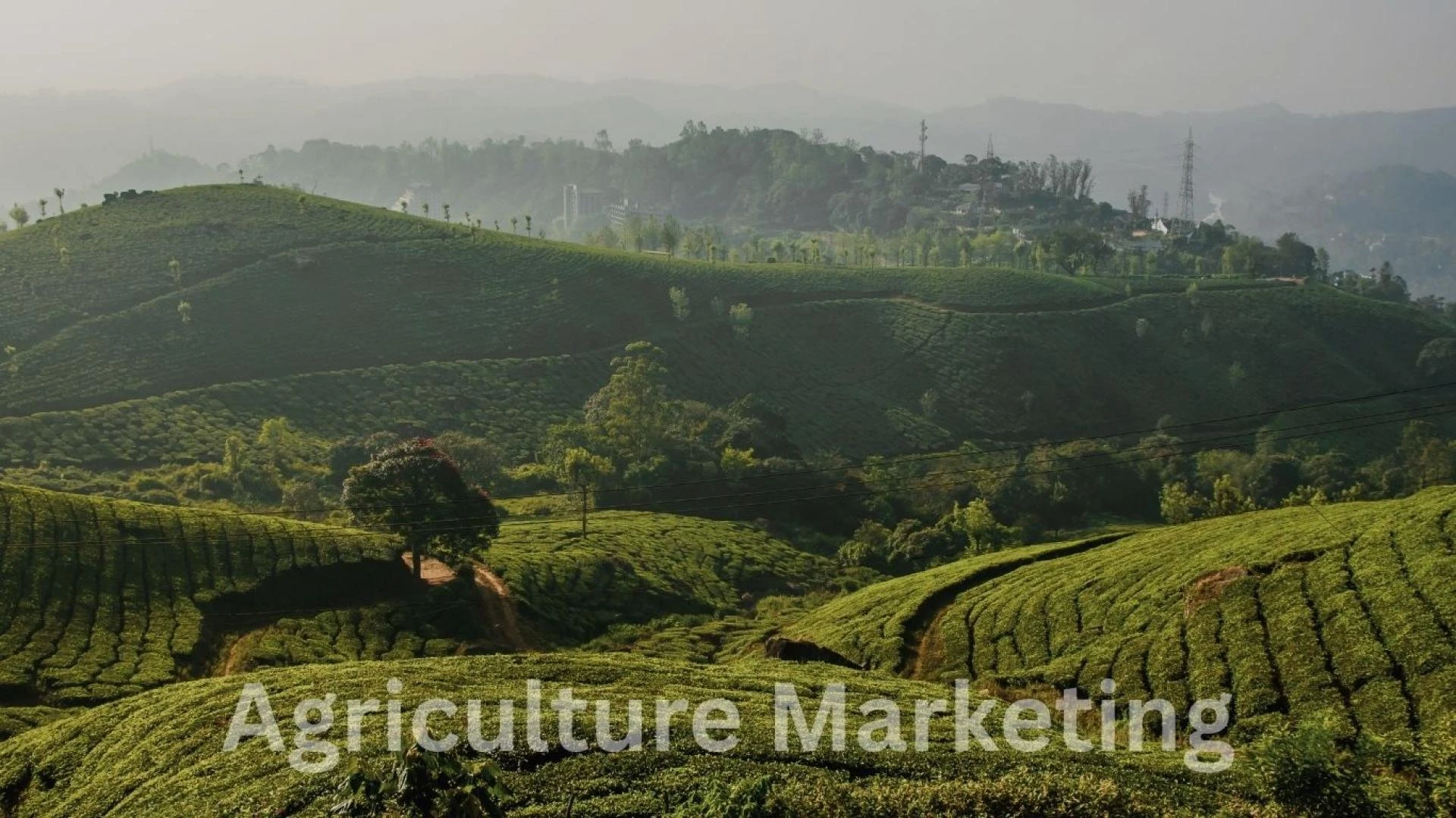

Tea plantations have long been a significant part of the agricultural landscape, especially in countries like India, China, Sri Lanka, and Kenya. As one of the most consumed beverages in the world, tea production supports the livelihoods of millions of farmers and workers globally. However, climate change, fluctuating market demand, soil degradation, and outdated farming practices are affecting the sustainability and profitability of tea cultivation. To ensure long-term growth, tea plantations must adopt innovative and sustainable strategies that align with environmental conservation, economic resilience, and community development.
In this article, we explore comprehensive strategies that tea plantations can adopt in 2025 and beyond to ensure sustainable growth and increased profitability.
1. Transition to Sustainable Farming Practices
Sustainable tea cultivation involves eco-friendly agricultural practices that conserve natural resources, improve soil health, and reduce the use of harmful chemicals. Key strategies include:
a. Organic Farming
Switching to organic farming reduces dependency on chemical fertilizers and pesticides, helping preserve biodiversity and protect worker health. Though transitioning may initially reduce yield, long-term benefits include better soil health, higher quality tea, and premium pricing in international markets.
b. Agroforestry
Planting shade trees within tea plantations helps maintain microclimatic balance, conserve moisture, and protect against soil erosion. Agroforestry also encourages biodiversity and provides additional income sources like fruits or timber.
c. Rainwater Harvesting and Drip Irrigation
Efficient water management systems like rainwater harvesting and drip irrigation help conserve water, especially important in regions facing water scarcity. These methods also improve productivity by delivering water directly to the roots.
2. Implementing Carbon Farming Techniques
Carbon farming is a climate-smart agricultural method that focuses on sequestering carbon in the soil and vegetation. Tea plantations can play a significant role in mitigating climate change through:
a. Soil Carbon Sequestration
Practices such as mulching, cover cropping, and reduced tillage increase organic matter in the soil, thereby capturing more carbon. This not only improves soil fertility but also makes the plantation eligible for carbon credits.
b. Tree Plantations and Windbreaks
Planting trees around tea fields serves as windbreaks and contributes to carbon absorption. Trees act as long-term carbon sinks, improving ecosystem balance and reducing greenhouse gas emissions.
c. Participation in Carbon Credit Markets
Tea growers adopting sustainable and carbon-focused practices can monetize their efforts by participating in voluntary carbon credit markets. This provides an additional revenue stream while contributing to global environmental goals.
3. Technological Integration in Tea Plantations
Modern technology can significantly boost the productivity and sustainability of tea plantations. Key tech-driven solutions include:
a. Soil and Crop Monitoring
IoT-based sensors and drones can monitor soil moisture, crop health, and pest infestations in real-time. This data helps in precise input application, reducing waste and increasing yield.
b. Blockchain for Traceability
Blockchain technology allows for transparent tracking of tea from field to cup. This boosts consumer trust, enhances brand reputation, and opens access to premium global markets that demand traceability.
c. Mobile Apps and AI Tools
Mobile applications that provide weather forecasts, market prices, and best-practice tips empower farmers to make informed decisions. AI-based models can also predict yield, helping plan harvests and logistics better.
4. Strengthening Agriculture Marketing for Tea
Effective agriculture marketing strategies are essential for the success of tea plantations. By improving market access and brand positioning, tea growers can increase profitability and market share.
a. Direct-to-Consumer (D2C) Sales
Selling tea directly to consumers through e-commerce platforms removes intermediaries and increases profit margins. Customizable packaging and subscription models further enhance customer retention.
b. Tea Tourism
Many plantations in regions like Assam and Darjeeling are integrating tourism into their operations. Offering guided tours, tasting sessions, and homestays can create additional income while building brand loyalty.
c. Digital Marketing and Branding
Using SEO, content marketing, social media, and influencer collaborations can help build a strong brand identity. Highlighting sustainability, origin stories, and health benefits appeals to modern consumers.
5. Certification and Quality Assurance
Certifications assure consumers about the quality and ethics of the tea they purchase. Acquiring globally recognized certifications boosts market credibility and unlocks premium segments.
a. Fair Trade Certification
Ensures fair wages and ethical treatment of workers, which appeals to socially conscious consumers.
b. Rainforest Alliance or UTZ Certification
These focus on environmental standards, wildlife protection, and community well-being.
c. ISO and HACCP Standards
Implementing international food safety and quality standards helps plantations meet export requirements and minimize post-harvest losses.
6. Empowering the Workforce and Local Communities
A sustainable tea plantation thrives not only on soil and climate but also on people. Ensuring the welfare of workers and surrounding communities is crucial.
a. Skill Development and Training
Regular training on modern farming, sustainability practices, and digital tools equips workers to contribute more effectively.
b. Healthcare and Education
Providing access to basic healthcare, sanitation, and education enhances the quality of life and productivity of the labor force.
c. Women Empowerment
Involving women in leadership, processing, and marketing roles creates inclusive growth and boosts household incomes.
7. Diversification and Value Addition
Relying solely on traditional black tea can be limiting. Diversification into other tea types and value-added products opens new markets.
a. Specialty Teas
Green tea, white tea, oolong, and herbal blends are gaining global popularity. These fetch higher prices and appeal to health-conscious consumers.
b. Ready-to-Drink (RTD) Products
Bottled iced teas, tea-based smoothies, and kombucha are popular among urban youth. Investing in processing units can unlock new revenue streams.
c. Tea-based Cosmetics
Tea extracts are increasingly used in skincare and wellness products. Partnering with cosmetic brands can further diversify income.
8. Climate Resilience and Risk Management
Climate change is one of the biggest threats to tea cultivation. Implementing risk mitigation strategies ensures consistent yield and income.
a. Climate-Resilient Varieties
Developing or adopting tea cultivars that withstand drought, pests, and temperature fluctuations is key to future-proofing plantations.
b. Crop Insurance
Investing in crop insurance protects against unexpected weather events, pests, and market fluctuations.
c. Early Warning Systems
Access to meteorological data and climate modeling helps in timely decision-making for irrigation, fertilization, and harvesting.
9. Collaboration and Policy Support
Tea plantations must actively collaborate with government bodies, research institutes, and NGOs to access support, funding, and training.
a. Government Schemes and Subsidies
Leveraging agricultural schemes for irrigation, solar pumps, organic inputs, and digital tools reduces input costs and enhances sustainability.
b. Research & Innovation Partnerships
Collaborating with agricultural universities and research centers helps in adopting the latest techniques and addressing region-specific challenges.
c. Public-Private Partnerships (PPP)
PPP models can bring in investment, infrastructure, and technological expertise to uplift small and medium-sized tea plantations.
Conclusion
The future of tea plantations lies in adopting a holistic, sustainable, and innovation-driven approach. By blending traditional knowledge with modern technology, focusing on environmental stewardship, and strengthening agriculture marketing, tea plantations can thrive in a competitive global landscape.
Empowering workers, leveraging carbon farming, diversifying products, and embracing digital tools are not just trends they are necessities for ensuring long-term profitability and ecological balance.
As we move forward into 2025 and beyond, tea plantations that invest in sustainable growth strategies will not only preserve the legacy of tea but also pave the way for a greener and more prosperous future.









Sign in to leave a comment.