
Introduction
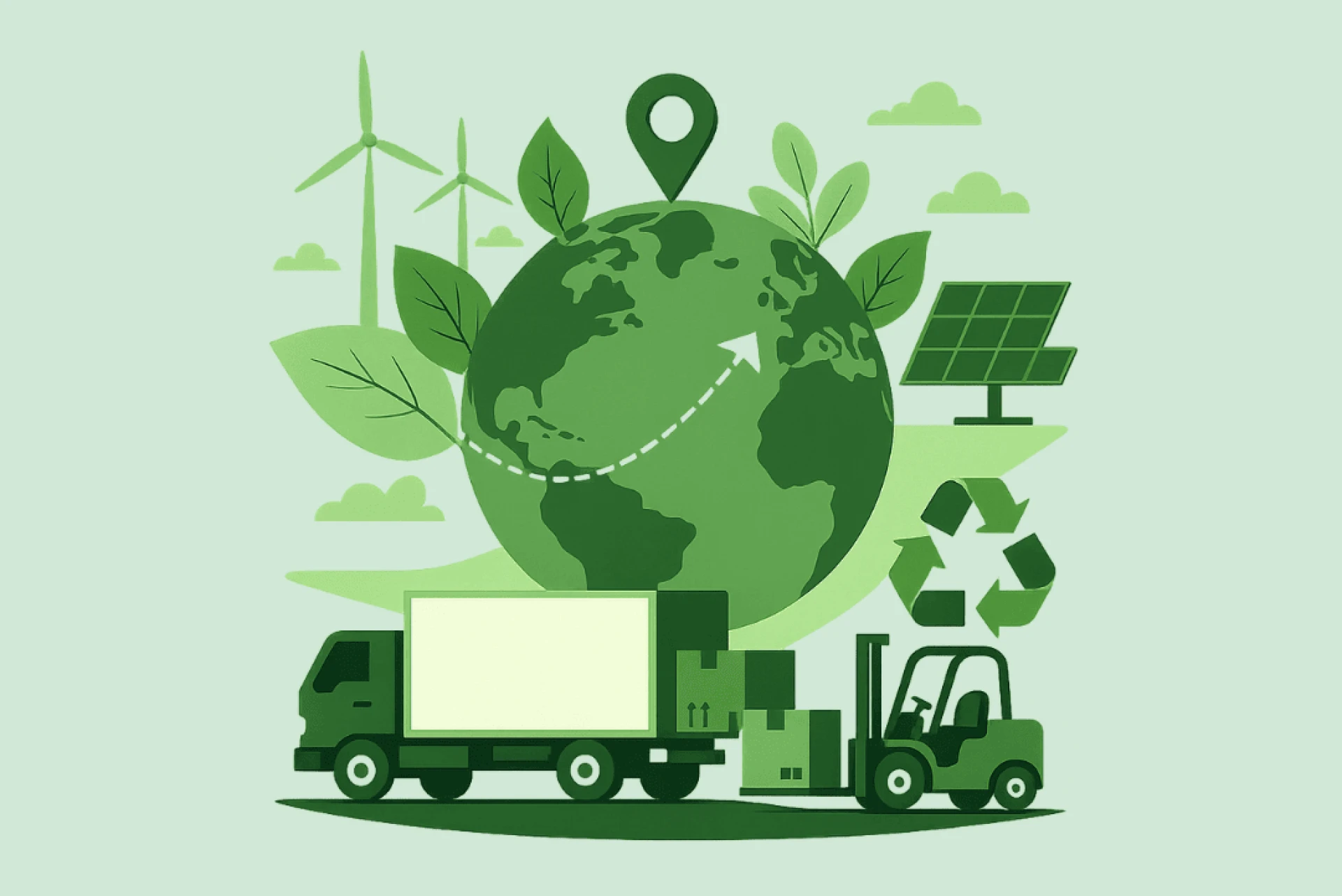
The pressure is on. Consumers, regulators, and stakeholders are demanding greater environmental responsibility from businesses and supply chains are front and center in this transformation.
From sourcing raw materials to last-mile delivery, every logistics decision leaves a carbon footprint. But here’s the good news: technology is not only helping organizations reduce emissions it’s making sustainability a competitive advantage.
Welcome to the era of green logistics, where AI, blockchain, IoT, and digital supply chain solutions are working together to create more sustainable, transparent, and resilient ecosystems.
Why Traditional Supply Chains Fall Short on Sustainability
Traditional supply chains are optimized for cost and speed—not carbon impact. They often lack:
- End-to-end visibility
- Real-time decision-making
- Collaboration across partners
- Incentives to prioritize environmental goals
The result? Excess inventory, inefficient routes, and fragmented processes that lead to waste and emissions.
How Technology Is Powering Green Logistics
1. AI for Smarter Forecasting and Inventory Management
AI-based demand forecasting helps reduce overproduction and overstocking—two major contributors to waste and carbon footprint. These models analyze:
- Real-time consumer demand
- Seasonality patterns
- Economic signals
- Geospatial trends
This ensures just-in-time manufacturing and smarter warehousing—saving energy, space, and emissions.
Explore: AI in Warehouse Automation
2. Blockchain for Supply Chain Transparency
Sustainable sourcing starts with visibility. Blockchain enables tamper-proof tracking of products from origin to destination. This helps:
- Verify ethical sourcing
- Track carbon credits or green certifications
- Identify bottlenecks and delays
- Build trust with eco-conscious customers
Read more: What Is Metadata in Blockchain Transactions? – Learn how blockchain metadata enhances traceability and sustainability reporting.
3. IoT for Real-Time Monitoring and Optimization
IoT sensors in vehicles, containers, and warehouses offer real-time data on:
- Fuel usage
- Temperature control
- Idle time
- Route efficiency
This data is fed into AI systems that recommend the most energy-efficient delivery paths, reducing unnecessary mileage and fuel consumption.
4. Digital Twins for Environmental Simulation
Digital twins create a virtual replica of your supply chain, allowing you to simulate the impact of green initiatives before implementation:
- What if we reroute a shipment via rail instead of air?
- How do different suppliers compare on CO₂ impact?
- What’s the most sustainable packaging option?
These simulations help companies make informed decisions before making investments.
5. Paperless Logistics with Document Digitization
Going green also means going paperless. With document digitization:
- Bills of lading, customs docs, and invoices are stored digitally
- Smart contracts automate compliance and approvals
- Transportation documents are verified securely and instantly
This reduces delays, fraud, and paper waste across international logistics.
Benefits Beyond Compliance
While sustainability regulations are becoming stricter, green logistics offers strategic business advantages, including:
- Lower fuel and storage costs
- Increased brand loyalty
- Faster customs and cross-border clearance
- Access to sustainable financing or ESG funds
It’s not just good for the planet. It’s good for business.
Final Thoughts
Sustainability is no longer optional.
It’s a strategic imperative—and technology is the key enabler.
By investing in intelligent tools like AI, blockchain, and IoT, organizations can drive not just carbon reductions, but also long-term efficiency, trust, and growth.













Sign in to leave a comment.