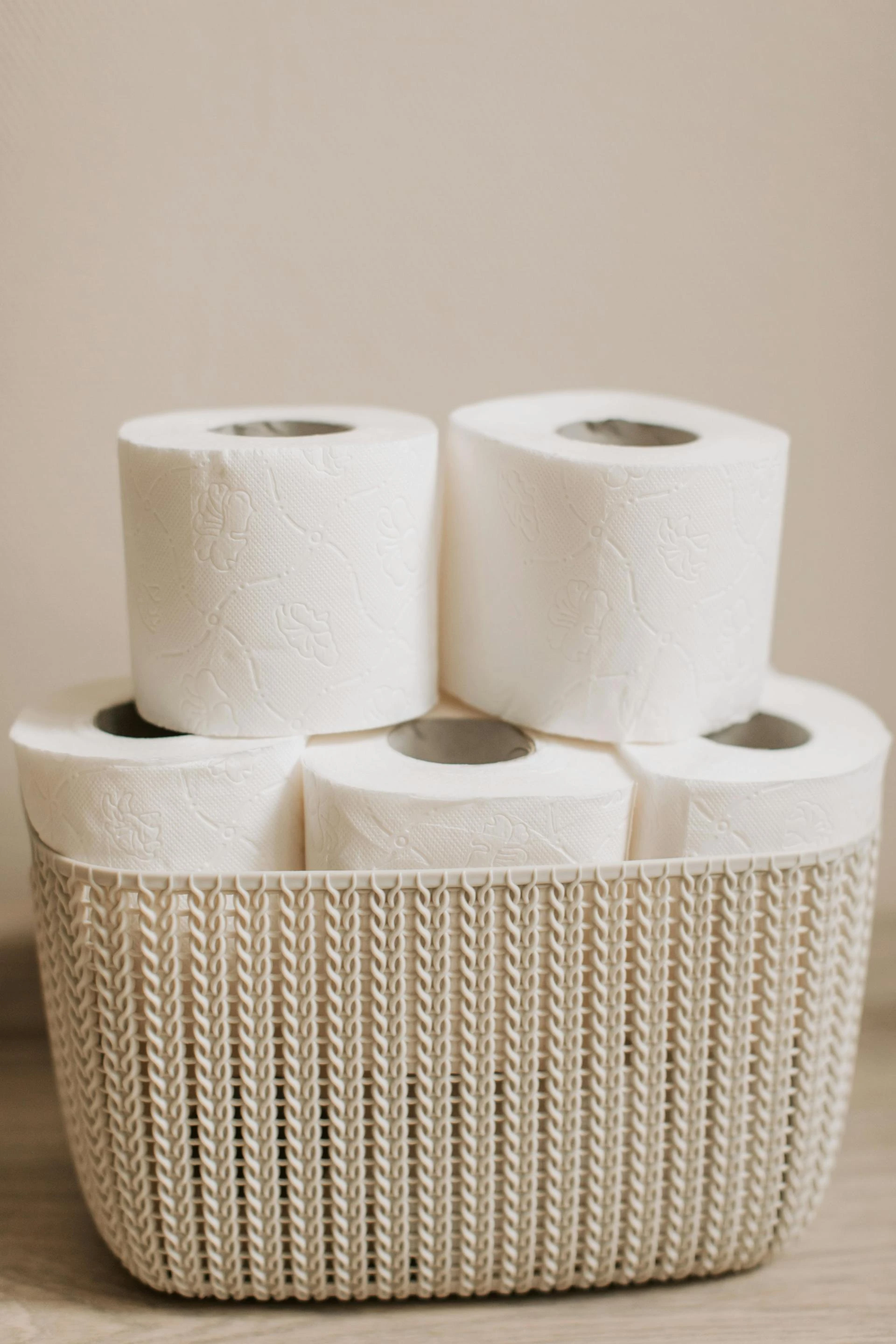
In today’s world, sustainability has become a significant focus for many people looking to make more eco-friendly choices in their daily lives. From reducing plastic waste to choosing products that have a minimal environmental impact, many are now looking for ways to make their homes greener. One small but important change that can have a significant impact is switching to sustainable toilet paper.
Choosing eco-friendly toilet paper not only helps reduce your household’s environmental footprint but also contributes to a healthier planet. In this blog, we’ll explore why sustainable toilet paper is a great choice for your home and why it’s worth making the switch.
What Makes Toilet Paper Sustainable?
Before we dive into the benefits of sustainable toilet paper, let’s first define what makes a toilet paper product sustainable.
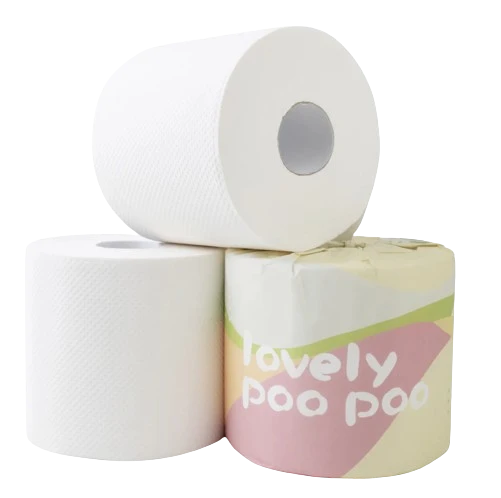
Sustainable toilet paper is typically made from environmentally friendly materials, such as bamboo, recycled paper, or even sugarcane. These materials are renewable and do not deplete the earth’s natural resources. Unlike traditional toilet paper, which is often made from virgin wood pulp sourced from trees, sustainable alternatives minimize deforestation and reduce the environmental impact of paper production.
Moreover, eco-friendly toilet paper is often produced without harmful chemicals, bleaches, or dyes, making it a safer option for your family and the planet.
Benefits of Sustainable Toilet Paper
1. Reduces Deforestation
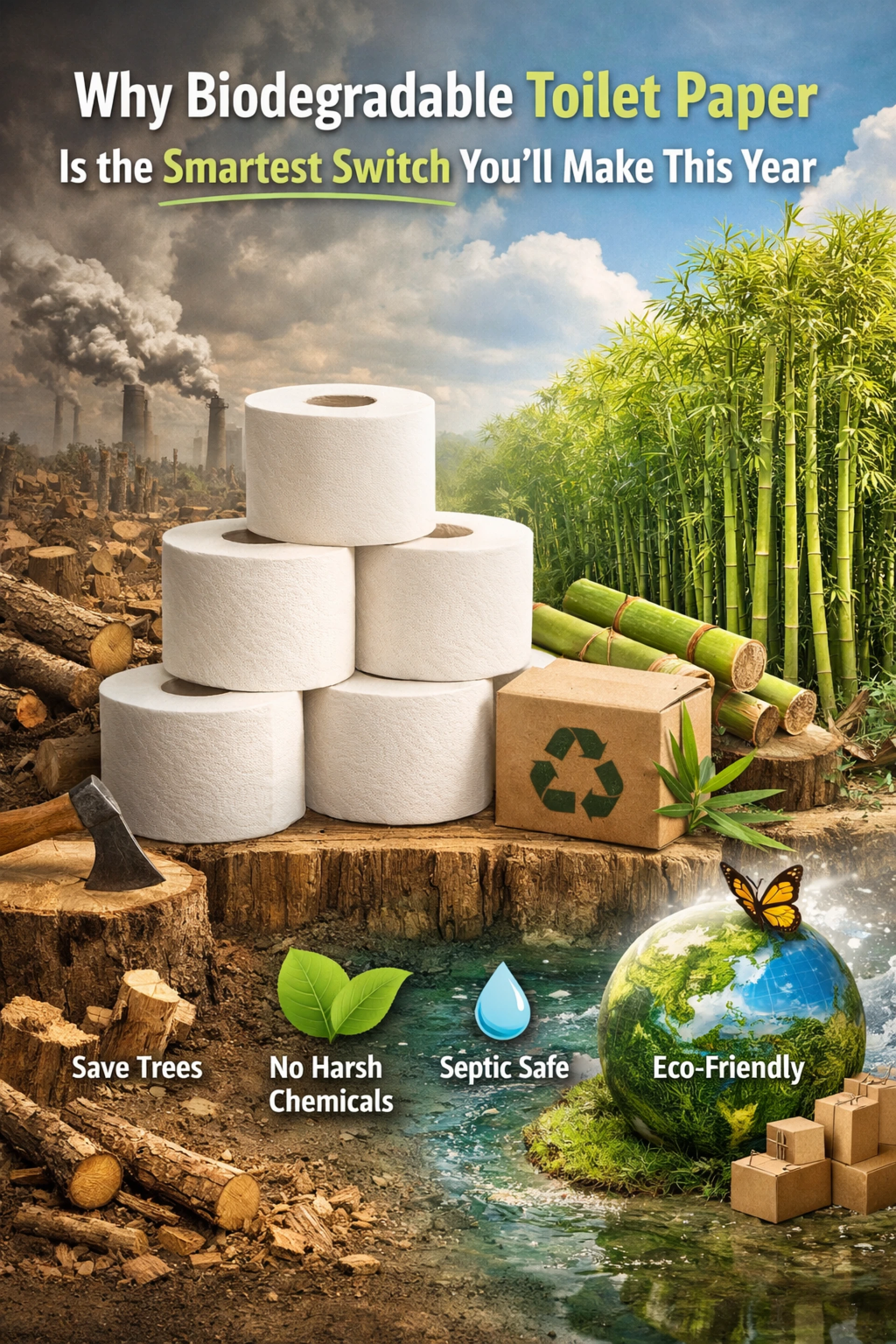
One of the main reasons to choose sustainable toilet paper is its ability to help reduce deforestation. Traditional toilet paper is made from virgin wood pulp, which contributes to the cutting down of trees, often in precious, biodiverse forests. These forests are vital for our ecosystem, providing habitats for wildlife and helping to maintain clean air and water. By switching to sustainable toilet paper, you are supporting products made from recycled paper or fast-growing bamboo, which requires much less land and water to grow than trees.
2. Minimizes Carbon Footprint
Producing toilet paper from virgin wood pulp requires a lot of energy and resources. In comparison, recycled and bamboo-based toilet papers require fewer resources and emit fewer greenhouse gases during production. Bamboo, in particular, grows rapidly and doesn’t require pesticides or fertilizers, which makes it a more sustainable option. Choosing eco-friendly toilet paper can significantly reduce your home’s carbon footprint and contribute to reducing global warming.
3. Healthier for Your Skin
Eco-friendly toilet paper is often produced without harsh chemicals, fragrances, and dyes, which are commonly found in traditional toilet paper. These chemicals can cause irritation or allergic reactions, especially for those with sensitive skin. Sustainable options made from bamboo or recycled paper are hypoallergenic, soft, and gentle on the skin, providing a healthier and safer alternative for your family.
4. Supports the Circular Economy
Many sustainable toilet paper brands are committed to using recycled materials in their production processes. By purchasing eco-friendly toilet paper, you are supporting the circular economy—where materials are reused, recycled, and repurposed to reduce waste. This helps divert paper waste from landfills, where it would otherwise take years to decompose.
5. Biodegradable and Compostable
Another benefit of sustainable toilet paper is that it is often biodegradable and compostable. This means that after you’ve used it, it will break down naturally, leaving little to no impact on the environment. Unlike traditional toilet paper, which can take decades to decompose in landfills, eco-friendly options will degrade quickly and return to the earth.
Making the Switch to Sustainable Toilet Paper
Switching to sustainable toilet paper is an easy and affordable way to reduce your environmental impact. Here are a few tips for making the transition:
- Look for certifications: Check for certifications such as FSC (Forest Stewardship Council), which ensures that the paper is sourced from responsibly managed forests, or the Green Seal certification, which indicates that the paper is produced with minimal environmental impact.
- Start small: You don’t need to switch out all your toilet paper at once. Try replacing a roll or two with eco-friendly options to see how you like them.
- Explore bamboo toilet paper: Bamboo is one of the most sustainable materials available. It’s fast-growing, requires little water, and can be grown without pesticides. Look for brands that use 100% bamboo for their toilet paper.
- Choose recycled paper options: If bamboo isn’t your thing, consider recycled paper toilet paper, which is also a great option for reducing waste and conserving resources.
Popular Sustainable Toilet Paper Brands
There are several brands out there that offer high-quality, eco-friendly toilet paper. Here are a few that are known for their commitment to sustainability:
- Who Gives A Crap: This brand is known for its 100% recycled paper toilet paper, and they donate 50% of their profits to sanitation projects around the world.
- Bamboo Toilet Paper: Made from bamboo, this option is biodegradable and free from dyes and chemicals.
- Seventh Generation: Known for their eco-friendly household products, Seventh Generation offers toilet paper made from 100% recycled paper.
- Cottonelle: While not entirely made from sustainable materials, Cottonelle offers an option with a percentage of recycled content.
Conclusion
Choosing sustainable toilet paper is a small but impactful step toward reducing your environmental footprint and making your home greener. By switching to eco-friendly toilet paper, you help reduce deforestation, minimize carbon emissions, and protect the planet’s natural resources. Whether you opt for bamboo, recycled paper, or another sustainable option, making the switch is a simple and affordable way to contribute to a more sustainable world.
Take the step today and make a positive impact on the environment while ensuring a soft and healthy choice for your family. Your small change can make a big difference!











Sign in to leave a comment.