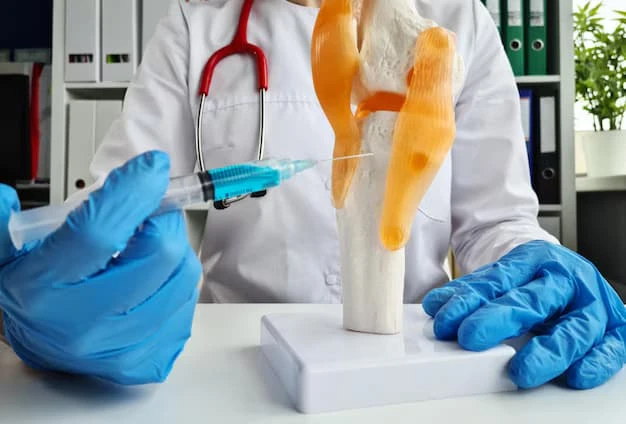

In the realm of orthopedic surgery and regenerative medicine, the choice between synthetic and natural bone grafts has become a focal point of discussion. Bone grafting is a surgical procedure that involves transplanting bone tissue to repair and rebuild damaged or diseased bones.
This guide delves into the differences, advantages, and considerations associated with synthetic bone graft substitute compared to natural bone grafts, providing essential insights for both patients and practitioners.
Understanding Bone Grafting
Bone grafting plays a crucial role in a variety of medical procedures, including the repair of fractures, the treatment of bone defects, and spinal fusion surgeries. The primary purpose of bone grafts is to promote new bone growth and facilitate healing in areas where bone tissue is lacking. There are two main types of bone grafts: natural (or autografts and allografts) and synthetic.
Natural bone grafts are derived from living or deceased donors. Autografts come from the patient’s own body, often taken from areas like the hip or wrist, while allografts are sourced from human cadaveric tissue. Synthetic bone graft substitutes, on the other hand, are man-made materials designed to mimic the properties of natural bone and promote osteogenesis, the process of new bone formation.
Synthetic Bone Graft Substitutes: An Overview
Synthetic bone graft substitutes are engineered materials that have gained popularity due to their versatility and effectiveness in promoting bone healing. These substitutes are typically made from biocompatible materials such as ceramics, polymers, and composites.
One of the key advantages of synthetic bone grafts is their ability to be tailored to meet specific clinical needs. They can be designed to have varying porosity, mechanical strength, and resorbability, depending on the requirements of the surgical procedure. Additionally, synthetic grafts eliminate the risks associated with harvesting bone from a donor site, such as infection and increased recovery time.
Types of Synthetic Bone Graft Substitutes
- Ceramic-based Grafts: Materials like hydroxyapatite and tricalcium phosphate are commonly used as they resemble the mineral component of natural bone. These grafts are bioactive, promoting cellular attachment and growth.
- Polymer-based Grafts: Polymers such as polylactic acid (PLA) and polyglycolic acid (PGA) can be used in combination with other materials to create scaffolds that support new bone formation.
- Composite Grafts: These combine both ceramic and polymer components, leveraging the strengths of each to provide a scaffold that encourages bone growth while maintaining mechanical stability.
Natural Bone Grafts: The Traditional Approach
Natural bone grafts have been the gold standard in bone repair for decades. Autografts are often favored for their osteogenic potential, as they contain living cells that can actively contribute to new bone formation. Allografts, on the other hand, are advantageous in larger reconstructions where harvesting additional bone may not be feasible.
Advantages of Natural Bone Grafts
- Osteogenic Properties: Autografts provide the highest potential for bone healing since they contain the patient’s own cells.
- Biocompatibility: Natural bone grafts integrate well with existing bone, minimizing the risk of rejection.
- Established Track Record: Natural grafts have a long history of successful outcomes and are well-researched, providing surgeons with confidence in their use.
Comparative Analysis: Synthetic vs. Natural Bone Grafts
When considering synthetic versus natural bone grafts, several factors come into play, including effectiveness, safety, recovery time, and cost.
Effectiveness
Both synthetic and natural grafts have demonstrated effectiveness in promoting bone healing. However, autografts are often considered superior in terms of osteogenic capability. Synthetic grafts, while not containing living cells, can still effectively provide a scaffold for new bone growth, making them a viable option in many scenarios.
Safety and Complications
Natural bone grafting involves the surgical harvesting of bone, which can lead to complications such as pain at the donor site, infection, and longer recovery times. Synthetic bone graft substitutes eliminate these concerns, as they do not require additional surgical sites. However, synthetic materials may have varying degrees of biocompatibility, necessitating careful selection based on the patient’s specific condition.
Recovery Time
Patients undergoing autograft procedures often experience longer recovery times due to the dual surgical sites. In contrast, synthetic grafts can lead to reduced recovery periods since they typically require less invasive surgery. This is particularly beneficial for patients looking to return to their normal activities swiftly.
Cost Considerations
The cost of bone graft materials can vary significantly. While natural grafts may come with additional costs related to donor site morbidity and longer hospital stays, synthetic grafts can be more cost-effective in certain situations. The overall cost-effectiveness will depend on the specific clinical scenario and patient needs.
Innovations and Future Perspectives
As research advances, the field of bone grafting continues to evolve. Innovations in synthetic bone graft substitutes, such as the incorporation of growth factors and stem cells, aim to enhance their osteogenic potential further. These developments could bridge the gap between the advantages of natural grafts and synthetic substitutes, offering even more effective solutions for patients.
Conclusion: Making Informed Choices
Choosing between synthetic and natural bone grafts is a significant decision that should be made collaboratively between the patient and their healthcare provider. Each type of graft has its unique advantages and considerations, and the best option often depends on the specific clinical scenario and patient needs.
For those looking to stay informed on the latest advancements in bone graft technologies and related orthopedic practices, resources like Ler Magazine can provide valuable insights and expert guidance. By understanding the differences between synthetic and natural bone grafts, patients can make informed choices that align with their health goals and treatment plans.













Sign in to leave a comment.