
By Dr. Asma Parveen, M.D. Dermatology
Acne during teenage years is often considered a normal part of growing up — but for many adolescents, it goes beyond a temporary skin concern. Persistent breakouts can affect confidence, social interactions, and overall well-being.
In clinical practice, teen acne is one of the most frequently seen conditions, particularly during school and college years. Understanding its causes and managing it early can prevent long-term skin damage.
Why Acne Increases During Teenage Years
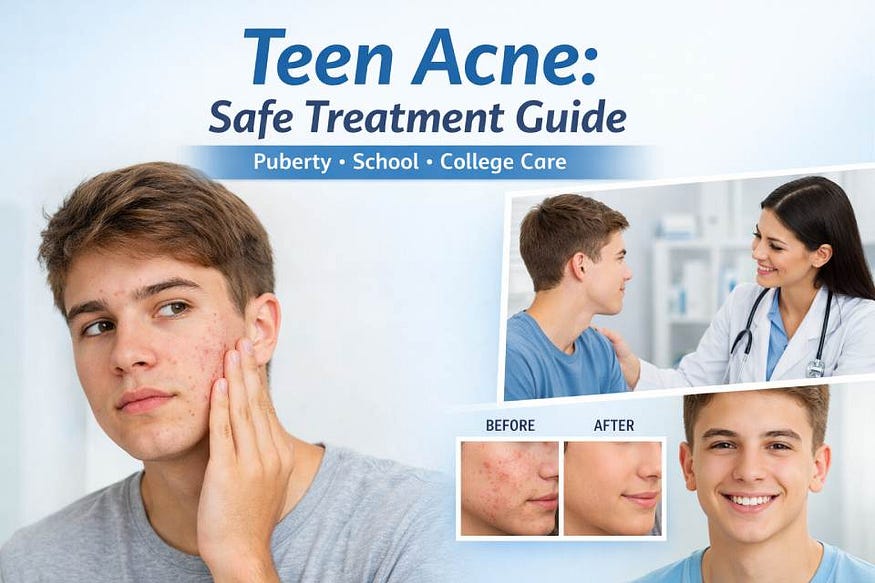
Teen acne is primarily driven by hormonal changes during puberty. Increased androgen levels stimulate oil (sebum) production, which can clog pores and lead to breakouts.
Common contributing factors include:
- Hormonal fluctuations during adolescence
- Excess oil production and clogged pores
- Stress from academics and lifestyle changes
- Use of unsuitable skincare or cosmetic products
This combination often results in blackheads, whiteheads, and inflamed pimples, especially on the face, chest, and back.
The Role of School & College Lifestyle
Teenage routines significantly influence skin health. Irregular schedules, outdoor activities, and stress can worsen acne if not managed properly.
Key triggers include:
- Sweating during sports or outdoor exposure
- Inconsistent skincare habits
- Frequent face touching or picking
- Inadequate cleansing after using cosmetics
These habits can aggravate acne and increase the risk of marks and pigmentation.
A Safe and Structured Approach to Treatment
Managing teen acne requires a balanced and gentle strategy rather than aggressive treatments.
Skincare fundamentals:
- Cleanse twice daily with a mild face wash
- Use non-comedogenic, oil-free products
- Avoid harsh scrubs or over-washing
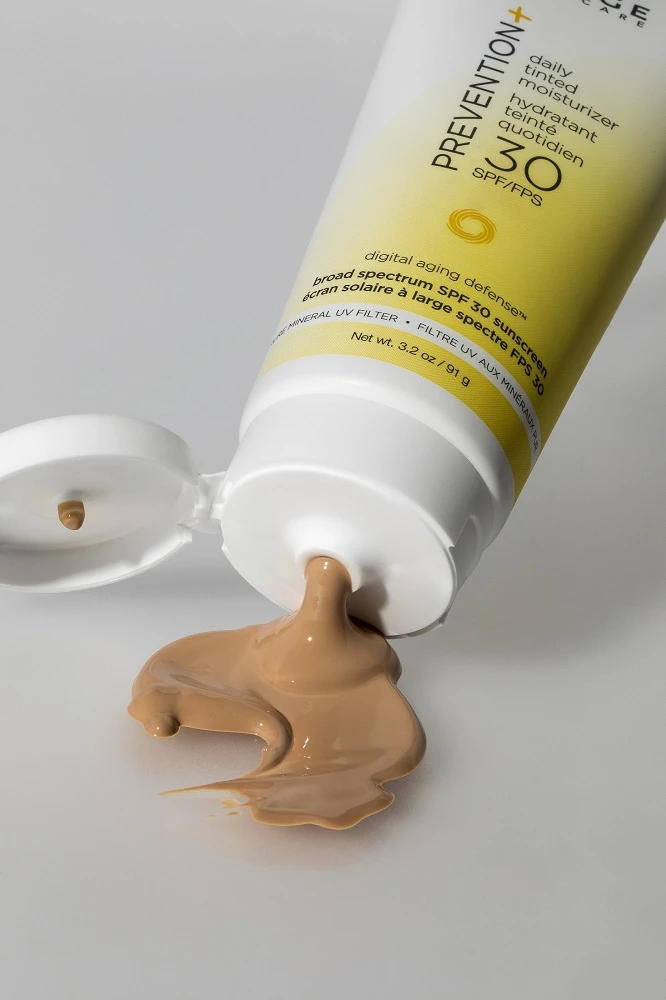
- Apply sunscreen regularly
Medical treatments (if needed): Dermatologists may recommend topical treatments such as retinoids or benzoyl peroxide to control breakouts and reduce inflammation.
For moderate to severe acne, prescription-based treatments may be required to prevent long-term complications.
Why Early Intervention Matters
Delaying treatment can lead to acne marks, pigmentation, and even permanent scarring. Early dermatological guidance ensures that treatment is both safe and effective for developing skin.
Teen acne is highly manageable with the right approach. The focus should be on consistency, correct product use, and avoiding self-medication.
Take the First Step Toward Clear, Healthy Skin
If acne is becoming persistent, painful, or leaving marks, it is important to seek professional guidance early.
At Dr. Asma Skin Clinic, Lucknow, treatment plans are carefully designed to suit teenage skin — ensuring safety, effectiveness, and long-term skin health.
Visit Our Clinic:
Call or WhatsApp: +91–9335312242
Early care can make a significant difference in preventing scars and helping teenagers build confidence with healthy, clear skin.









Sign in to leave a comment.