
Tension headaches are among the most common types of headaches, characterized by a dull, aching pain around the forehead, temples, or the back of the head and neck. They are often caused by stress, muscle tension, poor posture, or fatigue. Fortunately, there are various treatments available to alleviate symptoms and prevent recurrences. In this article, we will explore some of the most effective tension headache treatment options.
Over-the-Counter Medications
One of the first lines of treatment for tension headaches is over-the-counter (OTC) pain relievers. These include:
- Acetaminophen (Tylenol): Effective for mild to moderate headache pain.
- Nonsteroidal Anti-Inflammatory Drugs (NSAIDs): Such as ibuprofen (Advil, Motrin) and aspirin, which help reduce pain and inflammation.
- Combination Medications: Some OTC products combine acetaminophen, aspirin, and caffeine for enhanced effectiveness.
While these medications are usually effective, it’s essential to follow dosage recommendations to avoid side effects or medication overuse headaches.
Lifestyle Modifications
Making lifestyle changes can significantly reduce the frequency and intensity of tension headaches. Consider the following strategies:
- Stress Management: Practice relaxation techniques such as deep breathing, meditation, or yoga.
- Posture Improvement: Maintaining good posture while sitting or standing can reduce muscle strain, especially if you work at a desk for long hours.
- Regular Exercise: Engaging in physical activities helps relieve muscle tension and reduce stress levels.
- Adequate Sleep: Aim for 7-9 hours of restful sleep each night to support overall well-being.
Natural and Home Remedies
Many people find relief from tension headaches using natural methods, including:
- Hot or Cold Compresses: Applying a warm towel to the neck or a cold pack to the forehead can soothe muscle tension.
- Hydration: Dehydration can trigger headaches, so drinking plenty of water is essential.
- Herbal Teas: Chamomile, peppermint, or ginger tea can help relax the body and ease headache pain.
- Massage Therapy: Gently massaging the temples, neck, and shoulders can alleviate muscle tension.
Alternative Therapies
For chronic or severe tension headaches, alternative treatments may provide additional relief:
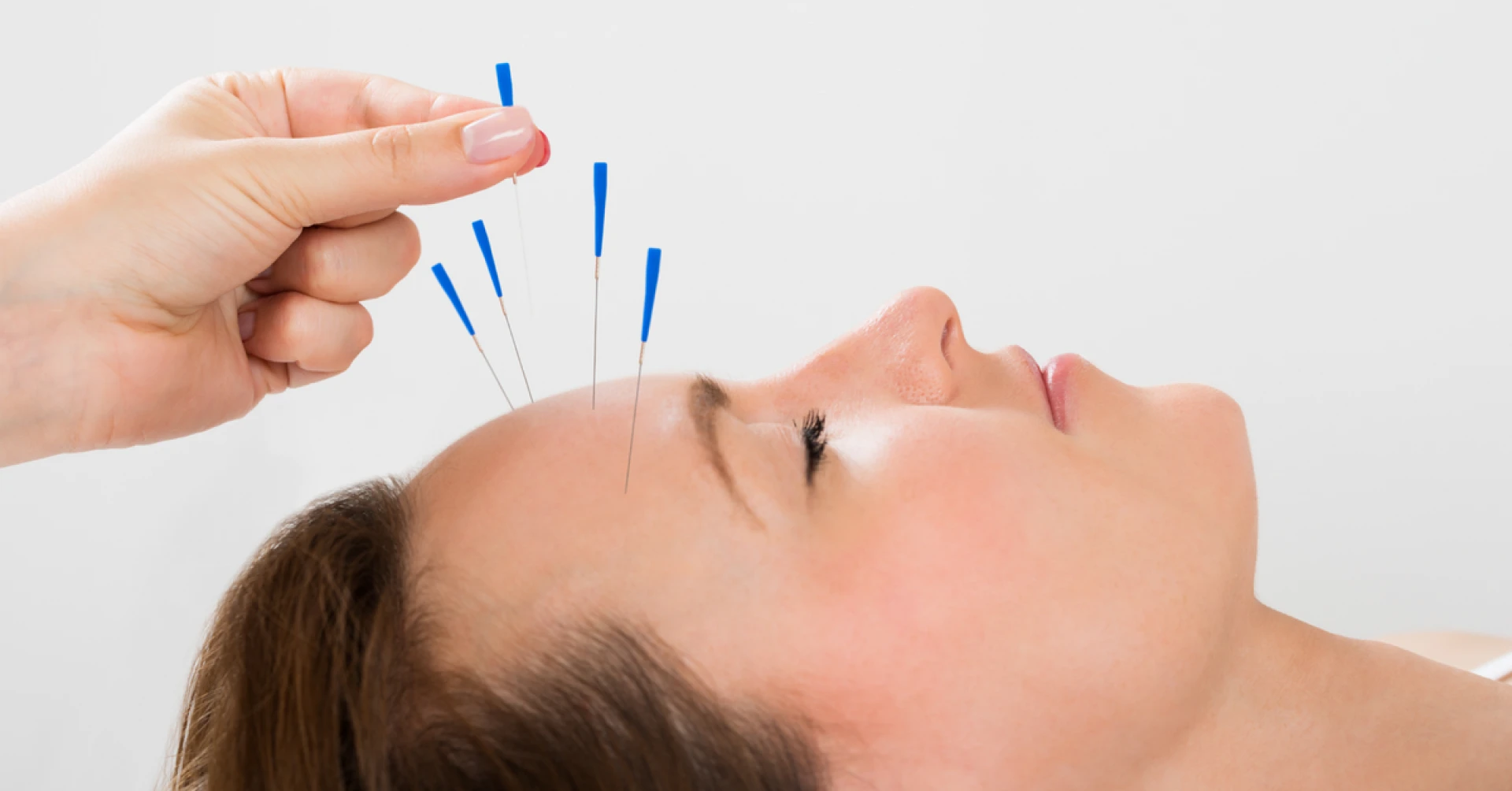
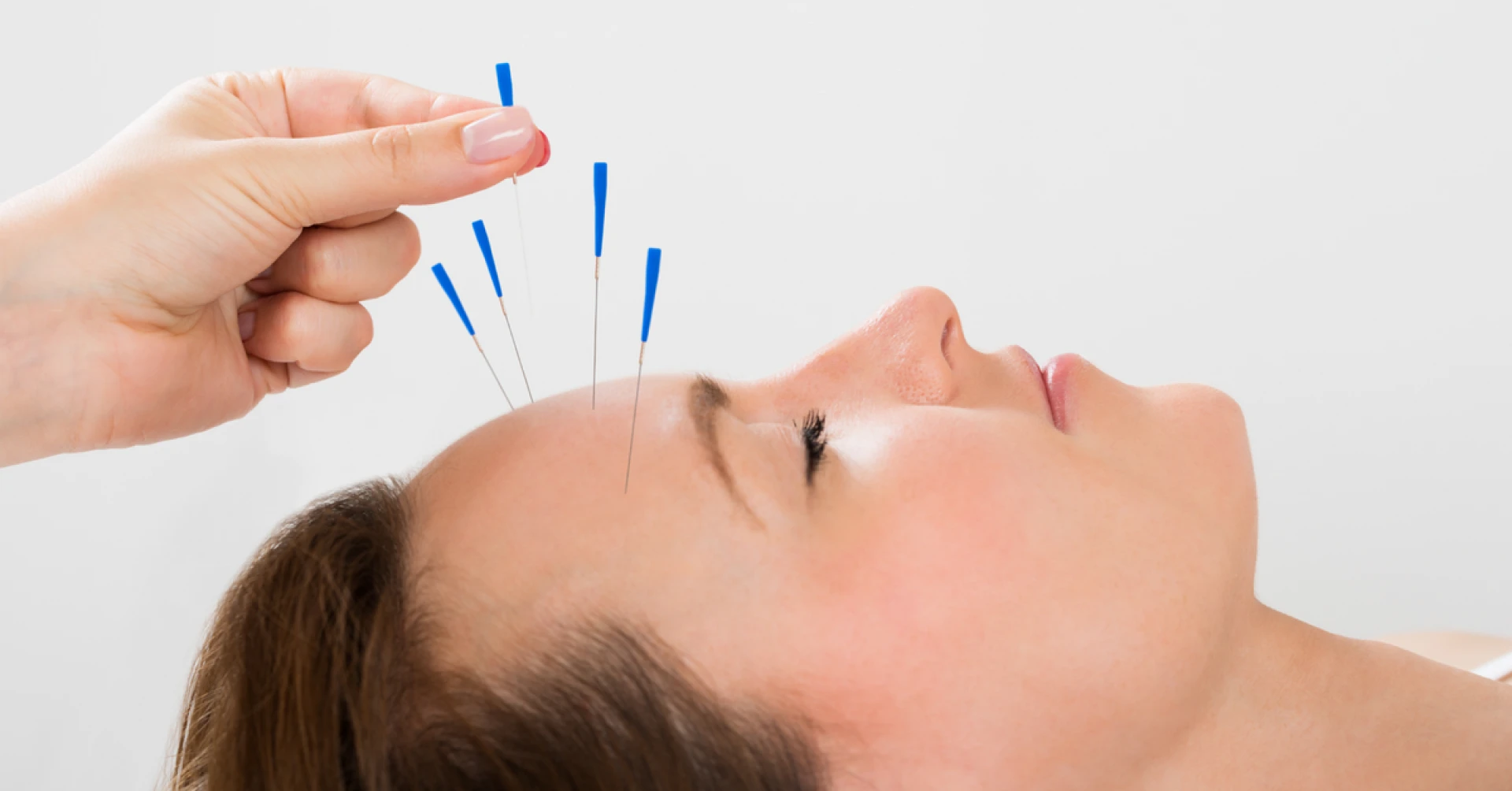
- Acupuncture: This ancient practice helps balance energy flow and reduce headache frequency.
- Chiropractic Care: Adjustments may alleviate tension in the spine and neck.
- Biofeedback: This technique helps people learn how to control physiological responses to stress.
When to Seek Medical Attention
While most tension headaches can be managed at home, it’s important to seek medical advice if:
- Headaches become frequent or severe.
- Pain worsens despite treatment.
- You experience neurological symptoms such as vision changes, confusion, or weakness.
A healthcare provider may recommend prescription medications, physical therapy, or other interventions for chronic tension headaches.

Conclusion
Tension headaches can disrupt daily life, but with the right combination of treatments, relief is achievable. By addressing the root causes and adopting healthy lifestyle habits, you can minimize headache occurrences and improve your quality of life. If headaches persist, consulting a medical professional is essential for proper diagnosis and management.










Sign in to leave a comment.