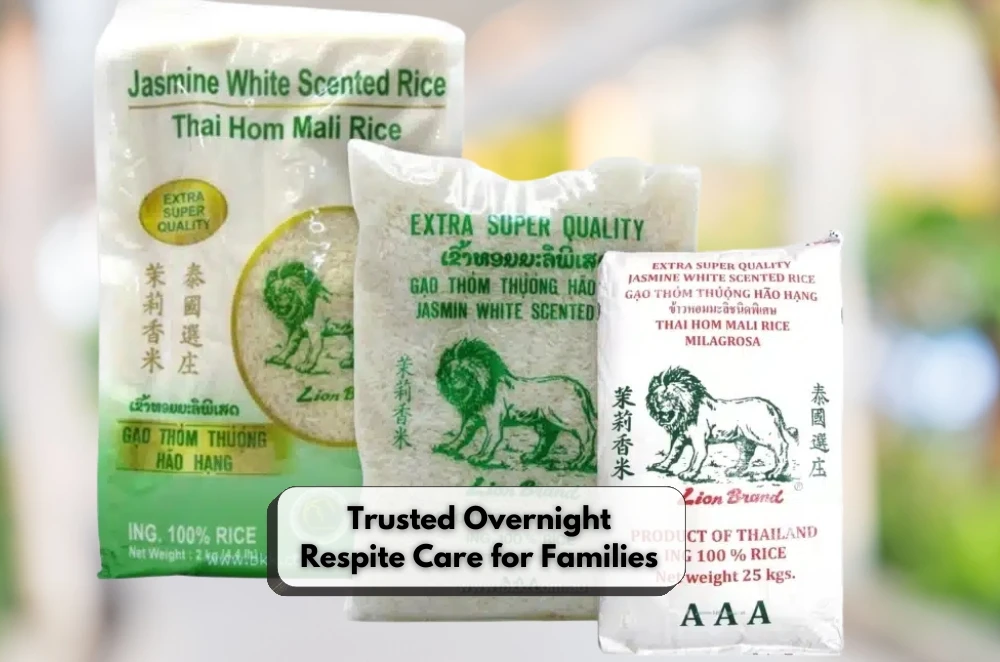

We talk about Thai jasmine rice a lot because it’s not just another pantry filler—it’s the fragrant backbone of so many weeknight wins. What makes it stand out isn’t hype; it’s the balance of aroma, texture, and reliability that chefs and households crave. For retailers, consistency matters even more when demand spikes before holidays or promotional periods. That’s why Retailers rely on jasmine rice wholesale channels for a consistent supply. It sits at the heart of the story: without dependable sourcing, the rice on the shelf isn’t the rice in the pot. And when customers notice irregularity, broken grains, or a dull fragrance, they switch. Sticky issue, literally and figuratively.
What defines authentic Thai jasmine rice?
True Thai jasmine rice (Hom Mali) delivers a pandan-like aroma, long glossy grains, and a soft, separate finish. Anything less is a compromise.
Authenticity begins with the origin and harvest timing, and continues through the milling and moisture control processes. If the chain wobbles at any point, the fragrance fades, and the texture turns mushy or dry. We’ve seen buyers chase discounts that look good on paper but crumble in the pan. That trade-off invites returns, wasted prep time, and a quiet hit to brand trust. Retailers that prioritise proof of origin and seasonality tend to keep repeat customers—because the rice cooks the way families expect.
• Prefer new-crop Hom Mali for aroma
• Check grain length and uniformity
• Verify moisture targets at packing
• Store cool and sealed to protect the scent
In practice, it’s worth scanning certifications and origin claims, then matching them against cooking tests in-store or with supplier samples. Shelf talkers help, but your customers judge with their noses and spoons. Towards that, tasting profiles and apparent labelling cut confusion for a simple understanding of how Australians use Hom Mali day to day.
How should retailers balance price and quality?
Start with landed cost and shrink, then overlay repeat-purchase rates. Cheap rice that doesn’t resell is the most expensive stock you’ll carry.
We weigh three levers: quality tier, pack sizes, and promotional timing. Multi-size ranges allow value shoppers to try 2 kg bags, while loyal buyers can upgrade to 10 kg. Plan promos around seasonal dishes—Lunar New Year, Songkran, winter curries—so the uplift aligns with genuine demand. Keep an eye on carton integrity and pallet handling; crushed corners mean broken grains and dusty shelves. Train staff to rotate stock by harvest year, not just date code, to protect aroma retention over time.
• Offer two quality tiers maximum
• Anchor promos to cultural moments
• Track repeat rate after discounts
• Rotate by harvest, then by date
Where does this leave your category today?
Jasmine rice is one of those quiet heroes—shoppers don’t discuss it much, yet it appears in trolleys week after week. Protect that habit. Start with consistent sourcing, insist on proof of origin, and give customers clear cues on cooking outcomes. Encourage customers to try more miniature packs, then reward their loyalty with competitive pricing on family sizes. Keep the fragrance intact all the way from port to pedestal, and you’ll keep trust intact too. This is where aroma and grain science come into play, making Thai jasmine rice the king.









Sign in to leave a comment.