

Thai massage, known traditionally as "Nuad Bo-Rarn," is a therapeutic practice with roots stretching back over 2,500 years. Unlike many Western massage techniques that focus on the manipulation of muscle tissue through oils and long strokes, Thai massage is an interactive, energy-based modality. It is often described as "lazy man’s yoga," as the practitioner moves the recipient's body into a variety of yoga-like stretches.
The philosophy behind this practice is centered on the concept of "Sen" lines, or energy pathways that run throughout the body. According to traditional Thai medicine, when these pathways become blocked, physical discomfort and emotional stress follow. By applying rhythmic pressure and stretching, the massage aims to clear these blockages and restore the natural flow of energy. Today, this ancient art has become a cornerstone of holistic health, particularly for those seeking a deeper level of relaxation than what a standard Swedish massage might offer.
How Thai Massage Addresses Physical Tension
Modern lifestyles often lead to chronic physical tension, particularly in the neck, shoulders, and lower back. Sitting at a desk for extended periods or repetitive physical labor can cause muscles to shorten and tighten. Thai massage addresses this through a combination of acupressure and assisted stretching.
The practitioner uses their hands, knees, elbows, and feet to apply firm, rhythmic pressure along the energy lines. This pressure helps to soften the fascia—the connective tissue surrounding the muscles—making it easier for the body to release stored tension. Because the treatment is performed on a firm floor mat and the recipient remains fully clothed, the therapist has the leverage needed to perform deep, effective stretches that improve joint mobility and flexibility.
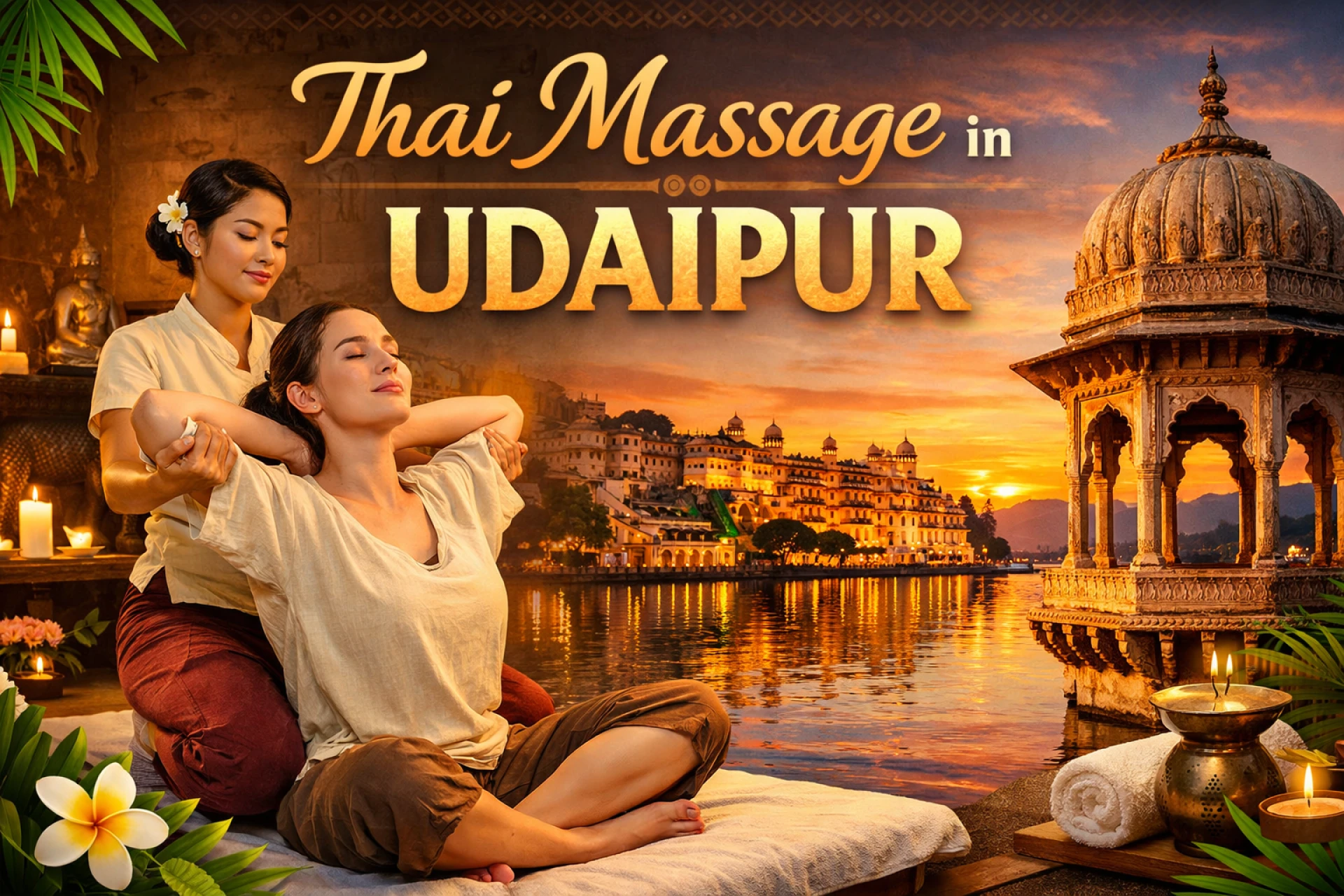
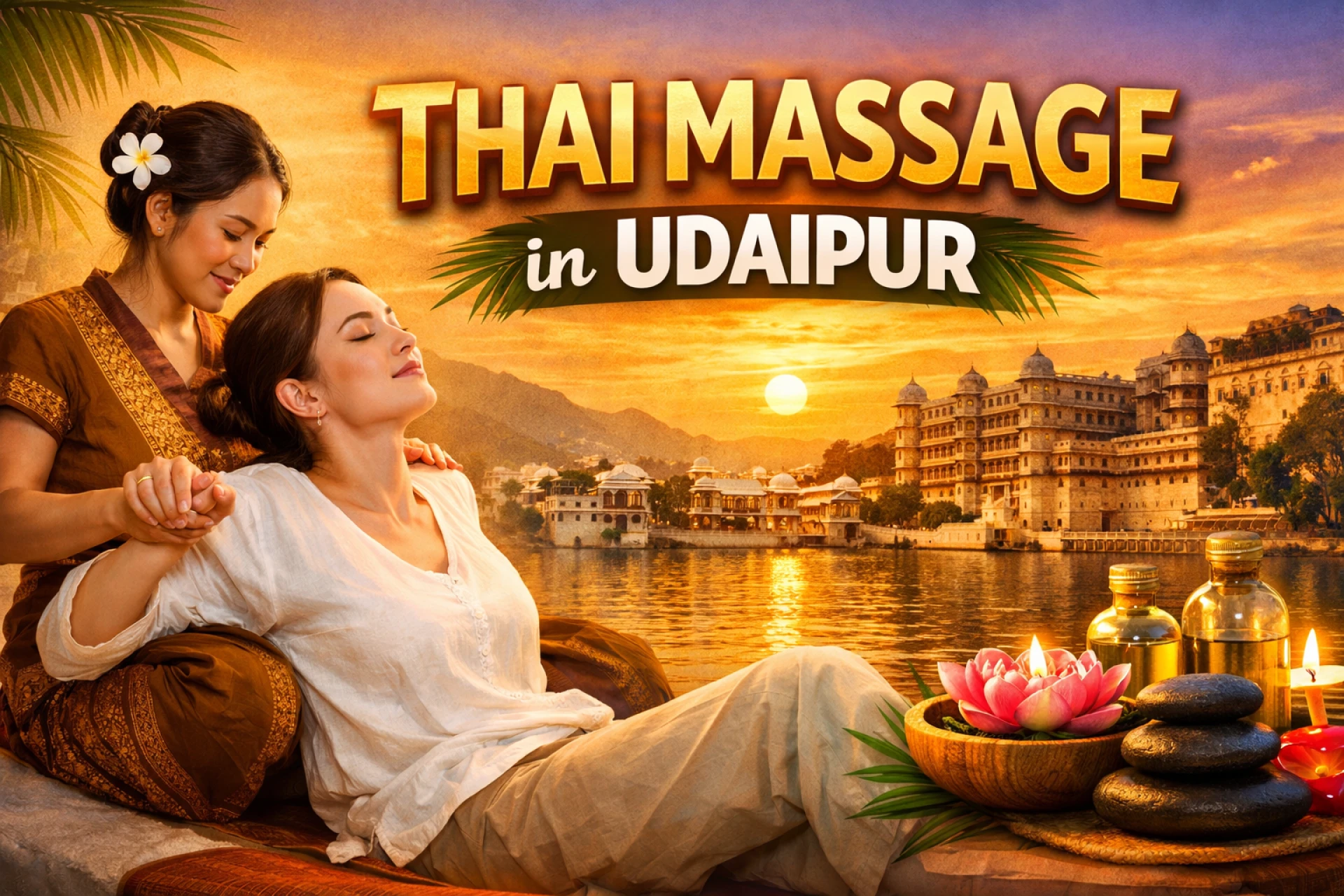
For those living in or visiting Rajasthan, experiencing a traditional thai massage in udaipur provides an authentic way to experience these physical benefits. The focus on spinal alignment and muscle lengthening makes it an ideal choice for athletes or anyone dealing with general stiffness.
The Neurological Impact on Stress Relief
The benefits of Thai massage extend far beyond the physical body. Research into the physiological effects of this practice shows a significant impact on the nervous system. Specifically, the rhythmic nature of the movements helps transition the body from the "fight or flight" sympathetic nervous system to the "rest and digest" parasympathetic nervous system.
When the parasympathetic system is activated, the heart rate slows, blood pressure decreases, and the production of cortisol—the body's primary stress hormone—drops. This shift allows the mind to enter a state of deep calm. Many people report that after a session, they feel a sense of mental clarity and emotional lightness. By reducing the chemical markers of stress, Thai massage acts as a preventative measure against the long-term health issues associated with chronic anxiety, such as insomnia and digestive problems.
Restoring Energy and Mental Balance
One of the unique aspects of Thai massage is that it is often more "energizing" than other forms of bodywork. While a traditional oil massage might leave a person feeling sleepy, Thai massage aims to leave the recipient feeling refreshed and vitalized. This is due to the focus on unblocking energy lines and improving circulation.
As the practitioner stretches the limbs and applies pressure, blood flow is stimulated throughout the body. This increased circulation helps to flush out toxins and deliver fresh oxygen to the tissues. This revitalizing effect is a key reason why many choose Gurutava Wellness Spa for their recovery needs. The combination of ancient techniques and a serene environment allows individuals to reset both their bodies and minds.
When searching for the best spa in udaipur, it is important to look for places that honor these traditional methods. Gurutava Wellness Spa prides itself on maintaining the integrity of these ancient practices, ensuring that every session is tailored to the individual's specific points of tension.
Thai Massage and Modern Wellness
In the contemporary world, the integration of ancient wisdom and modern science has made Thai massage more relevant than ever. It is no longer viewed merely as a luxury or a vacation treat, but as a functional tool for maintaining health. Doctors and physical therapists often recommend it as a complementary therapy for managing tension headaches and improving posture.
Because Thai massage is a full-body experience, it encourages a sense of body awareness. Recipients become more mindful of where they hold their stress, allowing them to make lifestyle adjustments to prevent tension from returning. This mindfulness, combined with the physical release provided by the therapist, creates a comprehensive approach to wellness that is difficult to replicate with other treatments.
Conclusion: A Holistic Path to Peace
Thai massage offers a multi-dimensional approach to health that addresses the physical, emotional, and energetic aspects of the human experience. By combining deep stretching, rhythmic pressure, and a focus on energy flow, it provides a powerful antidote to the stressors of modern life. Whether the goal is to alleviate a specific physical ailment or simply to find a moment of peace in a busy world, this ancient practice remains one of the most effective methods for total body restoration.
At Gurutava Wellness Spa, the focus is always on the guest's journey toward balance. By incorporating Thai massage into a regular self-care routine, individuals can enjoy a higher quality of life, marked by greater flexibility, lower stress levels, and a renewed sense of energy.









Sign in to leave a comment.