
A burst pipe will get your attention immediately, but what about a small, slow leak hidden inside your walls or under your flooring? These “quiet” leaks often go unnoticed for weeks or months, yet they can cause thousands of dollars in damage before you even realize something is wrong. For homeowners in Farmingdale and surrounding Long Island communities, learning how to spot the subtle signs of hidden leaks is essential.
When it comes to leaks, early detection is the key to prevention, and professional help is often the difference between a quick fix and a major repair bill.
Why Hidden Leaks Are So Dangerous
Unlike clogged sinks or running toilets, hidden leaks don’t create obvious disruptions. Instead, they quietly weaken your plumbing system, damage your home’s structure, and encourage mold growth. Left unchecked, a small pinhole leak can turn into a pipe replacement project costing thousands.
For example, residential plumbing in Farmingdale homes often includes older copper or galvanized pipes. These materials are more prone to corrosion, which can lead to slow leaks over time. That’s why routine inspections and preventive maintenance matter.
Common Signs You May Have a Hidden Leak
You don’t need advanced tools to spot the warning signs of a hidden leak. Stay alert to these common indicators:
· Unexplained increases in your water bill
· Musty odors in basements or bathrooms
· Water stains on walls, ceilings, or flooring
· Bubbling paint or peeling wallpaper
· Constant sound of running water even when fixtures are off
If you notice one or more of these signs, it’s time to call in a licensed professional.
Affordable Solutions for Long Island Homeowners
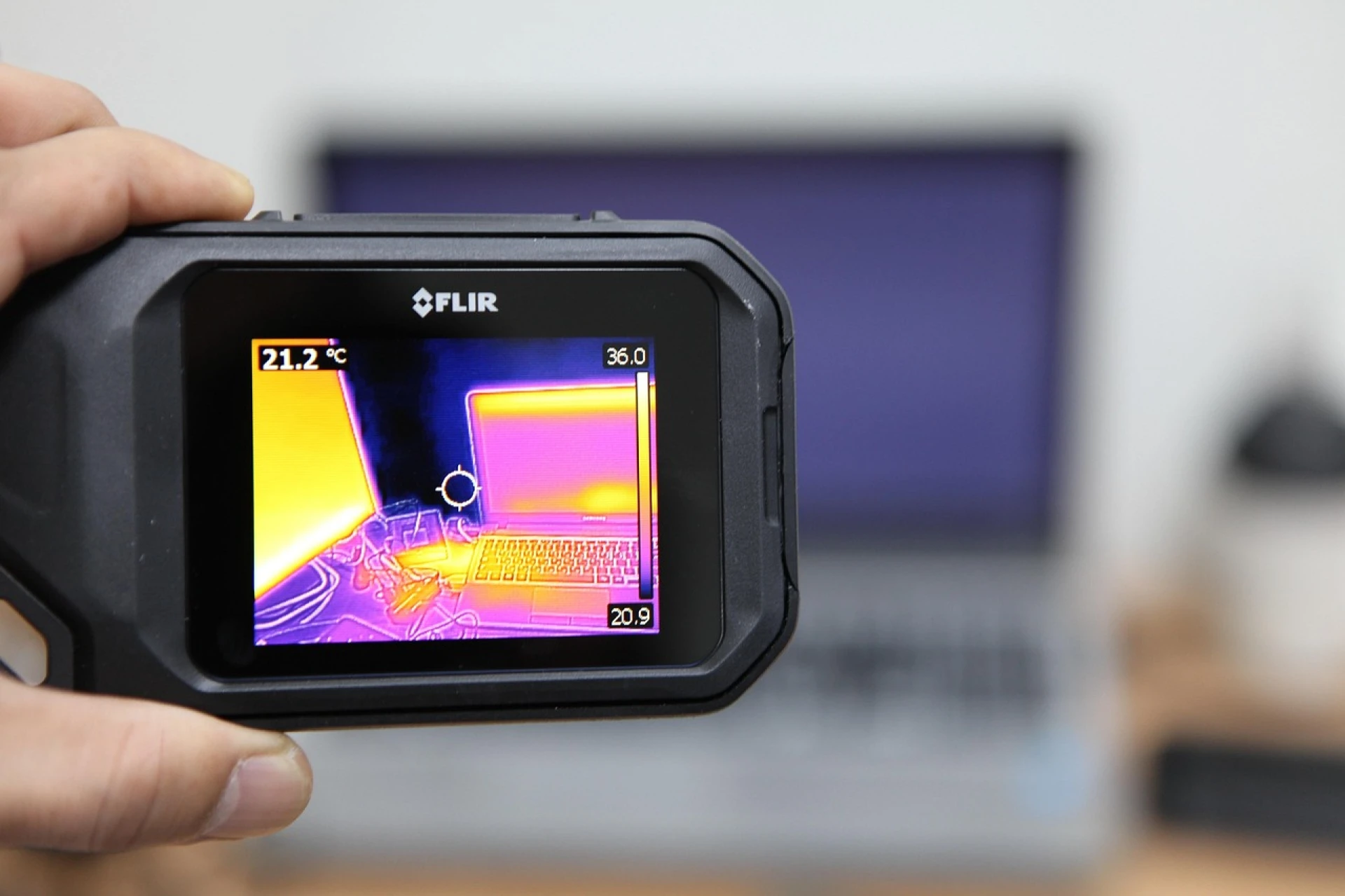
Repairing leaks doesn’t always mean tearing apart walls. Professional plumbers now use specialized leak detection equipment, such as thermal imaging and acoustic sensors, to pinpoint the exact source of water loss. This minimizes disruption and reduces repair costs.
Homeowners in Suffolk and Nassau counties benefit from plumbers who combine modern technology with proven solutions like clogged drain cleaning or sewer and drain cleaning. These services not only fix immediate issues but also help prevent future leaks by keeping your system free of buildup.
For larger jobs, such as commercial sewer repair, the same technology ensures problems are solved quickly and effectively without unnecessary digging or guesswork.
Prevention Through Maintenance
Hidden leaks are often the result of long-term neglect. Routine maintenance is your best defense. Consider scheduling annual inspections to check for worn fittings, slow drains, and early signs of corrosion.
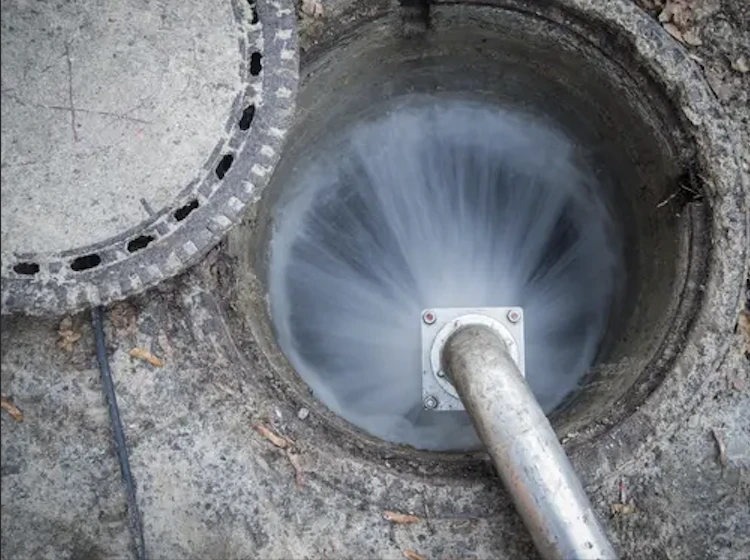
For example, hydro jetting services in nearby Babylon can help remove grease and debris that stress your pipes over time. And when paired with affordable plumbing repairs, homeowners can keep repair bills low while extending the lifespan of their plumbing systems.
Take Action Before It’s Too Late
Don’t wait for a burst pipe or water-damaged ceiling to take plumbing seriously. Detecting and repairing hidden leaks early protects your property, your health, and your wallet.
For Farmingdale residents and homeowners across Long Island, the smartest step is to work with a trusted local professional. Companies like J&B Drain Cleaning and Plumbing Service provide full inspections, comprehensive plumbing services, and 24/7 availability for emergencies.
If you suspect a hidden leak or need routine maintenance, schedule an appointment today with their team of licensed experts. Protect your home, save money, and enjoy peace of mind by contacting them directly.













Sign in to leave a comment.