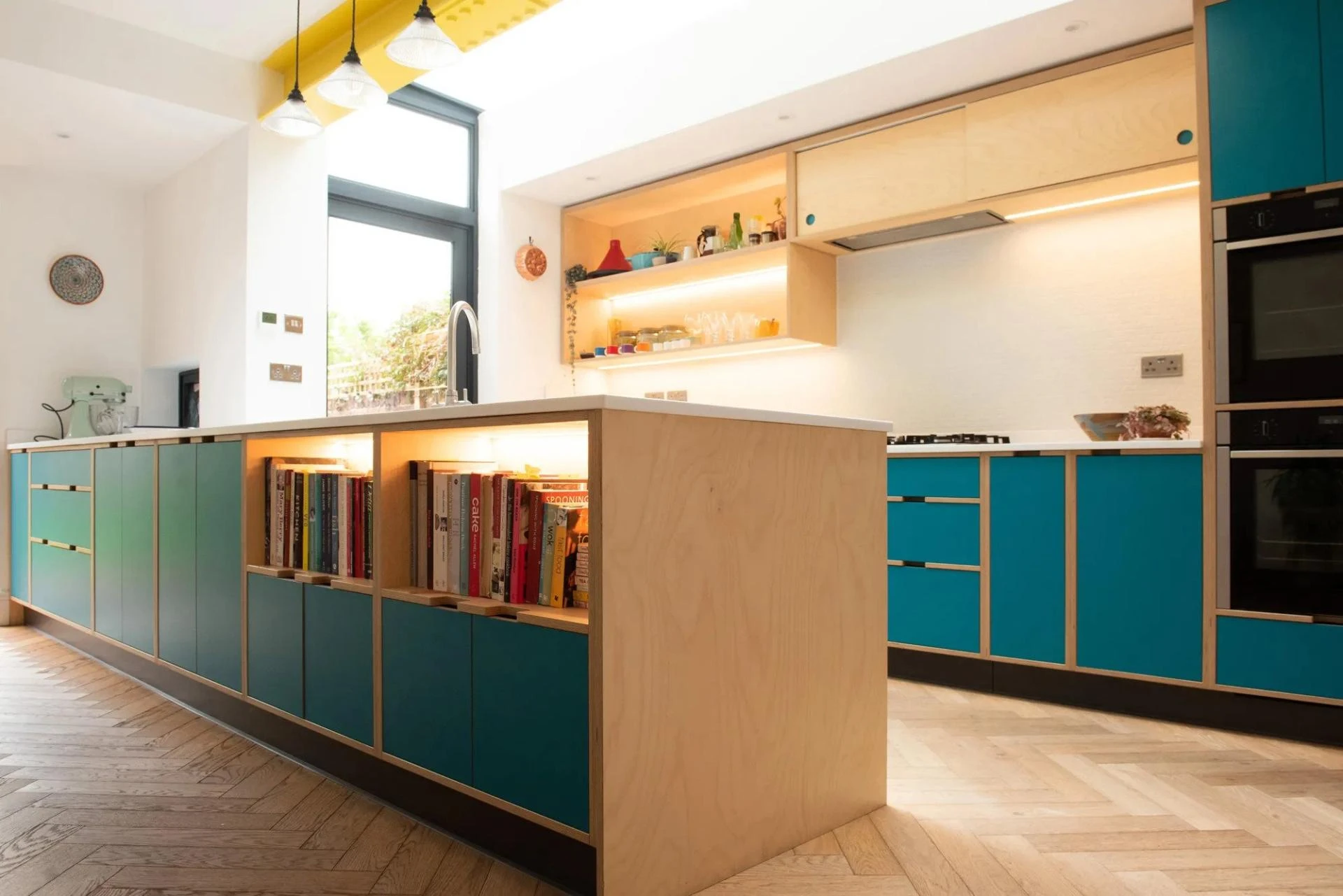

In the realm of home design, kitchens have a special place. They are not just spaces for meal preparation but the heart of a home, where culinary dreams take shape and memories are born. When it comes to kitchen design, nothing quite compares to the timeless elegance and individuality offered by bespoke kitchen design and the use of real wood. In this comprehensive guide, we will delve into the world of bespoke kitchen design and explore the beauty, functionality, and environmental benefits of real wooden kitchens. Join us as we embark on a journey through the art of creating truly unique culinary spaces.
The Essence of Bespoke Kitchen Design
1. Unveiling the Customization
Bespoke kitchen design is all about creating a space that reflects your unique taste, needs, and lifestyle. Unlike off-the-shelf solutions, bespoke kitchens offer unlimited customization possibilities, making every aspect of your kitchen truly one-of-a-kind. From cabinet styles and materials to the layout and color scheme, you have the power to shape your dream kitchen.
2. Maximizing Space Efficiency
One of the key benefits of bespoke kitchen design is the ability to optimize space utilization. Experienced designers can work with your kitchen's layout, no matter how challenging, to maximize storage and functionality. Custom-built cabinets, islands, and clever storage solutions ensure that every inch of your kitchen is used efficiently.
3. High-Quality Craftsmanship
Craftsmanship is at the heart of bespoke kitchen design. Skilled artisans and craftsmen meticulously create every element of your kitchen, resulting in a level of quality and durability that surpasses mass-produced options. This attention to detail is particularly evident in the choice of materials.
4. The Beauty of Real Wood
Exploring Real Wood in Bespoke Kitchen Design
1. The Warmth of Wooden Surfaces
Real wood brings a unique warmth and character to a kitchen. Its natural grains and colors create an inviting and cozy atmosphere, making it a perfect choice for a room often considered the heart of the home. Whether you prefer the richness of walnut or the subtlety of maple, there is a wood species to suit your style.
2. Environmental Sustainability
Real wooden kitchens can be an eco-conscious choice. Many wood sources are responsibly managed and harvested, making them a renewable and sustainable option. Choosing certified wood can help reduce your kitchen's environmental footprint.
3. Durability and Longevity
Wooden kitchens are known for their durability. With proper care and maintenance, they can withstand the test of time and continue to look stunning for decades. Unlike synthetic materials, wood develops character over the years, adding to the unique charm of your kitchen.
4. Flexibility in Design
The versatility of wood is unparalleled. It can be stained, painted, or left in its natural state, allowing you to create a kitchen that matches your preferred aesthetic. Furthermore, wood can be combined with other materials to achieve a truly bespoke look.
The Bespoke Kitchen Design Process
1. Consultation and Planning
The journey to a bespoke kitchen begins with an in-depth consultation with your designer. This is where you express your vision, discuss your needs, and outline your budget. The planning phase involves creating a design that incorporates both your preferences and the practical aspects of your space.
2. Material Selection
Choosing the right materials is a crucial step. In the case of real wood, you can select from a variety of wood species, each with its unique qualities. The choice of wood will influence the overall look and feel of your kitchen.
3. Custom Cabinetry and Storage
Cabinets are the backbone of any kitchen, and in bespoke kitchen design, they are tailored to your precise requirements. This ensures that every pot, pan, and utensil has its place, contributing to a clutter-free and functional space.
4. Handcrafted Details
Artisans bring the design to life, meticulously crafting each element of your kitchen. This includes the construction of cabinets, doors, and any intricate design elements you desire, such as carved detailing or inlaid patterns.
5. Installation and Completion
Once the components are ready, the installation process begins. Experienced professionals ensure that every piece fits perfectly, and the finishing touches, such as handles and countertops, are added. The result is a kitchen that's not just functional but a work of art.
The Sustainability of Real Wooden Kitchens
1. Responsible Wood Sourcing
When choosing real wood for your bespoke kitchen, inquire about the source of the wood. Many responsible manufacturers obtain their wood from sustainable forests and adhere to eco-friendly practices.
2. Reduced Carbon Footprint
The production of real wooden kitchens components typically has a lower carbon footprint compared to the manufacturing of synthetic materials. Wood is a renewable resource that stores carbon, making it an environmentally friendly choice.
3. Longevity and Reduced Waste
Real wood kitchens are built to last. This longevity means fewer replacements and less waste, contributing to a more sustainable approach to kitchen design.
4. Reclaimed and Salvaged Wood
For a truly eco-conscious option, consider using reclaimed or salvaged wood in your bespoke kitchen. This not only reduces the demand for new wood but also gives old wood a new lease on life.
The Elegance of Real Wood in Kitchen Design
1. Classic and Timeless
The beauty of real wood is timeless. It can adapt to various design styles, from traditional to contemporary, and always retains its elegance.
2. Aesthetic Versatility
Wood offers a broad range of aesthetics, from the rich, dark tones of mahogany to the light and airy feel of oak. This versatility allows you to create a kitchen that matches your personal taste.
3. Natural Texture
Wood's natural texture adds depth and character to your kitchen. Its unique grain patterns and imperfections make every piece distinct, ensuring that your kitchen is truly one of a kind.
4. Cozy and Inviting Atmosphere
The warmth of wood enhances the comfort and coziness of your kitchen, making it a welcoming space for both cooking and gathering.
Maintaining Your Real Wooden Kitchen
1. Cleaning and Care
Regular cleaning with a soft, damp cloth is usually sufficient for maintaining wooden surfaces. Avoid harsh chemicals or abrasive materials that may damage the finish.
2. Oiling and Refinishing
Over time, wood surfaces may benefit from re-oiling or refinishing. This helps maintain their luster and protects the wood from wear and tear.
3. Preventing Water Damage
To prevent water damage, wipe up spills promptly and use coasters or mats under items that may release moisture.
4. Enjoying the Patina
As wood ages, it develops a beautiful patina, adding to its character. Embrace these changes as part of the natural charm of your kitchen.
Selecting the Right Wood Species
Choosing the right wood species for your bespoke kitchen is a crucial decision. Different woods offer various characteristics and aesthetics. Here are a few popular options:
1. Oak: Known for its durability and versatility, oak is a timeless choice that can suit various design styles. It features prominent grain patterns and a range of shades, from light to dark.
2. Maple: A lighter wood with a subtle grain, maple provides a clean and contemporary look. It's a great choice for those who prefer a minimalist design.
3. Cherry: Cherry wood is admired for its rich, reddish-brown color and elegant grain patterns. It exudes warmth and sophistication, making it ideal for traditional kitchens.
4. Walnut: Dark and luxurious, walnut is perfect for adding a touch of opulence to your kitchen. Its deep color and distinctive grain create a sense of drama and depth.
5. Pine: If you prefer a more rustic or country-style kitchen, pine is a charming option. It has a light, knotty appearance that brings a sense of simplicity and charm.
The Cost of Bespoke Kitchen Design
Bespoke kitchens are known for their quality and craftsmanship, but they often come with a higher price tag than off-the-shelf alternatives. The cost of your bespoke kitchen will depend on several factors:
1. Size and Layout
The size and layout of your kitchen have a significant impact on the cost. Larger kitchens with more complex designs will generally cost more.
2. Choice of Materials
The choice of wood and other materials, such as countertops and hardware, will influence the cost. Exotic or rare wood species are typically more expensive than common ones.
3. Design Complexity
Intricate design elements, such as custom carvings or ornate detailing, will increase the cost of your bespoke kitchen.
4. Appliances and Accessories
The inclusion of high-end appliances and accessories can add to the overall cost. It's essential to balance your desires with your budget.
5. Labor and Installation
Skilled labor and installation are vital to achieving the desired results. Quality craftsmanship often comes at a premium price.
Finding the Right Designer and Craftsman
To bring your bespoke kitchen to life, you'll need a skilled designer and craftsmen. Here's how to find the right team:
1. Research and Recommendations
Start by researching local kitchen designers and craftspeople. Ask friends and family for recommendations and read online reviews.
2. Portfolio and Experience
Review the portfolios of potential designers and craftsmen to see if their style aligns with your vision. Ensure that they have experience in creating bespoke kitchens.
3. Consultation and Communication
Schedule consultations with a few potential designers to discuss your ideas and expectations. Effective communication is key to ensuring your vision is understood.
4. Budget Alignment
Discuss your budget with potential designers. A skilled professional can help you make informed choices to achieve your desired look within your budget.
5. References and Testimonials
Ask for references and testimonials from past clients to get a sense of the quality of work and customer satisfaction.
Conclusion: A Kitchen as Unique as You
Bespoke kitchen design and the use of real wood offer a world of possibilities when it comes to creating a kitchen that's not only functional but a true work of art. From customization to sustainability, the advantages are manifold, and the result is a space that reflects your individuality and enhances your lifestyle. By investing in a bespoke kitchen with real wood elements, you not only create a beautiful culinary space but also contribute to the enduring charm of your home.
Embrace the warmth, character, and elegance of real wood, and embark on the journey of crafting a kitchen that is as unique as you are. With the right team of designers and craftsmen, your culinary dreams can come to life in a bespoke kitchen that's both practical and a work of art.
Remember that your kitchen is a canvas for your creativity and an oasis for your culinary adventures. Choose bespoke kitchen design with real wood, and savor every moment spent in this extraordinary space.
Sign in to leave a comment.