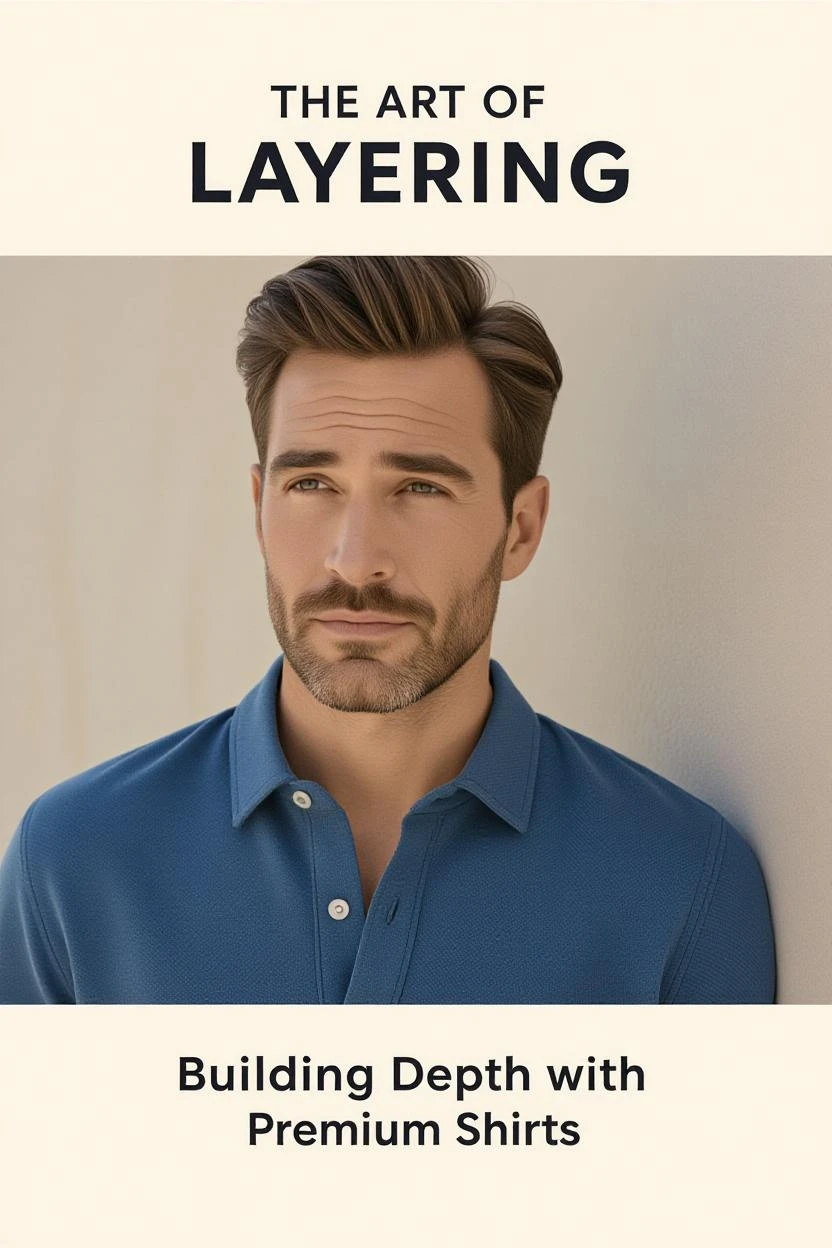
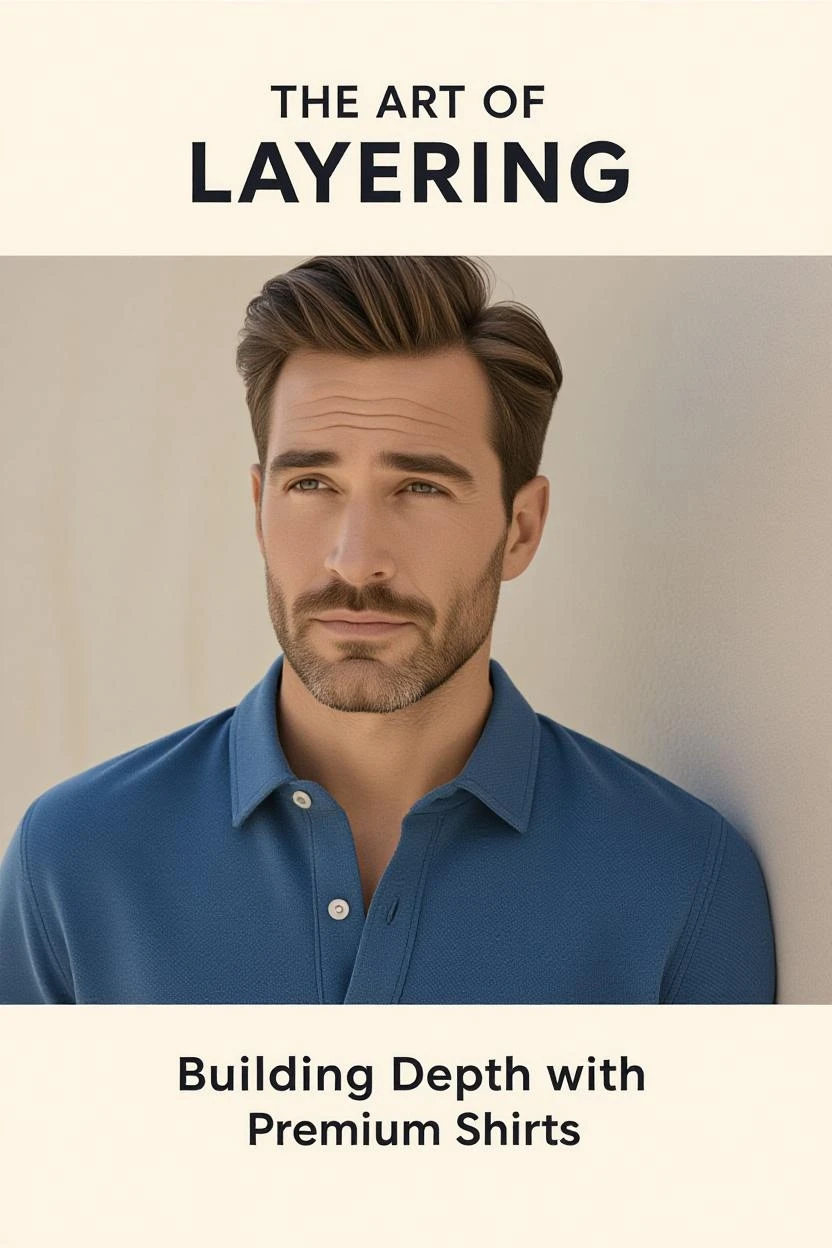
Layering isn’t just about staying warm; it’s the cornerstone of sophisticated menswear. It’s a creative language that allows you to express individuality, adapt to changing environments, and elevate even the simplest outfits into curated ensembles. At the heart of this art lies the premium shirt—a versatile canvas that anchors your look and adds depth. In this comprehensive guide, we’ll explore how formal shirts for men serve as the foundational layer for building dimension, texture, and timeless style. From decoding fabric choices to mastering seasonal strategies, you’ll learn why investing in quality shirts and understanding their role in layering is the ultimate skill for the modern, discerning man.
Why Layering Matters: More Than Just Practicality
Layering transforms clothing from mere garments into a dynamic expression of personal style. Its importance spans aesthetics, functionality, and psychology:
- Visual Interest: A single layer can look flat, but multiple layers create depth through color, texture, and silhouette. According to a 2022 GQ study, 74% of style experts cite layering as the key to making an outfit appear "expensive" and intentional.
- Adaptability: Layering lets you navigate unpredictable weather—adding or removing pieces as temperatures shift—without sacrificing style.
- Confidence Boost: A well-layered outfit communicates thoughtfulness and attention to detail, enhancing perceived competence. A 2019 Harvard Business Review article linked "thoughtful dressing" to increased professional credibility.
- Sustainability: By mixing and matching fewer high-quality pieces, you reduce consumption. The Ellen MacArthur Foundation reports that extending a garment’s life by just 9 months reduces its environmental footprint by 20-30%.
In essence, layering is the art of curation. It turns a collection of shirts, sweaters, and jackets into a cohesive wardrobe narrative.
Foundational Principles: The Rules of Effective Layering
Before we dive into shirts, master these core principles:
- Fit is Non-Negotiable:
- Each layer should fit well independently, but also work together. A bulky sweater under a slim blazer, for example, creates imbalance.
- Pro Tip: Ensure seams align at the shoulders, and sleeves allow for ¼–½ inch of the shirt cuff to peek out.
- Color Harmony:
- Stick to a cohesive palette. Neutrals (navy, grey, charcoal, white, beige) form a versatile base. Add one accent color per outfit.
- Use the "60-30-10 rule": 60% dominant color, 30% secondary, 10% accent.
- Texture and Fabric Contrast:
- Combine different textures to add depth: e.g., a smooth cotton shirt under a nubby wool sweater.
- Avoid matching fabrics (e.g., two shiny materials) to prevent a flat appearance.
- Proportion and Length:
- Longer layers (like a blazer) should fall over shorter ones (like a waist-length sweater).
- Tuck in shirts to define the waist when layering with mid-layers.
- Function Dictates Order:
- Base layers (e.g., tees, thermals) sit closest to the skin.
- Mid-layers (e.g., shirts, sweaters) add warmth and texture.
- Outer layers (e.g., jackets, coats) provide protection and polish.
The Role of Premium Shirts: Your Layering Anchor
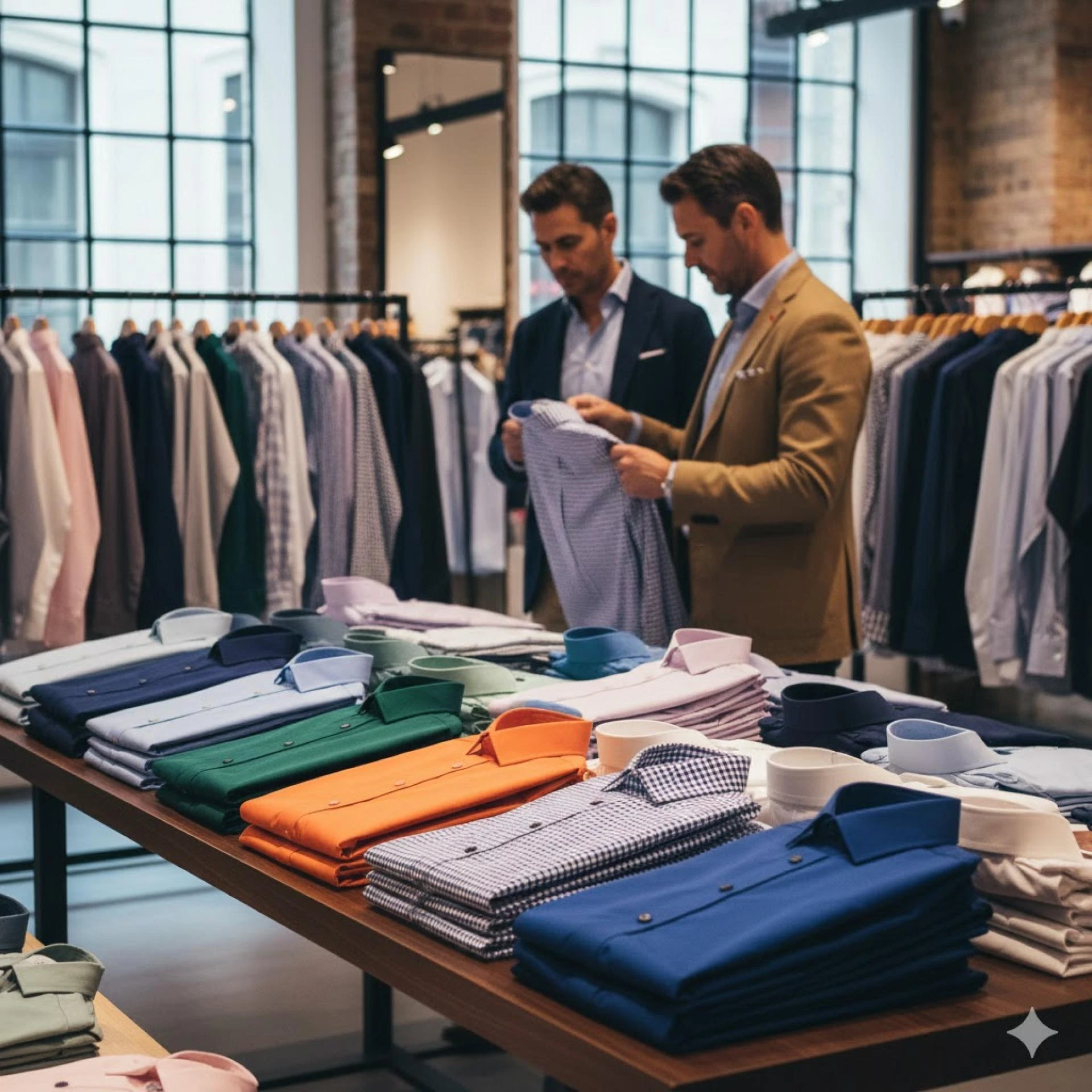
Formal shirts for men are the unsung heroes of layered outfits. They provide structure, color, and texture that influence every subsequent layer. Here’s why they’re indispensable:
- Versatility: A well-chosen shirt can be dressed up (under a suit) or down (over a tee with jeans).
- Breathability: Natural fabrics like cotton and linen regulate temperature, making them ideal for year-round layering.
- Durability: High-quality shirts resist pilling and fading, maintaining their appearance through repeated wear.
- Foundation for Creativity: Stripes, checks, or subtle weaves add visual interest without overwhelming.
Types of Premium Shirts for Layering: A Fabric and Style Guide
Not all shirts layer equally. Choose based on weight, texture, and formality:
Shirt Type: Best For Fabric Properties Layering TipsPoplin Dress Shirt: Formal settings: Smooth, lightweight, crisp drape. Ideal under sweaters or blazers; tuck in for polish Oxford Cloth Button-Down (OCBD) Smart-casual: Textured, durable, mid-weight Wear open over a tee or buttoned under a sweater. Flannel Shirt: Casual/cool weather Soft, brushed, warm Perfect mid-layer over a tee or under a vest Chambray Transitional seasons Lightweight, denim-like weave Paired well with sweaters or unstructured blazersLinen Shir Warm weather Breathable, textured, relaxed drape Wear unbuttoned over a tank or as a base under a light blazer
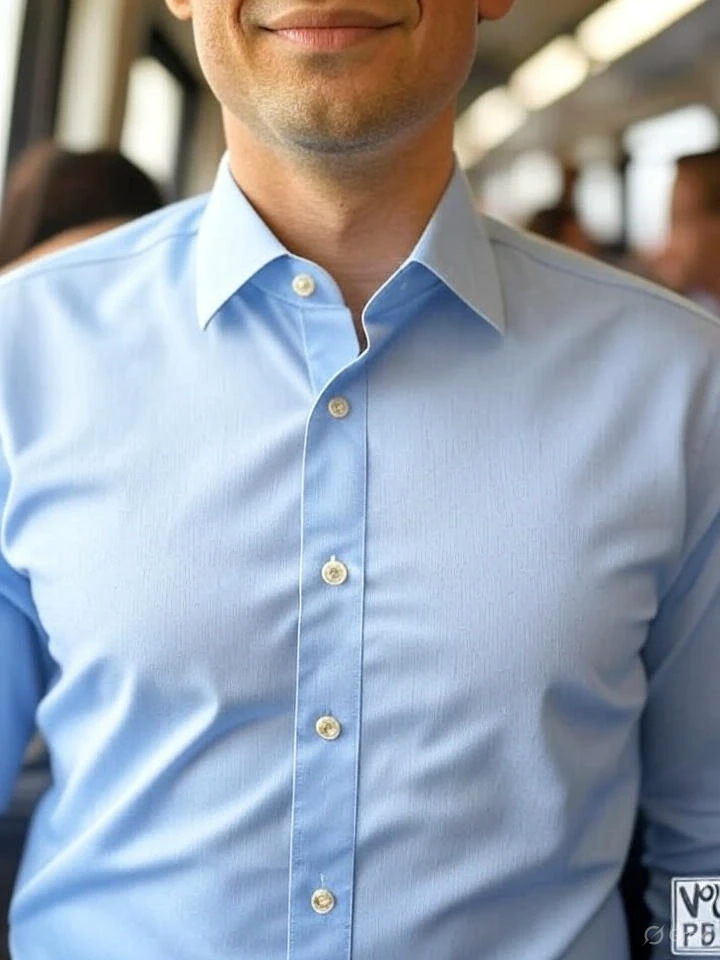
Pro Tip: For formal occasions, a crisp white or light blue poplin shirt is non-negotiable. Its simplicity allows louder layers (like a patterned blazer) to shine without clashing.
Mastering Layering Techniques: Step-by-Step
Base Layer: The Shirt as Foundation
Start with a premium shirt. For maximum versatility:
- Choose a neutral color (white, light blue, grey).
- Ensure the fit is tailored but not restrictive.
- Data Point: A 2021 Esquire survey found that 68% of women perceive men in well-fitted dress shirts as more confident and trustworthy.
Mid-Layer: Adding Depth and Warmth
- Sweaters:
- V-necks and crewnecks work best over button-downs. Allow ½ inch of shirt cuff to show.
- Chunky knits add texture; fine merino wool offers sleek warmth.
- Vests:
- Wear over a shirt for a touch of formality without bulk.
- Ideal for transitional weather.
- Shirt as Mid-Layer:
- Unbutton a flannel or chambray shirt over a tee for a relaxed, dimensional look.
Outer Layer: The Finishing Touch
- Blazers:
- Pair with a dress shirt for instant polish. Opt for unstructured styles for a modern twist.
- Jackets:
- Denim jackets or field jackets add edge when layered over a button-down.
- Coats:
- In winter, top with a wool overcoat or parka. Ensure the shirt’s collar sits neatly inside the coat collar
Seasonal Layering Strategies
- Winter:
- Base: Thermal tee or long-sleeve merino shirt.
- Mid: Flannel shirt or chunky sweater.
- Outer: Puffer vest or wool coat.
- Data Point: The global wool market, driven by demand for sustainable layers, is projected to reach $48.2 billion by 2028 (Grand View Research, 2023).
- Spring/Autumn:
- Base: Lightweight cotton shirt (e.g., poplin or chambray).
- Mid: Unstructured blazer or denim jacket.
- Optional: Scarf for texture.
- Summer:
- Base: Linen shirt (wear untucked over shorts or swim trunks).
- Mid: None needed, or a light cotton sweater for evenings.
- Pro Tip: Roll up shirt sleeves to regulate heat and add a relaxed vibe.
Avoiding Common Layering Pitfalls
- The Bulk Trap: Too many thick layers create a boxy silhouette. Balance with slimmer fits underneath.
- Color Overload: Stick to a maximum of three colors per outfit.
- Sleeve Soup: Ensure each layer’s sleeves are visible by ½–1 inch, graded from inner to outer.
- Over-Accessorizing: Let the layers speak. A simple watch or bracelet suffices.
- Ignoring Fabrics: Avoid synthetics like polyester, which trap heat and lack breathability. Opt for natural fibers like cotton, wool, and linen.
Building a Sustainable Capsule Wardrobe for Layering
A capsule wardrobe maximizes versatility while minimizing waste. Focus on quality over quantity:
- Essential Shirts:
- 1–2 formal shirts (white, light blue)
- 1 oxford cloth button-down (navy or white)
- 1 flannel shirt (charcoal or olive)
- 1 chambray shirt
- 1 linen shirt (for summer)
- Mid-Layers:
- 1 merino wool sweater (crewneck or V-neck)
- 1 versatile vest
- Outer Layers:
- 1 unstructured blazer
- 1 denim jacket
- 1 wool overcoat (for winter)
With 10–12 pieces, you can create 30+ outfits. Prioritize brands with ethical certifications (e.g., B Corp, Fair Trade) like Patagonia, Eileen Fisher, or Nudie Jeans.
Caring for Your Investment: Shirt Longevity Tips
Premium shirts demand premium care:
- Washing:
- Machine wash in cold water with a gentle, eco-friendly detergent.
- Turn shirts inside out to protect buttons and prevent fading.
- Data Point: According to the Textile Rental Services Association, cold washing extends fabric life by up to 40%.
- Drying:
- Air-dry on wooden hangers to maintain shape. Never tumble-dry.
- Ironing:
- Iron while slightly damp. Use a pressing cloth for delicate fabrics.
- Storage:
- Hang dress shirts; fold casual shirts like flannel to avoid stretching.
- Use cedar blocks to repel moths.
The Ethical Imperative: Why Sustainable Layering Matters
The fashion industry accounts for 10% of global carbon emissions (UNEP, 2019). By choosing durable, ethically made shirts and layering them creatively, you contribute to a circular economy. Support brands that:
- Use organic or recycled fabrics.
- Ensure fair labor practices.
- Offer repair services (e.g., Patagonia’s Worn Wear program).
Conclusion: The Lasting Impact of Masterful Layering
The art of layering transforms clothing into a form of self-expression. It’s a skill that rewards patience, creativity, and intentionality. By building your wardrobe around premium formal shirts for men—pieces designed to last—you invest in versatility, sustainability, and timeless style. Remember, true elegance lies not in excess, but in the thoughtful curation of layers that speak volumes without saying a word. Start with one impeccable shirt, experiment with textures and proportions, and watch as your confidence and style ascend to new heights.








Sign in to leave a comment.