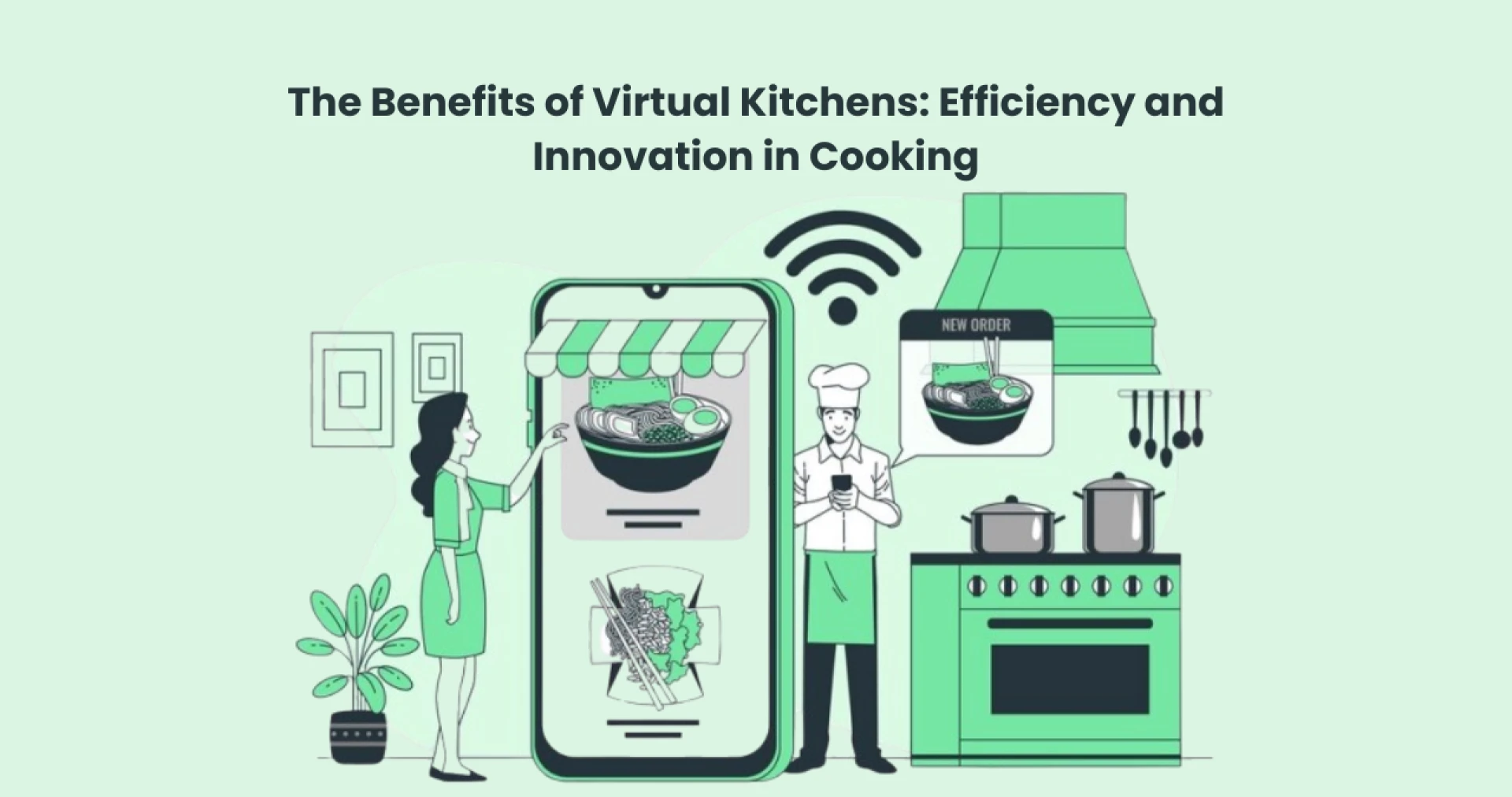

The food industry is constantly evolving, and one of the most exciting developments in recent years is the rise of virtual kitchens. Also known as ghost kitchens or cloud kitchens, virtual kitchens are food production facilities set up to prepare meals specifically for delivery or takeout. These kitchens don’t have a dine-in space, and they operate with the help of online platforms and food delivery apps. This model has become incredibly popular, especially after the COVID-19 pandemic, when people began relying more on home delivery for their meals.
In this blog, we’ll take a closer look at how a virtual kitchen is changing the restaurant industry, the benefits they offer for both business owners and customers, and why they represent a new era of efficiency and innovation in cooking.
What Are Virtual Kitchens?
Virtual kitchens are cooking spaces built purely to handle online food orders. Unlike traditional restaurants, they don’t serve customers on-site. Instead, orders are received through mobile apps or websites and then delivered to customers through delivery drivers or third-party platforms like Uber Eats, DoorDash, or Zomato.
These kitchens can be run by established restaurants looking to expand delivery services or by entrepreneurs launching delivery-only food brands. Some virtual kitchens even host multiple brands under one roof, allowing a single kitchen to prepare different types of cuisine for different businesses.
How Virtual Kitchens Work
Online Ordering
The entire process starts with a customer placing an order through a food delivery app or a website. The order is then sent to the virtual kitchen.
Food Preparation
Staff at the kitchen receive the order, prepare the meal, and pack it for delivery. Since there is no need to serve customers directly, all focus goes into making the food quickly and correctly.
Delivery
The order is handed over to a delivery driver who takes it to the customer’s address. Some virtual kitchens have in-house delivery systems, while others use third-party delivery services.
Benefits of Virtual Kitchens for Business Owners
Lower Startup Costs
Opening a traditional restaurant can be expensive. You need a prime location, interior design, furniture, and front-of-house staff. With a virtual kitchen, you don’t need a dining area or waitstaff, which significantly reduces initial investment and ongoing costs.
Better Focus on Delivery
Virtual kitchens are built for delivery. This allows restaurants to create menus designed specifically for food that travels well. By focusing on just one aspect of service, these kitchens can ensure better quality and faster preparation.
More Flexibility
Virtual kitchens offer a lot of flexibility in terms of operation. You can run multiple brands from one kitchen, test new menu items without risk, and even change your business model quickly based on customer feedback or demand trends.
Wider Reach
Since virtual kitchens rely on online ordering and delivery, businesses can reach a wider audience beyond their physical location. Even if your kitchen is located in a less popular area, your food can still reach customers across a whole city.
Easy Scaling
If one brand or concept becomes successful, it’s easier to expand without building new restaurants. You can simply set up more virtual kitchens in different locations or use third-party spaces to fulfill orders.
Benefits of Virtual Kitchens for Customers
More Variety
Because virtual kitchens can host several brands under one roof, customers get access to a wider range of cuisines and dishes. It’s like having multiple restaurants available at your fingertips.
Faster Delivery
Since these kitchens are focused entirely on preparing food for delivery, they often operate more efficiently than traditional restaurants. This can lead to shorter wait times and better order accuracy.
Lower Prices
With lower overhead costs, many virtual kitchen brands are able to offer meals at more affordable prices. Customers get good food at competitive prices, making it a win-win situation.
Innovative Menus
Because virtual kitchens can easily test new items or launch unique brands, customers often get to try out creative and original dishes that wouldn’t be found in a typical dine-in restaurant.
Innovation and Technology in Virtual Kitchens
Smart Kitchen Equipment
Many virtual kitchens use modern tools and appliances that speed up cooking without compromising on quality. From automated fryers to temperature-controlled ovens, smart equipment helps improve consistency and save time.
Real-Time Order Tracking
With integrated software, kitchens can manage incoming orders more efficiently and provide real-time tracking to customers. This not only improves customer satisfaction but also helps reduce errors.
Data-Driven Menus
Virtual kitchens rely heavily on data. They analyze customer preferences, peak order times, and popular dishes to update their menus and operations. This data-driven approach helps in staying competitive and improving service over time.
Integration with Clone Apps
Many virtual kitchen businesses use clone app solutions to launch their platforms quickly. These pre-built apps can be customized with features like menu management, delivery tracking, customer support, and payment gateways, allowing entrepreneurs to focus more on operations and less on development.
Read More: Zomato Clone Scripts | Custom App Development Service
The Role of Virtual Kitchens During the Pandemic
During the COVID-19 pandemic, many restaurants were forced to shut down their dine-in services. Virtual kitchens offered a way for the food industry to survive and continue serving customers. Restaurants that already had delivery systems in place were able to adapt quickly, while others created new virtual brands to meet demand.
Even after the pandemic, the convenience and reliability of food delivery kept the demand high. Virtual kitchens are now seen not just as a backup plan, but as a long-term business model.
Future of Virtual Kitchens
Virtual kitchens are here to stay. As more people choose to eat at home and technology continues to improve, we can expect even more innovation in this space. Future trends may include:
- Integration with smart delivery robots and drones
- Use of AI to personalize menus and offers
- Expansion into grocery and meal kit delivery
- Collaboration with health brands for diet-specific menus
As this model grows, it will likely become a core part of the food service industry, blending convenience, technology, and creativity into a seamless experience for everyone involved.
Conclusion
Virtual kitchens are changing the way food businesses operate by offering a more efficient and tech-driven approach to food delivery. They reduce costs, improve service speed, and offer flexibility that traditional restaurants often struggle to match. For customers, they bring variety, convenience, and new culinary experiences right to their doorstep.
Whether you're a restaurant owner looking to expand or an entrepreneur wanting to enter the food industry, virtual kitchens offer a smart and scalable path forward. With the help of a reliable clone app development company, launching a virtual kitchen business has become more accessible than ever. By combining innovation with practical tools, virtual kitchens are shaping the future of food service in exciting ways.
FAQs
What is a virtual kitchen?
A virtual kitchen is a delivery-only kitchen that prepares food specifically for online orders. It doesn’t have a dine-in area and relies on apps and websites for orders.
How is a virtual kitchen different from a regular restaurant?
Unlike traditional restaurants, virtual kitchens operate without customer seating or service. They focus only on preparing food for delivery or pickup.
Are virtual kitchens profitable?
Yes, virtual kitchens often have lower overhead costs and higher margins because they eliminate many expenses tied to running a full restaurant.
Can one kitchen run multiple food brands?
Yes, many virtual kitchens run several brands from the same location, offering different cuisines or themes under separate names.
How do I start a virtual kitchen business?
You can start by choosing a location, planning your menu, and partnering with delivery platforms. To make things easier, you can work with a clone app development company to launch a customized food delivery app for your brand.










Sign in to leave a comment.