
Why Exotic Produce Matters to Local Communities
Familiarity for international students and expats
In Leeds, international students and expats often seek comfort in the food they grew up with. Ingredients like Thai aubergine, fresh lemongrass, or green papaya aren’t just for cooking — they’re part of a personal routine, a taste of home that cuts through grey Yorkshire skies. A visit to a specialist store isn’t just about filling a basket, it’s a way to reconnect with something familiar.
Leeds’ universities attract students from across Asia, and supermarkets that offer recognisable produce give them options beyond British staples. With easy access to ingredients like enoki mushrooms or fresh tofu, they can make dishes that feel more authentic and less like an approximation. In a city with such a diverse population, having access to genuine Asian produce isn’t a luxury — it’s essential.
Growing interest in Southeast Asian home cooking
The recent shift toward home cooking has widened interest in ingredients beyond the usual. Weekend cooks are learning how to use ingredients like Vietnamese coriander or bitter melon in stir fries, soups, and salads. Leeds, with its thriving food scene, reflects that shift. Whether someone is testing out a recipe from a Thai food blog or recreating something they tried in a local restaurant, they need access to the right ingredients to get the job done properly.
This growing demand encourages supermarkets to maintain high standards. It’s no longer enough to stock jarred sauces and a few instant noodles. People are looking for jackfruit that hasn’t been tinned, herbs that haven’t lost their aroma, and vegetables that haven’t travelled halfway around the world in a container. Local shops that understand this shift stand out, because they’re ready to supply items that used to be considered niche.
Access to produce not found in standard UK supermarkets
Standard supermarket chains still limit their fresh produce range. Exotic fruits like longan, star fruit, or durian rarely appear unless it’s in frozen or tinned form. Vegetables like Chinese chives, green papaya, or daikon radish are often missing altogether. This means customers have to look elsewhere — and Leeds offers some strong alternatives.
At specialist stores, the fruit and vegetable sections are genuinely different. Instead of relying on substitutes, home cooks and chefs can find the real thing. A bunch of morning glory (pak boong) next to stalks of fresh bamboo, or a whole section of mushrooms from king oyster to shimeji. That kind of range builds loyalty quickly. For many households in Leeds, these supermarkets aren’t a curiosity — they’re a necessity.
What Makes a Supermarket Stand Out?
Freshness and variety of imported produce
Freshness matters. Not just because no one wants wilted coriander, but because so many Asian vegetables lose flavour quickly after harvesting. Fresh curry leaves lose their aroma within days. Holy basil turns black and lifeless if it sits in cold storage for too long. Stores that rotate stock regularly and have short delivery chains maintain better quality.
In Leeds, this is where the better Asian supermarkets make a name for themselves. They bring in shipments multiple times a week, and stock changes with the seasons. Long beans in summer, Chinese turnip in winter — it’s responsive and considered. Walking into these stores feels different because what’s available reflects what’s genuinely fresh and in demand.
Reliable sourcing from Asia
Getting a steady supply of exotic produce involves more than bulk orders. The better suppliers work directly with growers in Thailand, Vietnam, China, and beyond. Some even have long-term contracts with small farms, ensuring consistent quality without relying too heavily on middlemen. That attention to sourcing makes a visible difference.
In practical terms, it means less shrink-wrapped produce and more open baskets of herbs and vegetables that smell as fresh as they look. Many stores label their produce clearly with region of origin — not just “Asia” but “Vietnam,” “Guangdong,” or “Isaan.” That detail builds trust and helps customers learn where their food is coming from, which matters when they’re using it to prepare dishes for family or cultural celebrations.
Clean, well-stocked, and clearly labelled aisles
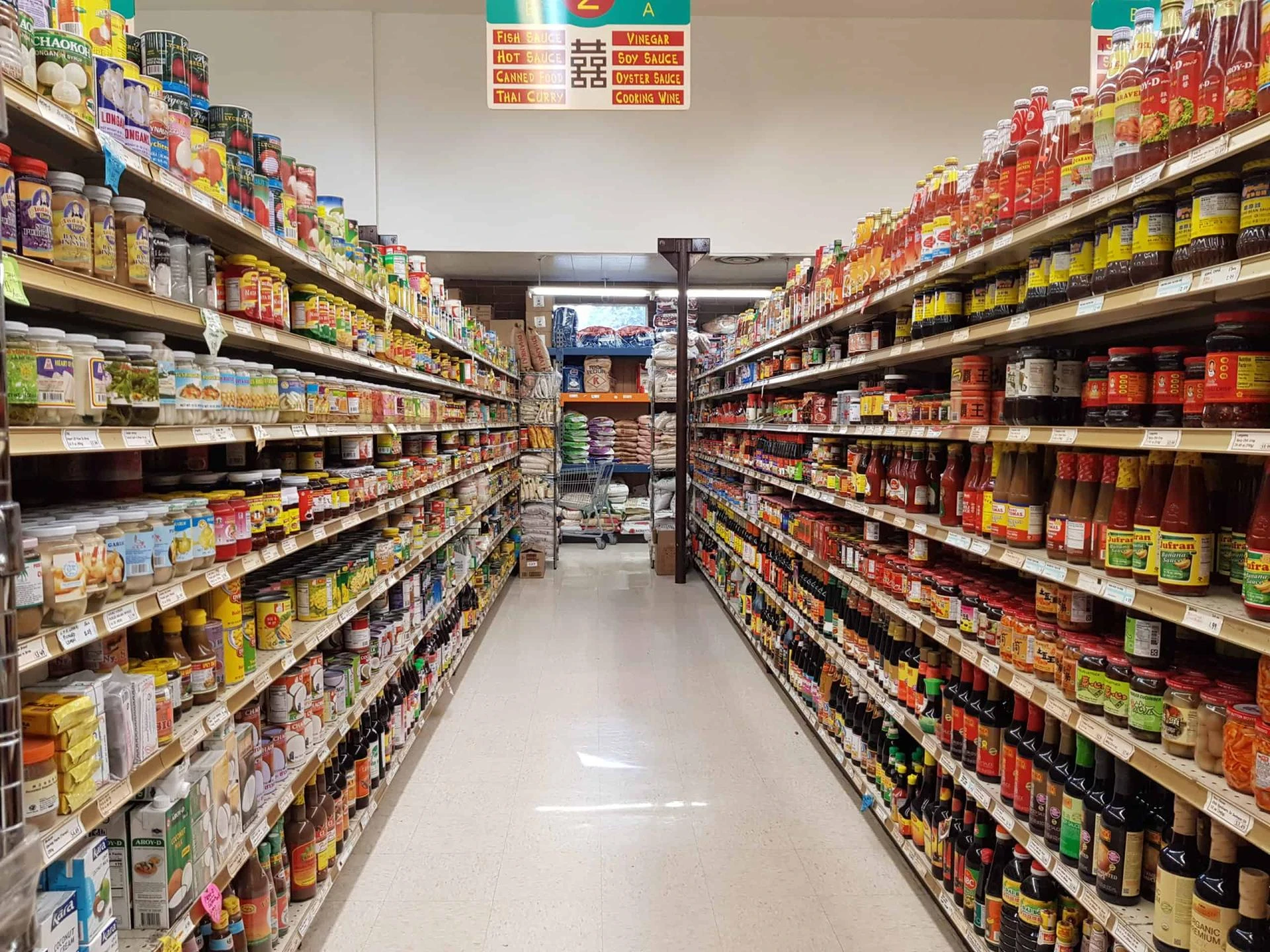
No one wants to play ingredient hide-and-seek. Supermarkets that put effort into layout and signage stand out quickly. Shoppers should be able to spot the difference between taro root and yam, or between napa cabbage and mustard greens, without guessing. When aisles are clearly labelled in multiple languages — often English alongside Thai, Chinese, or Vietnamese — shopping becomes easier for everyone.
Cleanliness also speaks volumes. It shows that produce is handled properly and staff are trained to manage perishables. In some Leeds stores, even on busy Saturdays, fresh vegetables are restocked efficiently and fruit displays stay orderly. It's the kind of thing people notice, even if they don’t comment on it out loud.
Staff knowledge and customer support
The staff often make or break the experience. In smaller, family-run shops especially, the people working there tend to know the products well. Someone might explain the difference between Thai and Lao basil, or offer a tip on how to prepare fresh lotus root. These aren’t just checkout clerks — they’re part of the food culture.
In supermarkets that prioritise customer support, shoppers get help when they need it and are left alone when they don’t. That balance matters. Some customers want to ask questions about how to cook something new, others know exactly what they’re looking for. Staff who can adapt to both make the shopping experience smoother for everyone.
HiYou – A Trusted Name for Asian Groceries
Product selection and regional diversity
HiYou stands out by offering a wide range of products from across Asia, catering not just to one demographic but to many communities with distinct food traditions. Shelves feature dried and fresh goods from Japan, Korea, Thailand, China, and the Philippines, making it one of the most versatile options for exotic produce in the North. That matters in a city like Leeds, where residents aren’t just shopping for soy sauce or noodles, but for specific varieties of choy sum, tamarind pulp, or fresh pandan leaves.
Rather than clustering general products under a catch-all “Asian” category, HiYou separates them by origin, which helps customers shop with more accuracy. A shopper looking for Thai holy basil won’t have to sift through Chinese or Indian herbs to find it. This makes the store practical for both everyday shopping and larger cultural events where authenticity counts.
Thai and Vietnamese ingredients in focus
While many shops spread their stock thin across multiple cuisines, HiYou maintains depth where it matters. Thai and Vietnamese ingredients are particularly well represented — galangal root, fresh lime leaves, and green mangoes are staples in the produce section, not seasonal surprises. That consistency gives customers the confidence to plan their weekly meals around dishes like som tam or pho, knowing the right ingredients will be available when needed.
Even dried items — like lotus seeds, pandan paste, or Vietnamese rice paper — are stocked in multiple brands and sizes. That’s important for customers with specific cooking preferences, as not all products are created equal. Having options allows families to find the exact brand they used at home or experiment with a close equivalent without compromising on flavour.
Support for local communities and food culture
HiYou isn’t just a shop, it functions as a cultural bridge. Whether it's a Lunar New Year display or an in-store feature on regional recipes, the supermarket has consistently shown interest in sharing more than just ingredients. It supports the everyday cooking habits of its customers while also giving others a chance to learn something new. For many, the store becomes a place to pass on food culture to the next generation.
That connection to community shows up in small ways, too — staff may point customers towards ingredients for festival dishes or highlight what’s new in the frozen section with hand-written notes. These aren’t corporate gestures. They’re part of a shared understanding that food matters, not just as fuel but as identity.
Online convenience paired with in-store discovery
HiYou’s online store makes it easier to restock the pantry, but it’s in-person where the experience really stands out. The physical layout encourages discovery. One section might feature tropical fruit flown in just days before, while another focuses on seasonal pickles or regional sauces. Shoppers can browse with a basket and still leave with something unexpected — a new type of root vegetable, a flavour of mochi they haven’t tried, or an unusual herb to play with over the weekend.
At the same time, those pressed for time aren’t left behind. The website offers a user-friendly interface that mirrors in-store categories, meaning people can order exactly what they need without sacrificing specificity. The hybrid experience works well for those who live nearby as well as customers travelling from further afield.
Other Notable Supermarkets in Leeds
Kirkgate Market stalls with imported tropical fruit
Kirkgate Market remains a reliable source for tropical fruit that doesn’t show up on typical supermarket shelves. Certain stalls specialise in imports like guava, sugar apple, or soursop — not always available, but often worth checking in on. While not an Asian supermarket Leeds in the traditional sense, these traders help support the city’s access to fresh and varied produce.
The market atmosphere also brings a different feel. Customers can speak directly with traders about stock availability or seasonal pricing. There’s no corporate silence here — just practical advice and open boxes of dragon fruit ready to pick through. That level of accessibility creates loyal regulars who come not only for the produce but for the relationships.
Sing Kee: long-standing family-run store in Beeston
Tucked away in Beeston, Sing Kee has built a solid reputation over the years. It’s less polished than larger stores but more personal. Fresh vegetables arrive regularly, and although the variety may not be as wide as others, what’s available is well chosen and priced fairly. Its focus on Chinese ingredients is clear, but there’s overlap with Vietnamese and Malay produce too.
Inside, you’ll find mustard greens, winter melon, and water spinach — all staples for customers who cook these dishes regularly. Sing Kee has become a go-to spot for those in South Leeds looking for ingredients that aren’t overly commercialised or marked up.
FreshMart: strong Korean and Chinese selection
FreshMart appeals to those looking for a more modern setup. It’s clean, organised, and leans heavily into Korean and Chinese produce. Kimchi fridges, bundles of Chinese celery, and fresh radish varieties line the fridges near the entrance. While it doesn’t carry the full Southeast Asian range, it’s particularly good for customers chasing Korean ingredients that might be difficult to find elsewhere.
Frozen goods are a strong point here — durian, taro, and cut jackfruit arrive packed and ready, ideal for those storing up for multiple meals. The team keeps a steady hand on inventory, and fresh fruit like Korean pear or imported oranges often show up alongside the staples.
What to Look for in the Fruit and Veg Aisle
Dragon fruit, rambutan, mangosteen
Dragon fruit might be the most visually striking, but it's not the only draw in the exotic fruit aisle. Rambutan and mangosteen, often shipped in smaller batches, draw regular attention from those familiar with Southeast Asian snacking traditions. While dragon fruit has become more common, finding a bright pink specimen with sweet, deep red flesh is still rare in larger UK chains.
At specialist supermarkets in Leeds, including HiYou, these fruits arrive regularly during their export seasons. The difference in quality is noticeable. Instead of rock-hard, under-ripe mangosteen, the fresh versions come with a soft, springy exterior and white, juicy pulp.
Rambutan is available in small boxes, fur-covered and still vibrant, rather than browning at the edges. These details matter when the fruit is eaten fresh, and families know what to look for.
Fresh herbs: Thai basil, pandan, and galangal
Fresh herbs are non-negotiable in many Asian recipes. Without Thai basil, a dish like pad kra pao falls flat. Without pandan, traditional Vietnamese desserts lose their fragrance. In Leeds, some shops keep these herbs in the chilled section, others display them in crates near the entrance. Either way, their availability signals a serious commitment to quality.
Galangal, often confused with ginger, has its own bite and aroma. It’s essential for tom yum and other soups. When stocked properly — fresh, not frozen — it gives dishes the distinct taste that bottled alternatives can't match. In many Leeds stores, these herbs are bought fast. Their perishability makes them a good indicator of how serious the supermarket is about freshness. The best shops don’t just stock them — they stock them properly.
Seasonal availability and price points
Prices shift with the seasons, especially for imported fruit and herbs. Supermarkets that understand this often create clear signs to help customers plan their purchases. When jackfruit comes in at a good price, it might be sliced and ready to portion. When supply is low, staff might warn regulars to grab what they need early in the week.
It’s this rhythm — tuned to global harvest cycles — that sets specialist shops apart. Shoppers who know the seasons will wait for peak freshness, while newcomers might be guided by staff suggestions. Supermarkets that communicate these patterns do more than sell groceries — they help customers shop smarter.
A Quick Glance Beyond Leeds
A look at the growing popularity of Chinese Supermarket Newcastle
It’s worth noting how Newcastle has carved out its own space in the Asian supermarket scene. The Chinese Supermarket Newcastle, known for its size and variety, pulls in regular customers from surrounding towns. It mirrors some of the strengths seen in Leeds — good produce, clear labelling, and knowledgeable staff — but also builds on its own local food culture.
Unlike smaller independent stores, it manages to carry both common staples and harder-to-source vegetables like fresh bamboo shoots or lotus root. It’s a reminder that cities outside London can lead the way in providing proper access to high-quality Asian produce, not just to communities with heritage ties, but to the broader public.
Differences in regional demand and availability
Demand varies city by city. While Newcastle sees strong demand for northern Chinese and Korean ingredients, Leeds leans into Southeast Asian varieties. That shows in the aisles. Leeds might have more fresh herbs from Vietnam or Thailand, while Newcastle pushes dried and fermented products more often used in regional Chinese cuisine.
These shifts reflect customer needs. Regional supermarkets don’t follow a fixed template. They adapt based on what people ask for, what sells consistently, and which communities surround them. This isn’t a one-size-fits-all model. It's a responsive approach built from the ground up.
Why Northern cities are building better global food access
The growth of specialist supermarkets in Northern cities speaks to something larger. It’s no longer necessary to live in London or Birmingham to find rare ingredients. Supermarkets like HiYou, FreshMart, and the Chinese Supermarket Newcastle prove that demand exists outside the capital — and that local businesses are rising to meet it.
This is food access on local terms. It brings visibility to ingredients that have long been overlooked, and offers better shopping experiences to those who’ve had to travel or compromise. With cities like Leeds leading the charge, the UK’s food scene gets more honest, more inclusive, and far more interesting.
Leeds' Role in the UK’s Expanding Asian Food Scene
Integration of Asian ingredients into British kitchens
Asian ingredients have moved beyond restaurant kitchens and specialist homes. Spring onions and soy sauce have become common, but now so have oyster mushrooms, baby bok choy, and chilli garlic paste. Leeds shoppers aren’t just picking up these ingredients out of novelty — they’re using them. Stir-fried greens next to roast potatoes. Jasmine rice instead of basmati. It’s a shift happening gradually, but visibly.
Supermarkets that can support this integration become central to neighbourhoods. They provide recipes, cooking guidance, and help remove the intimidation from unfamiliar ingredients. It’s practical cultural sharing — and it happens one dinner at a time.
Cultural education through cuisine
Shopping in an Asian supermarket offers more than food. It teaches. Labels in Vietnamese or Thai alongside English, spices in unfamiliar jars, vegetables that don’t match the British supermarket model — these are small but significant cultural markers. Regular exposure makes shoppers more comfortable, more curious, and more informed.
Many parents bring their children, not just to shop but to explain. This is how generations learn to tell the difference between rice varieties, how to pick a ripe papaya, or why fish sauce smells the way it does but tastes the way it should. In that way, supermarkets play an educational role that goes beyond school or media.
Asian groceries and economic contribution
These businesses do more than fill baskets — they fuel local economies. They support importers, hire local staff, and bring footfall to quieter parts of town. They build local supply chains that don’t rely entirely on multinational distributors, giving communities more control over what they eat and how much they pay for it.
Leeds benefits from this model. It’s a city large enough to support multiple Asian supermarkets, but small enough that their impact is visible. They anchor neighbourhoods, increase food access, and give residents reasons to try something new. When they succeed, the entire city eats better.










Sign in to leave a comment.