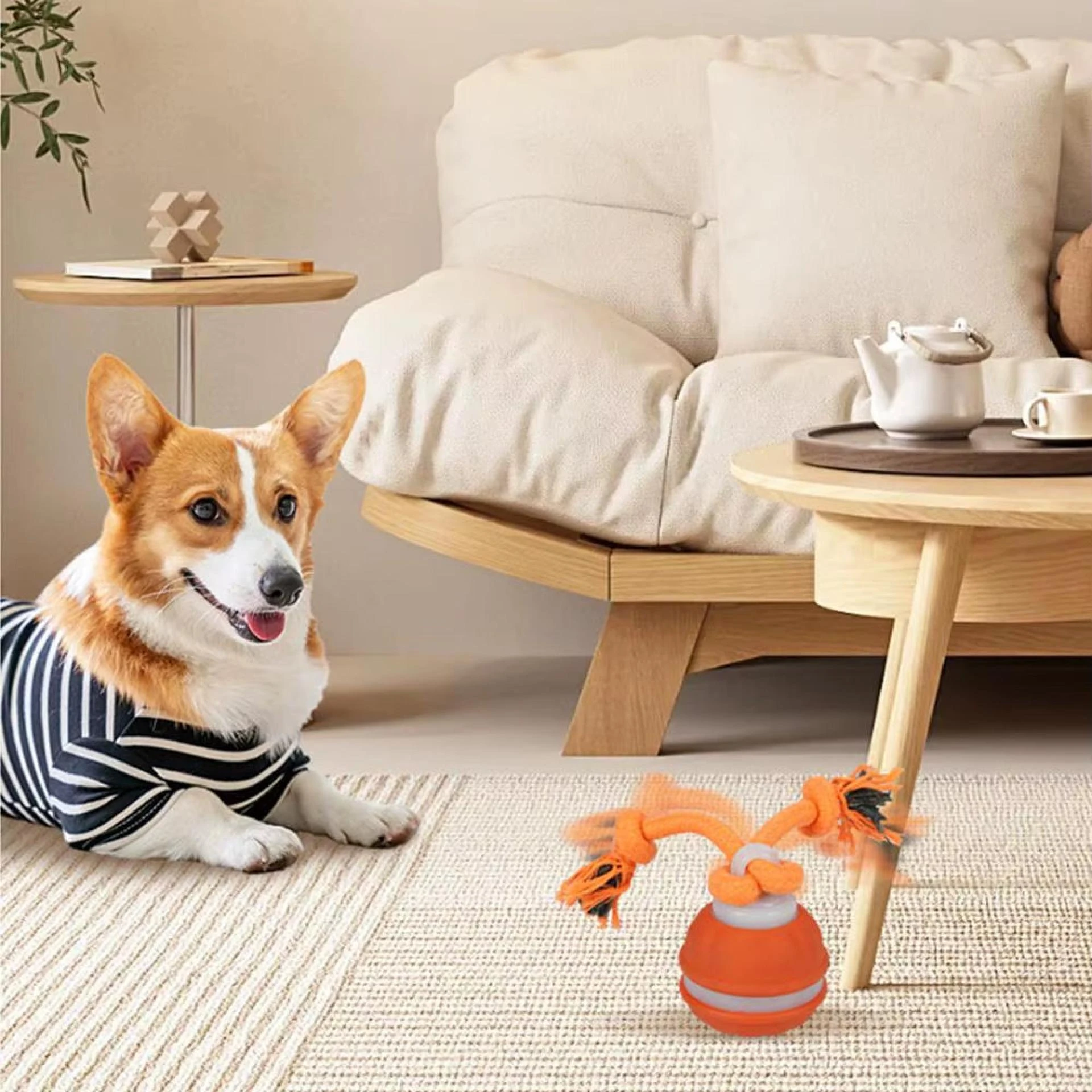

Every dog owner wants a happy pet. However, sometimes our furry friends get bored. This is where interactive dog toys come into play. These special toys do more than just sit there. They challenge your dog's brain. They make your pup work for a treat or a reward. This keeps them busy and stops them from chewing on your shoes. In this guide, we will explore the wonderful world of these amazing toys. You will learn how they help your dog and which ones might be the best fit for your four-legged family member.
What Are Interactive Dog Toys?
First, let us talk about what makes a toy "interactive." A simple rubber bone is fun to chew. However, it does not think. It does not react to the dog. Interactive dog toys are different. They require the dog to do something specific. The toy might hide a treat inside. The dog must figure out how to get the treat out. It could be a puzzle that slides open. It might be a ball that drops kibble as it rolls. The main idea is engagement. These toys make your dog use their brain and their body at the same time.
Why Do Dogs Need Mental Stimulation?
Many people think a tired dog is just a dog that ran a lot. However, mental work can be just as tiring as physical exercise. A dog that solves puzzles uses energy. This is great for their overall health. Bored dogs often get into trouble. They might dig holes in the yard. They might bark too much. They might chew on furniture. Interactive dog toys solve this problem. They give the dog a job. The job is fun and rewarding. After a good puzzle session, your dog will feel satisfied. They will be calm and happy. This is much better than a dog that is simply waiting for you to come home.
Types of Interactive Dog Toys
There are many different kinds of interactive dog toys on the market. Each type works in a different way. Some are better for beginners. Some are for the smarty-pants dogs who need a real challenge. Let us look at the most popular categories.
Puzzle Toys
Puzzle toys are exactly what they sound like. They are small puzzles for your dog to solve. These often have sliding pieces or tiny compartments. You hide kibble or treats in the hiding spots. Then, your dog must use their nose or paw to move the pieces and find the food. These toys are fantastic for building confidence. When your dog solves the puzzle, they feel proud. You can start with a simple level one puzzle. As your dog gets better, you can buy harder puzzles. This keeps their mind sharp and active.
Treat-Dispensing Toys
These are a classic favorite. A treat-dispensing toy is usually a hollow ball or a funny-shaped object. You fill the inside with your dog's regular food or some tasty treats. The dog then pushes the toy around the floor. As it rolls and tumbles, small pieces of food fall out. This turns mealtime into a game. It slows down fast eaters, which is good for digestion. It also keeps a dog busy for a long time. They have to work for every single piece of kibble. This mimics how dogs would have eaten in the wild. They had to hunt and work for their food, not just get it from a bowl.
Snuffle Mats
A snuffle mat is a wonderful tool for dogs who love to sniff. It is a mat made of many strips of fabric. You sprinkle your dog's food or treats deep down into the fabric strips. Then, the dog has to use their nose to sniff out every single piece. This taps into their natural foraging instincts. It is a very calming activity. Many dogs find sniffing to be relaxing. It lowers their heart rate. A snuffle mat is perfect for rainy days when you cannot go for a long walk. It provides great mental exercise right in your living room.
Tug and Chase Toys
Not all interactive dog toys are about food. Some are about playing with you! Toys like ropes for tug-of-war or fluffy toys on a string are interactive. They require you and your dog to play together. This builds a strong bond between you. Tug-of-war is a great game. It lets your dog release energy in a controlled way. Flirt poles are another great example. They are like a giant cat toy for dogs. You swing a toy attached to a rope, and your dog chases it. This satisfies their prey drive and gives them a fantastic workout.
How to Choose the Right Toy
Choosing the right toy depends on your dog. You must think about their size, their age, and their play style. A toy that is too hard will frustrate your dog. A toy that is too easy will bore them quickly. Finding the right balance is key.
Consider Your Dog's Size
Size matters a lot with interactive dog toys. A small toy for a Chihuahua could be a choking hazard for a Labrador. Always check the size guide on the toy. Big dogs need big, tough toys. They have powerful jaws. Small dogs need smaller puzzles that their little paws can manipulate. A big dog might accidentally destroy a toy meant for a small dog. This could be dangerous if they swallow small pieces.
Consider Your Dog's Chew Style
Every dog chews differently. Some dogs are gentle. They nudge toys with their nose. They paw at them lightly. These dogs can handle almost any type of toy. Other dogs are power chewers. They see a new toy as a challenge to destroy. For these tough dogs, you need heavy-duty interactive dog toys. Look for toys made of very hard rubber. These are often the same toys used by professional dog trainers. They are built to last. They can withstand a lot of biting and throwing.
Start Simple and Work Up
If your dog has never used an interactive toy before, start with an easy one. Show them how it works. Put a very smelly, tasty treat inside. Let them see you do it. This helps them understand the game. If they get stuck, help them out. You want the first experience to be positive. Once they understand the concept, you can introduce harder puzzles. This builds their problem-solving skills over time.
Safety First
Safety is always the most important thing. Always watch your dog the first few times they use a new toy. Check the toy regularly for damage. If pieces start to break off, throw the toy away. You do not want your dog swallowing plastic or rubber pieces. Also, remember that interactive dog toys are for fun, not for constant eating. Factor the treats you use in these toys into your dog's daily food intake. If you give them a lot of treats in a puzzle, give them a little less at dinner time. This keeps them at a healthy weight.
The Benefits of Playing Together
While many interactive dog toys are for solo play, you should still play with your dog every day. Toys that you use together are very special. They teach your dog how to interact with you. They learn to take turns. They learn to let go of the toy when you ask. Games like fetch and tug-of-war strengthen your leadership. They show your dog that you are fun and good to be around. This builds a lifetime of trust and love.
Rotating Toys Keeps Things Fresh
Dogs can get bored with the same toy every day. A great trick is to rotate their toys. Do not leave all the toys out all the time. Keep a few in a box in the closet. Every few days, swap the toys that are out. The "new" old toys will feel exciting again. This works great for interactive dog toys. Your dog will be just as excited to see a puzzle toy they haven't seen in a week as they would be to get a brand new one. It saves you money and keeps your dog happy.
Conclusion
Bringing home interactive dog toys is one of the best things you can do for your pet. These toys fight boredom. They keep your dog's mind sharp. They provide healthy exercise. From puzzle games to snuffle mats, there is something for every dog. Remember to choose toys that are safe for your dog's size and chewing style. Play with your dog and watch them learn. A busy dog is a happy dog. A happy dog makes for a happy home. So go ahead, find a fun new challenge for your pup today. They will thank you with wags and slobbery kisses.








Sign in to leave a comment.