
Modern bike design has been quietly reoriented around one simple idea: more people ride more often when the bike feels good from the first mile. For years, the mainstream look and feel of a performance bike chased race cues. Lower fronts, longer reaches, and stiff builds looked fast in photos. But the most meaningful innovation lately is the steady shift toward fit, control, and all-day ease, especially in the road bike category.
Comfort is not the opposite of performance. It is what allows riders to use performance. When handling feels calm, contact points stop hurting, and tire pressure works with the surface instead of fighting it, riders stay out longer and come back sooner. That repeatability is why endurance geometry, wider tire clearance, and more upright setups are winning with modern riders.
From aggressive to endurance geometry
Endurance geometry is the industry translation of a simple promise: you can ride farther with less strain. The change often starts with stack and reach. A taller front end reduces the amount of hinge at the hips and lowers pressure on hands and neck. A slightly shorter reach keeps shoulders relaxed and makes steering inputs feel less twitchy. Wheelbases often get a touch longer, which helps stability on descents and rougher pavement. In an endurance road bike layout, that stability helps riders relax on chipseal and long descents.
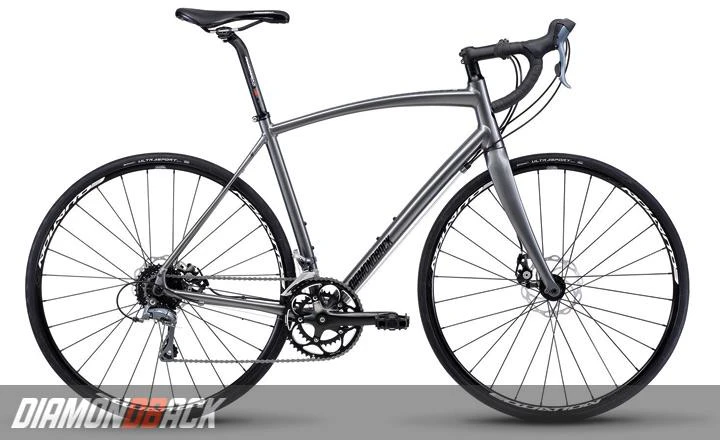
A practical example is how endurance builds now blend road efficiency with a calmer posture. Bikes like the Diamondback Century Sport show what many riders actually want: a fast platform that does not demand a racer position. That kind of design makes group rides, solo fitness miles, and long weekend loops feel less like a form test and more like a habit.
Why upright does not mean slow
An upright setup reduces fatigue, and reduced fatigue keeps power output consistent. Riders who are not bracing with their arms can breathe more freely and stay smooth through rolling terrain. Comfort also improves confidence. When a bike feels stable, riders scan traffic better and make fewer abrupt corrections. That is safer and more efficient.
Wider tires and more clearance
The second big comfort shift is rubber. A decade ago, many bikes were built around narrow tires and high pressures. Today, wider tires and generous clearance are common even on performance builds. Wider tires can run lower pressure without feeling squirmy, so they absorb cracks, chipseal, and rough shoulders that used to punish hands and back. They also improve traction in wet corners and on dusty paths.
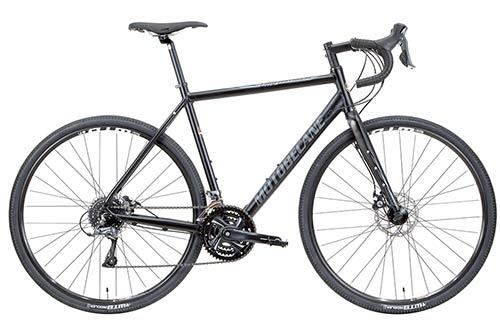
This is where categories have blurred. Riders who once bought one bike for speed and another for mixed surfaces now gravitate toward bikes that do both. A modern gravel bike is a good symbol of this change because it treats pavement and imperfect roads as equally normal. Models like the Motobecane Omni Strada Sport XTL reflect that priority: carbon fork comfort, confident disc braking, and room for tires that smooth the ride.
Comfort is often tire pressure
The easiest comfort upgrade is not a new frame. It is matching tire width and pressure to the rider and the surface. Riders who move from a narrow, high-pressure setup to a wider, lower-pressure setup often describe it as gaining suspension for free.
The details that change the whole ride
Comfort also comes from parts that touch the rider and parts that manage vibration. Saddles and grips matter, but so do bar shapes, stem length, and seatpost flexibility. Even small adjustments in lever position can prevent numb fingers. Many comfort-focused bikes also include features that support real-life riding: mounts for racks and fenders, stable gearing for climbs, and braking that feels predictable in bad weather.
A few fit tweaks usually deliver outsized results. A slightly higher handlebar can reduce hand pressure. A shorter stem can put shoulders in a neutral place. And a saddle that supports sit bones can make longer rides feel natural.
Value and usability are redefining what riders buy
Comfort has also changed how people shop. Riders are less interested in paying extra for marginal gains that only show up in a sprint. They want bikes that match their actual routes and schedules, with clear specs and sensible components.
BikesDirect has built a reputation around that practical value approach, pairing recognizable bike categories with factory-direct pricing and a broad selection. When comfort-driven design is paired with smart spec choices, riders can get more usable components for the money.
A comfortable, everyday-ready road bike is a perfect example. Riders look for predictable handling, room for slightly wider tires, and gearing that works on hills near home. They also want a bike that can be set up without a complicated fit journey.
Comfort Wins the Long Game
The comfort revolution is not a fad, it is a response to how people actually ride. Endurance geometry makes long miles easier on the body. Wider tires make broken pavement feel manageable. Thoughtful components make daily setup feel intuitive. Together, those changes move cycling away from niche performance culture and toward something more inclusive.
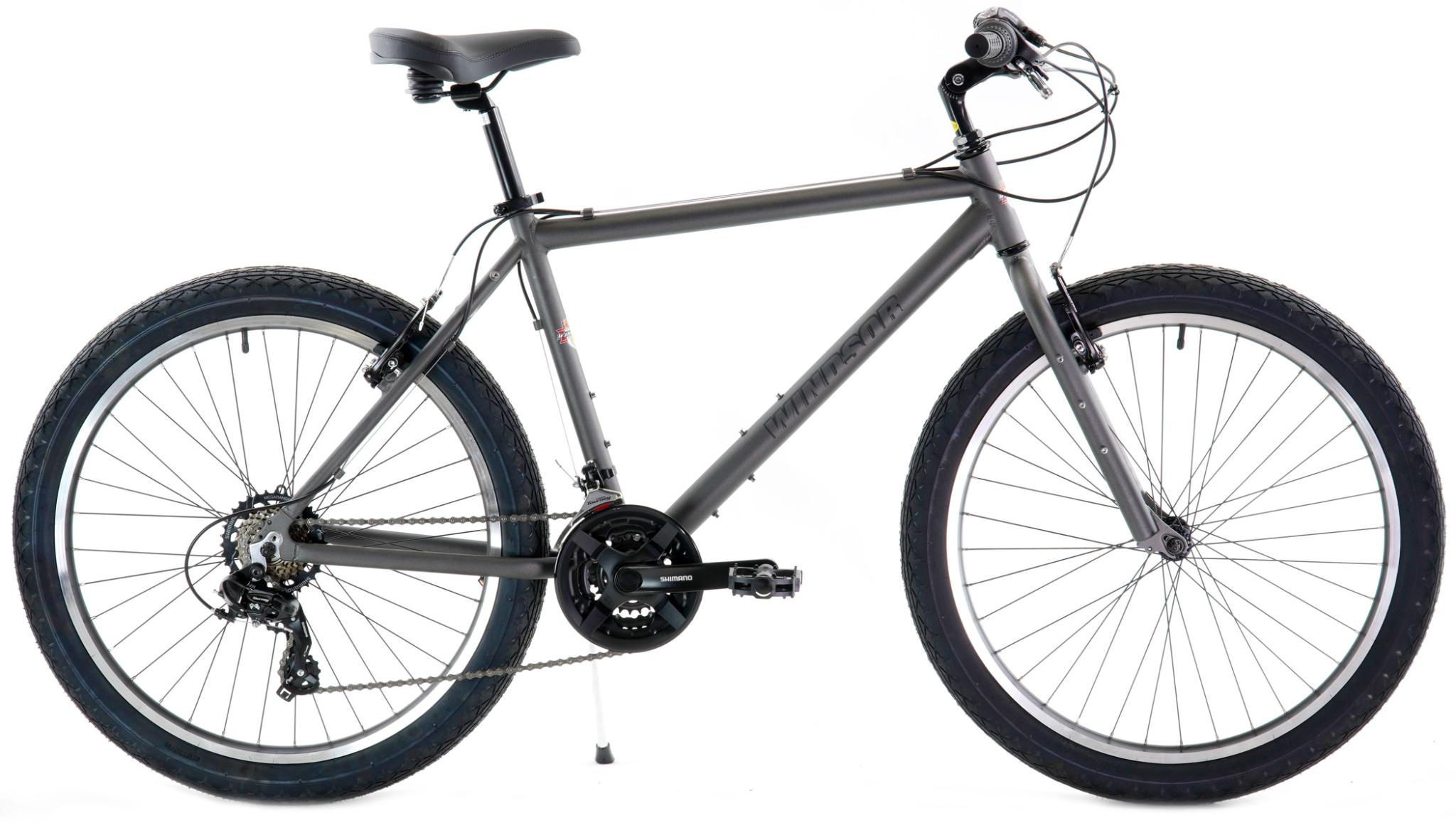
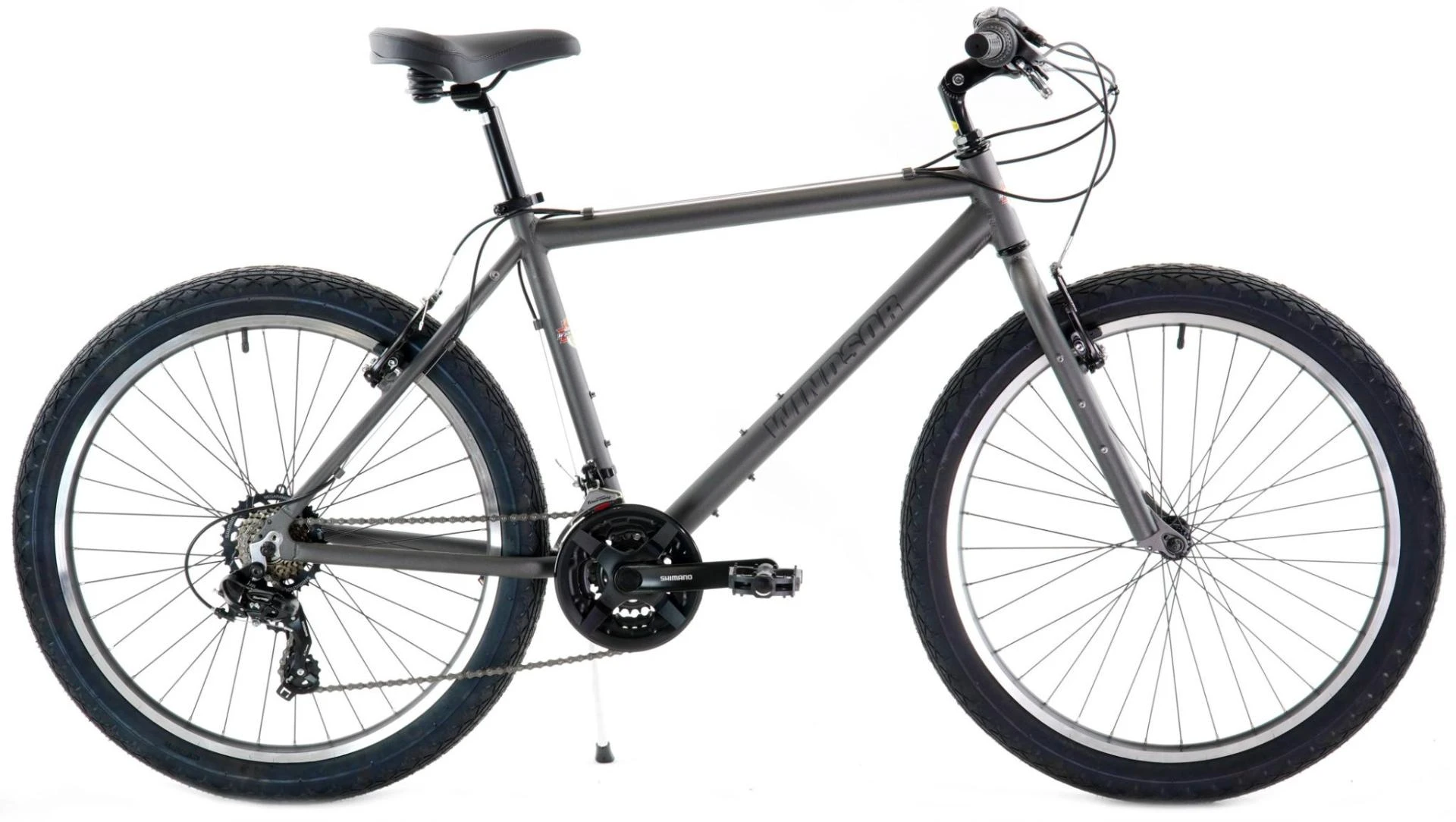
For riders who want a comfortable road bike that still feels lively, BikesDirect offers endurance-oriented options and clear product details, plus factory-direct value. And if comfort means versatility, a bike like the Windsor Dover 1.0 shows how wide tires and upright fit can make everyday routes genuinely enjoyable.
BikesDirect carries a full range of bikes for different routes and riders: road bike and fat bike. To get help choosing the right size and comfort setup, contact BikesDirect.













Sign in to leave a comment.