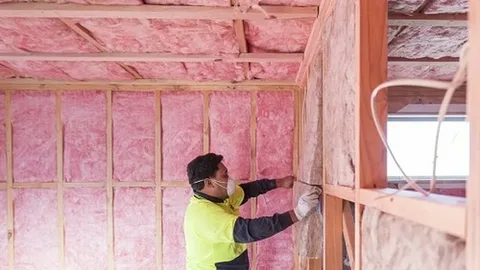
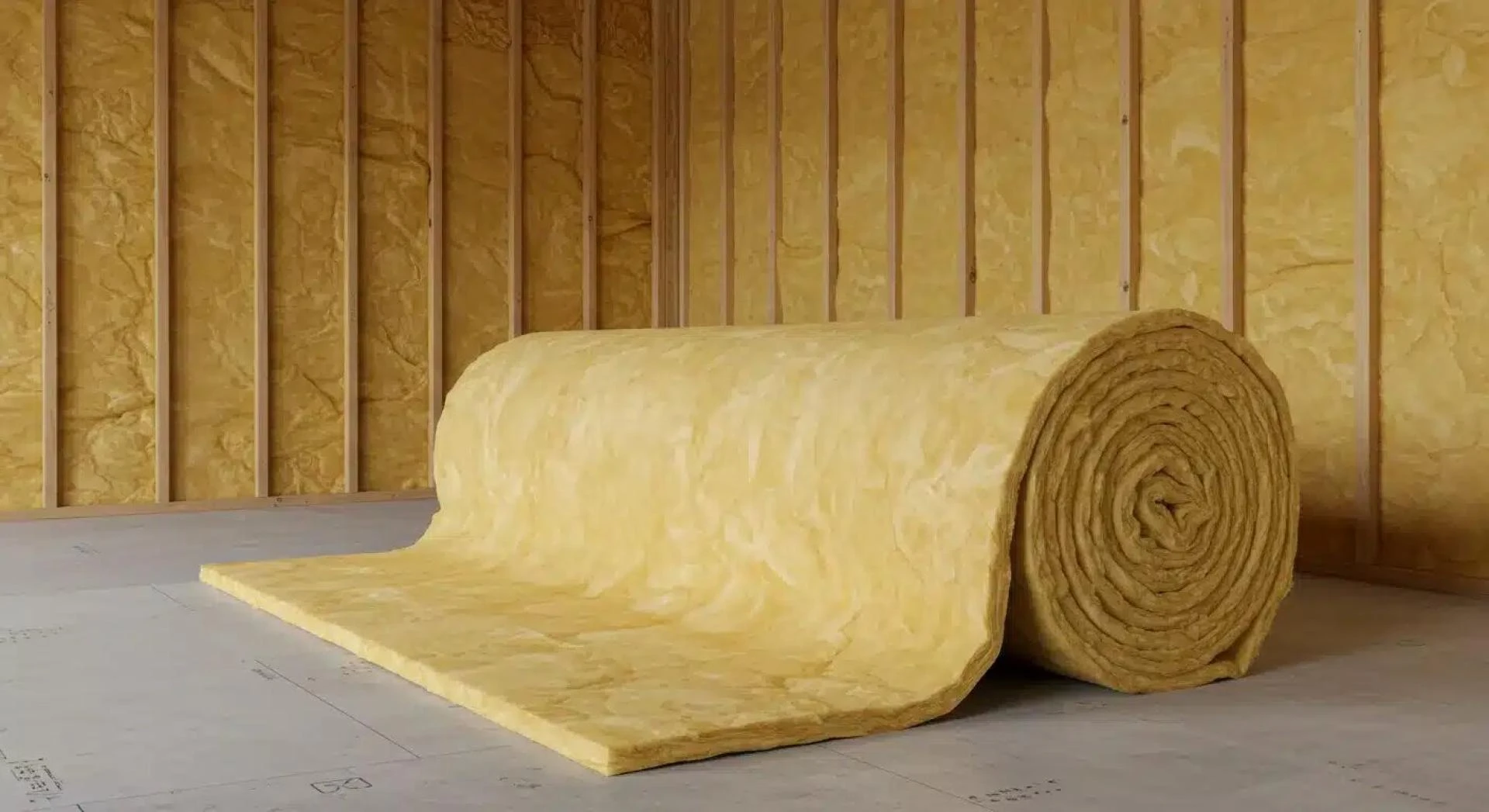
For beginners looking to improve their home's energy efficiency, batt insulation in Norcross, GA is often the first option they encounter. It is a cost-effective and widely available material, making it a popular choice for many homeowners. Batt insulation comes in pre-cut rectangular pieces or long rolls and is typically made of fiberglass. Its main job is to slow the transfer of heat, keeping a home warmer in the winter and cooler in the summer. For standard spaces like unfinished attic floors or open wall cavities with evenly spaced studs, it's a practical solution.
This guide, developed with input from experienced insulation installers, covers everything a homeowner needs to know about batt insulation. We'll cover what it is, how to choose the right kind for the Norcross climate, the importance of correct installation, and when it's better to call a professional instead of trying to do it yourself.
What Is Batt Insulation
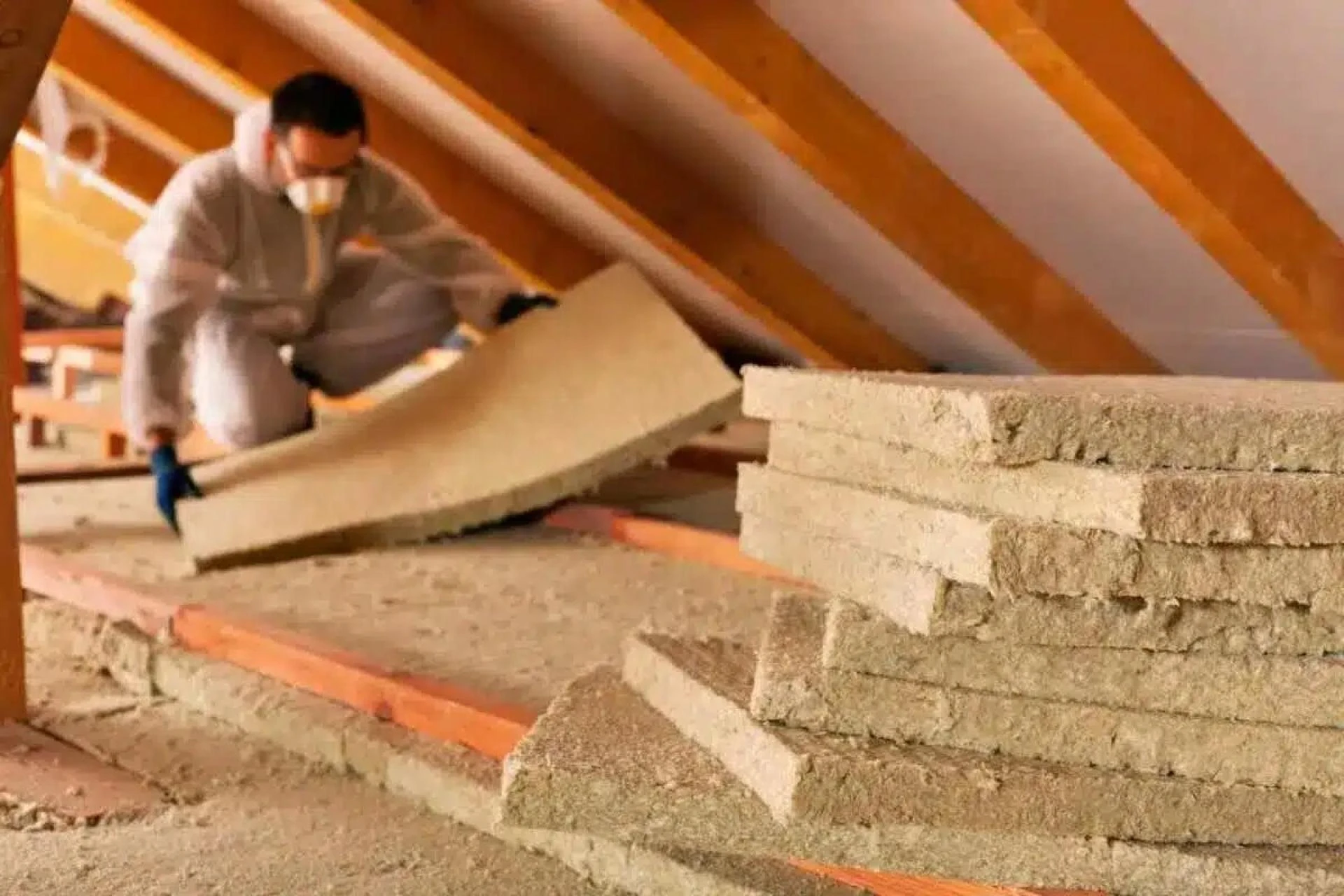
Batt insulation is essentially a thermal blanket for your home. It's designed to fit snugly between the wooden studs in walls, the joists in attics and floors, and the rafters in roofs. The most common material used to make it is fiberglass, which consists of extremely fine glass fibers. Other types include mineral wool, made from rock and slag, and natural fibers like cotton or sheep's wool.
Batts come in two main forms:
- Faced Batts: These have a paper or foil backing on one side. This backing acts as a vapor retarder, which is designed to stop moisture from passing through the insulation and condensing inside the wall or attic space. In a humid climate like Norcross, this is an important feature.
- Unfaced Batts: These are just the insulation material itself, with no backing. They are often used for adding a second layer of insulation on top of an existing layer or in situations where a vapor retarder is not needed or is being installed separately.
The key to batt insulation's effectiveness is its "fluffiness." The millions of tiny air pockets trapped among the fibers are what actually do the insulating. This is why proper installation is so important; if the batt is compressed or squished, it loses those air pockets and its ability to insulate is reduced.
R-Value and What Your Norcross Home Needs
All insulation is rated by its R-value, which measures its ability to resist heat flow. A higher R-value means better insulating performance. The amount of R-value a home needs depends on the local climate and the part of the house being insulated. Norcross is in Climate Zone 3, and the Department of Energy recommends the following R-values for this region:
- Attics: R30 to R60
- Walls: R13 to R-15
- Floors and Crawl Spaces: R13 to R19
The R-value of a batt is determined by its material and its thickness. A thicker batt will have a higher R-value.
Common Batt Insulation R-Values
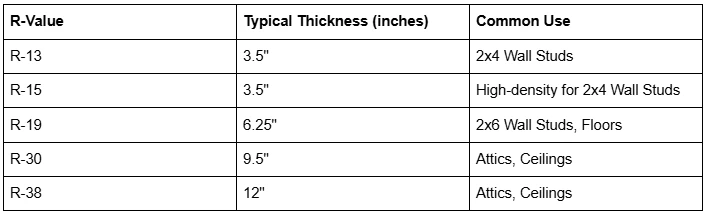
- Bonus Tip: To reach the higher R-values recommended for attics, professionals often install one layer of batts between the joists and a second, unfaced layer running perpendicular on top. This covers the tops of the joists and helps prevent "thermal bridging," where heat escapes through the wood framing.
Why Proper Installation Is Everything
The single biggest mistake a beginner can make is underestimating the importance of a meticulous installation. Unlike spray foam or blown-in insulation that fills every gap automatically, batts must be cut and fitted perfectly by hand. Even small gaps or compressed spots can create a path for heat to escape, reducing the overall performance of the wall or attic by as much as 30%.
Common installation errors to avoid include:
- Compressing the Batts: Shoving a thick batt into a space that's too shallow is a common mistake that lowers its R-value.
- Leaving Gaps: The batts must be cut carefully to fit snugly around pipes, wires, and electrical outlets. Any air gap is a weak spot in your home's thermal shield.
- Incorrect Facing: In Norcross, the paper or foil facing must always be installed facing the inside of the home (the "warm-in-winter" side). Installing it backward can trap moisture inside the wall.
Things to Consider Before Making a Decision
Before starting an insulation project, a few factors are worth considering. The most important of these is air sealing. Batt insulation is not an air barrier. It only slows heat transfer. Before any batts are installed, every small crack, wire penetration, and plumbing hole in your walls or attic floor should be sealed with caulk or spray foam from a can. This step alone can have a huge impact on your energy bills.
Safety is another major consideration. Handling fiberglass can release small fibers into the air that can irritate your skin, eyes, and respiratory system. Always wear proper personal protective equipment (PPE), including:
- A long-sleeved shirt and pants
- Gloves
- Safety glasses or goggles
- A dust mask or respirator
It's also important to honestly assess the complexity of the job. Insulating a wide-open attic floor with no obstructions might be a manageable DIY project. Insulating walls with complex wiring, or an attic with low clearance and lots of vents and pipes, is a much more difficult job that is often best left to a professional.
- Bonus Tip: When working in an attic, use plywood boards laid across the joists to walk and kneel on. Never step directly on the drywall of the ceiling below, as it can't support your weight.
To help clear up some common points of confusion, here are answers to a few frequently asked questions.
Answering Your Questions About Batt Insulation
What is the difference between fiberglass and mineral wool batts?
Mineral wool is denser than fiberglass, which makes it a better soundproofer and more fire-resistant. It also doesn't absorb water as readily. However, it is generally more expensive than fiberglass.
Can I put new insulation on top of old insulation in my attic?
Yes, as long as the existing insulation is dry and in good condition (not moldy or compacted by pests). You should use unfaced batts for any additional layers to avoid trapping moisture between them.
How long does batt insulation last?
If it is installed correctly and remains dry and undisturbed, batt insulation will last for the life of the home. It does not degrade or lose its R-value over time.
Is batt insulation effective at blocking noise?
It provides some sound dampening, but it's not its primary function. If soundproofing is a major goal, denser materials like mineral wool batts or specialized acoustic insulation are more effective choices.
Is faced or unfaced insulation better for an attic?
If it's the first and only layer of insulation and it's being installed between the joists, use faced batts with the paper side down against the drywall ceiling. If you are adding a second layer on top of existing insulation, always use unfaced batts.
Is Batt Insulation Right for Your Project?
Batt insulation remains a reliable and affordable choice for many homeowners in Norcross. It offers solid thermal performance when the right R-value is chosen and, most importantly, when it is installed with great attention to detail. For simple, open spaces, it can be a rewarding DIY project. For more complex areas, or for those who want to guarantee the job is done right, the skill of a professional is a worthwhile investment. Homeowners should weigh the simplicity of their project against the performance they expect before deciding which path to take.
Getting Professional Help in Norcross
If you're unsure about tackling the job yourself or want an expert opinion on the best way to insulate your home, a professional consultation is a great place to start. A specialist can perform a full assessment and identify the most effective solutions. For homeowners in the Norcross area who are looking for a trustworthy team, the experts at Makeover Insulation are known for their quality work. They can provide a detailed quote and answer any questions you have. You can schedule an appointment by calling (470) 664-5300 or by sending an email to [email protected].
Reviewer: Ava Clark shared her input based on 6 years of experience in home energy efficiency and thermal barriers. Her focus on customer trust and communication helped shape key parts of this post.










Sign in to leave a comment.