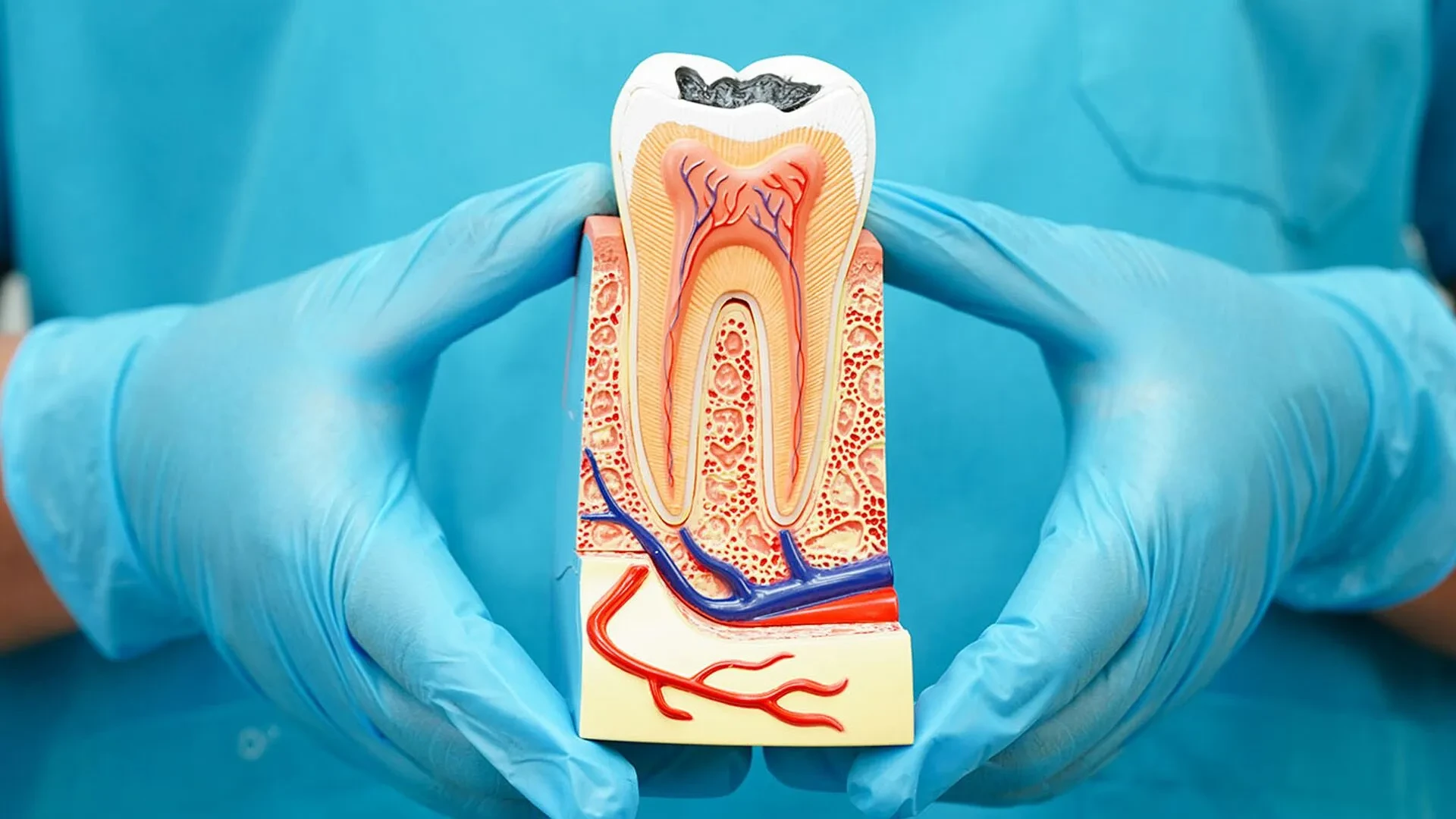

Root canal treatment is one of the most common and effective dental procedures used to save a severely infected or damaged tooth. Despite its reputation, modern dentistry has made root canal therapy safe, comfortable, and highly successful. If your dentist has recommended this procedure, understanding what to expect can ease anxiety and help you prepare for a smooth recovery.
In this complete guide, we’ll walk you through everything you need to know about root canal treatment — from symptoms and procedure steps to aftercare and recovery.
What Is Root Canal Treatment?
Root canal treatment, also known as endodontic therapy, is a procedure designed to remove infected or inflamed pulp from inside a tooth. The pulp is the soft tissue located in the center of the tooth that contains nerves, blood vessels, and connective tissue.
When the pulp becomes infected due to deep decay, repeated dental procedures, cracks, or trauma, it can cause severe pain and swelling. If left untreated, the infection can spread and may lead to tooth loss. A root canal removes the infection while preserving your natural tooth structure.
Signs You May Need a Root Canal
Not every toothache requires a root canal, but certain symptoms may indicate the need for treatment:
- Persistent tooth pain, especially when chewing
- Sensitivity to hot or cold that lingers
- Swollen or tender gums
- Darkening of the tooth
- A small pimple-like bump on the gums (abscess)
- Severe discomfort when applying pressure
In some cases, there may be no noticeable symptoms, which is why regular dental checkups are essential for early detection.
What Causes Tooth Pulp Infection?
Several factors can lead to pulp damage or infection:
- Deep cavities that reach the pulp
- Cracked or chipped teeth
- Trauma or injury to the tooth
- Repeated dental treatments on the same tooth
- Gum disease
When bacteria enter the pulp, they multiply and cause inflammation. Because the pulp is enclosed within hard tissue, swelling increases pressure and causes pain.
Step-by-Step Root Canal Procedure
Understanding the process can help reduce fear and uncertainty. Here’s what typically happens during root canal treatment:
1. Examination and X-ray
Your dentist will examine the tooth and take X-rays to assess the extent of infection and determine the shape of the root canals.
2. Local Anesthesia
The area is numbed using local anesthesia to ensure the procedure is comfortable. Most patients report that it feels similar to getting a filling.
3. Isolation
A rubber dam is placed around the tooth to keep it dry and free from saliva.
4. Removal of Infected Pulp
The dentist creates a small opening in the crown of the tooth and carefully removes the infected pulp tissue.
5. Cleaning and Shaping
The empty canals are cleaned, disinfected, and shaped to prepare them for filling.
6. Filling the Canals
The canals are filled with a biocompatible material called gutta-percha to seal them and prevent reinfection.
7. Temporary or Permanent Restoration
A temporary filling is placed initially. In most cases, a dental crown is later recommended to restore strength and function to the tooth.
The entire procedure usually takes one to two visits, depending on the complexity of the case.
Selecting an experienced and trusted dental clinic is crucial for successful treatment and long-term results. If you are searching for Root Canal Treatment in Mysore, choosing a clinic with advanced technology, skilled professionals, and a patient-focused approach can make all the difference.
At Murthy Dental Clinic, patients receive personalized care, modern endodontic procedures, and a comfortable treatment experience. The clinic focuses on accurate diagnosis, pain-free techniques, and long-lasting restorations to ensure optimal oral health. Whether you are dealing with severe tooth pain or an infected tooth, seeking timely care from an experienced dental team can help you save your natural tooth effectively.
Is Root Canal Treatment Painful?
One of the biggest myths surrounding root canal treatment is that it is extremely painful. In reality, modern techniques and anesthesia make the procedure virtually painless. Most patients feel relief from the severe pain caused by infection after the treatment is completed.
Mild soreness or tenderness after the procedure is normal and can typically be managed with over-the-counter pain relievers.
Recovery After Root Canal Treatment
Recovery from a root canal is generally quick and straightforward. Here’s what you can expect:
First 24–48 Hours
- Mild discomfort or sensitivity
- Slight swelling around the treated area
- Tenderness when chewing
This discomfort usually subsides within a few days.
Eating After Treatment
- Avoid chewing on the treated tooth until it is fully restored with a crown.
- Stick to soft foods for the first few days.
- Avoid extremely hot or cold foods if sensitivity persists.
Oral Hygiene
- Continue brushing and flossing as usual.
- Be gentle around the treated area.
- Use an antibacterial mouthwash if recommended by your dentist.
The Importance of a Dental Crown
After a root canal, the treated tooth may become more fragile over time. Placing a dental crown helps protect the tooth from fractures and restores its full functionality.
Without a crown, the tooth may crack or break under pressure. A properly placed crown can significantly increase the lifespan of the treated tooth.
How Long Does a Root Canal Last?
With proper care, a root canal-treated tooth can last a lifetime. Maintaining good oral hygiene, regular dental checkups, and avoiding excessive force (such as teeth grinding) can help ensure long-term success.
Success rates for root canal treatments are generally high, often exceeding 90%.
Root Canal vs. Tooth Extraction
Some patients wonder whether extraction is a better option. While removing the tooth may seem simpler, preserving your natural tooth is usually the best choice whenever possible.
Benefits of keeping your natural tooth include:
- Maintaining proper bite alignment
- Preventing shifting of adjacent teeth
- Preserving jawbone structure
- Avoiding more costly procedures like dental implants or bridges
Root canal treatment allows you to keep your natural smile intact.
Preventing Future Root Canal Treatments
While not all cases can be prevented, you can reduce your risk by:
- Brushing twice daily with fluoride toothpaste
- Flossing daily
- Visiting your dentist regularly
- Wearing a mouthguard during sports
- Treating cavities early
Good oral hygiene is the best defense against infection and decay.
When to Contact Your Dentist After Treatment
Although complications are rare, contact your dentist if you experience:
- Severe pain that does not improve
- Swelling that worsens
- Allergic reactions to medication
- A cracked or lost temporary filling
Prompt attention ensures optimal healing and long-term success.
Root canal treatment is a safe, effective way to eliminate infection and save your natural tooth. Thanks to modern dental advancements, the procedure is no more uncomfortable than a routine filling. Understanding the process and following proper aftercare guidelines can make recovery smooth and stress-free.
If you’re experiencing persistent tooth pain or have been advised to undergo root canal treatment, don’t delay. Early intervention can prevent complications and restore your oral health quickly and comfortably.
A healthy smile starts with informed decisions — and root canal treatment may be the key to preserving yours for years to come.
Original Sources : - The Complete Guide to Root Canal Treatment and Recovery











Sign in to leave a comment.