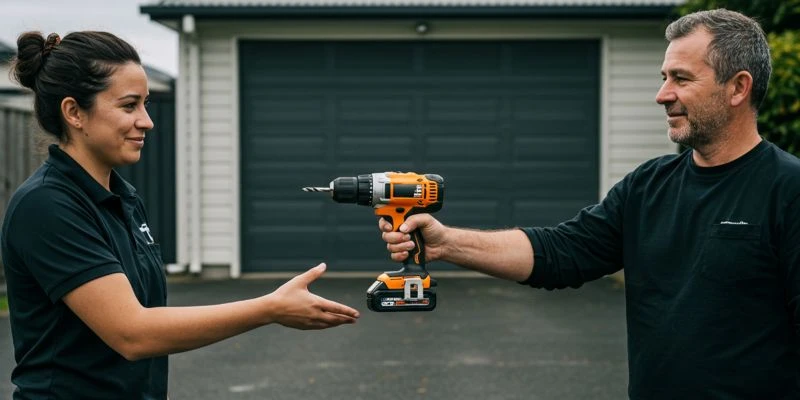

Why renting tools is so smart for families now
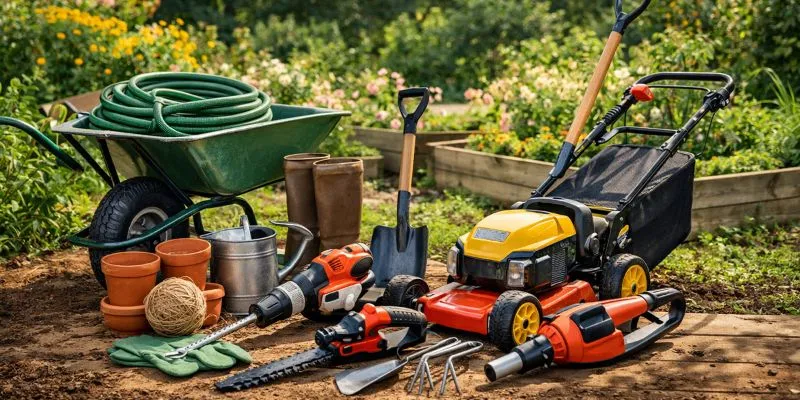
Seasonal work—spring gardening, summer decking, fall pruning or a single weekend's renovation—usually requires specialized gear you'll only use a few times. Renting instead of purchasing saves you money, doesn't take up storage space, and allows you access to the right tool for the task without the long-term inconvenience. The equipment rental or baby gear rental market in New Zealand is increasing, indicating that renters and hirers are addressing genuine, day-to-day need.
Four major advantages of tool rentals for seasonal operations
Lower cost, higher value: Quality hire equipment (pressure washers, trenchers, compactors) can be hired at a fraction of the price of buying them out right—saving hundreds on a single job. Specialist guides advise hiring costly, specialist kit for small jobs to save unnecessary expense.
No storage hassles: City houses and apartments (Auckland, Wellington) tend to be cramped; hiring avoids having to store lumpy equipment for months at a time.
Access to specialist equipment and expertise: Rental providers and pro hire houses often include demonstrations, safety briefings, and maintenance—so you use tools correctly and more safely.
Greener choices: Renting lengthens the usable life of products and reduces demand for new manufacturing—helpful in lowering household waste and resource consumption.
Genuine, local alternatives — community tool libraries and hire centres
Throughout Aotearoa, a combination of community tool libraries and professional hire shops cater to various needs:
Community tool libraries (volunteer operated or council-funded) allow members to take out everyday DIY and garden tools for a minor fee or membership. The Auckland Library of Tools and the Newtown Tool Library in Wellington are examples—both offer access to hand and power tools within the neighbourhood and encourage skill-sharing in practical ways.
Community projects and local trusts run free or low-cost tool lending for environmental and neighbourhood projects (e.g., Restore Hibiscus & Bays). These initiatives help groups organise tree-planting, pest control or street beautification without buying kit.
Commercial hire companies (regional and national) supply heavier machinery and a broader catalogue with delivery, insurance options and staff support—ideal for large or technical seasonal jobs.
The environmental case — small actions add up
New Zealand’s waste system shows the need for smarter consumption: government waste dashboards and reports underline that millions of tonnes of household and construction-related waste are processed annually. Choosing hire or borrow options for seldom-used items helps slow that flow by keeping durable goods in circulation. Renting is a practical step households can take right now.
How to choose whether to rent or buy
Estimate how often you’ll use it. If it’s less than 2–4 times a year, renting is usually cheaper.
Compare total cost. Include purchase price, maintenance, storage and eventual resale value. A pressure washer or soil auger often costs far less to rent to own for a weekend than to buy outright.
Consider safety & skill. If the tool requires special training, renting from a supplier who provides instruction makes more sense.
Think about timing. Seasonal demand can make certain tools scarce—book early for spring/summer projects to avoid disappointment.
Practical tips to get the most from a tool hire
Plan your project and book ahead. Popular items move fast in peak seasons—reserve 1–2 weeks early.
Ask about delivery and pickup. If you’re short on transport, choose suppliers that deliver and collect.
Inspect the tool on pickup. Check condition, ask for operating tips, and confirm gearfuel/oil and safety requirements.
Confirm insurance and liability. Understand who’s responsible for damage—some commercial hires include basic cover, while community libraries operate under membership terms.
Return on time and clean. Being a reliable borrower keeps local systems running smoothly and maintains goodwill in community hubs.
Where to start — community first, then pro hire if needed
Check local tool libraries and community hubs (many suburbs now list their lending libraries online or via council/resource pages). Examples include Auckland’s and Wellington’s tool libraries which operate membership models for local residents.
For heavier or specialised gear, look to reputable national or regional hire firms that provide safety briefings, delivery, and insurance.
Seasonal projects don’t have to cost a fortune
Renting tools is a practical, cost-smart, and more sustainable choice for families tackling seasonal projects. Whether you join a local tool library to build neighbourhood connection, or hire specialist kit from a reputable company, the result is the same: you get the job done well—and keep your budget, storage space and environmental footprint healthier for longer.
Ready to try renting for your next project? Explore Little Big Shed and see how much you can save this year.










Sign in to leave a comment.