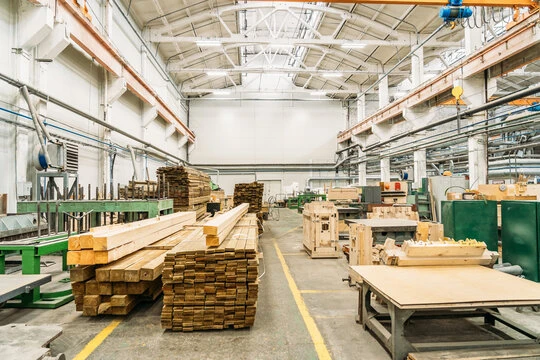

The wood industry plays a vital role in global economies, providing raw materials for construction, furniture, paper, and many other products. However, it also presents unique challenges, particularly concerning air quality. The processes involved in woodworking, such as cutting, sanding, and finishing, generate significant amounts of dust and volatile organic compounds (VOCs). These airborne contaminants pose health risks to workers and can affect the quality of finished products. As awareness of occupational health and environmental impact grows, the need for effective air purification in the wood industry has become more pressing than ever.
The Nature of Airborne Contaminants in the Wood Industry
Wood Dust
Wood dust is one of the most prevalent airborne contaminants in the woodworking industry. It is produced during various processes, such as sawing, sanding, and routing. The particle size of wood dust can vary, with fine particles being particularly concerning. These fine particles can remain airborne for extended periods, increasing the likelihood of inhalation by workers.
Wood dust poses several health risks, including respiratory issues, skin and eye irritation, and allergic reactions. Prolonged exposure to certain types of wood dust, especially from hardwoods like oak and mahogany, has been linked to serious health conditions such as chronic obstructive pulmonary disease (COPD) and nasal cancer. The International Agency for Research on Cancer (IARC) classifies wood dust as a Group 1 carcinogen, indicating a strong association with cancer in humans.
Volatile Organic Compounds (VOCs)
In addition to wood dust, the wood industry is also a significant source of VOCs. These compounds are emitted from adhesives, paints, varnishes, and finishes used in woodworking. Common VOCs include formaldehyde, benzene, and toluene. These substances can off-gas into the air, contributing to indoor air pollution.
VOCs are not only harmful to workers’ health but also contribute to environmental pollution. They can cause short-term health effects such as headaches, dizziness, and respiratory irritation. Long-term exposure can lead to more severe health problems, including liver and kidney damage, central nervous system issues, and certain types of cancer. Learn more.
The Importance of Air Purification in the Wood Industry
Given the significant health risks associated with airborne contaminants in the wood industry, implementing effective air purification systems is crucial. These systems can help reduce the concentration of wood dust and VOCs in the air, creating a safer working environment and improving product quality.
Protecting Worker Health
The primary reason for air purification in the wood industry is to protect the health of workers. Occupational exposure to wood dust and VOCs can lead to serious health conditions, as discussed earlier. By implementing air purification systems, businesses can significantly reduce workers’ exposure to these harmful substances.
Air purification systems designed for the wood industry often include dust collection systems and VOC scrubbers. Dust collection systems capture wood dust at the source, preventing it from becoming airborne. These systems use filters or cyclones to separate dust particles from the air, which are then collected in a container for disposal. VOC scrubbers, on the other hand, use activated carbon or other absorbent materials to capture and neutralize VOCs.
Enhancing Product Quality
Airborne contaminants in the wood industry can also affect the quality of finished products. For example, wood dust can settle on surfaces during finishing processes, leading to defects in coatings and finishes. Similarly, high levels of VOCs can interfere with the curing of finishes, affecting their durability and appearance.
By maintaining clean air in production facilities, businesses can ensure that their products meet quality standards and customer expectations. This is particularly important for industries that require precise finishes, such as furniture and cabinetry.
Compliance with Regulations
Regulatory agencies in many countries have established guidelines and standards for air quality in industrial settings. For example, the Occupational Safety and Health Administration (OSHA) in the United States sets permissible exposure limits (PELs) for various airborne contaminants, including wood dust and VOCs. Similarly, the European Union has established the Directive on the Protection of Workers from the Risks Related to Exposure to Carcinogens or Mutagens at Work, which includes provisions for controlling exposure to wood dust.
Compliance with these regulations is not only a legal requirement but also a moral obligation for businesses to protect their workers. Failure to comply can result in fines, legal action, and damage to a company’s reputation. Implementing air purification systems is a proactive step that businesses can take to ensure compliance and demonstrate their commitment to worker safety.
Types of Air Purification Systems for the Wood Industry
Several types of air purification systems are suitable for use in the wood industry, each with its advantages and considerations. The choice of system depends on factors such as the size of the facility, the types of processes involved, and the specific contaminants present.
Dust Collection Systems
Dust collection systems are essential for controlling wood dust in woodworking facilities. These systems are designed to capture dust at the source, preventing it from becoming airborne. The key components of a dust collection system include:
Hoods: These are placed at the point of dust generation, such as saws and sanders, to capture dust as it is produced.Ductwork: This transports the captured dust to a central collection unit.Collection Unit: This can be a baghouse, cyclone, or cartridge filter system that separates dust particles from the air.Fans: These provide the necessary airflow to transport dust through the system.Dust collection systems vary in complexity, from small portable units for individual tools to large central systems that serve entire facilities. Regular maintenance is crucial to ensure that these systems operate effectively and continue to capture dust efficiently.
Air Scrubbers
Air scrubbers are used to remove VOCs and other gaseous contaminants from the air. These systems work by passing contaminated air through a bed of activated carbon or other adsorbent materials, which capture and neutralize the VOCs. Air scrubbers are particularly important in areas where finishing processes are carried out, as these processes often involve the use of chemicals that emit VOCs.
High-Efficiency Particulate Air (HEPA) Filters
HEPA filters are used in some medical air purification systems to capture very fine particles, including wood dust. These filters are capable of capturing particles as small as 0.3 microns with an efficiency of 99.97%. HEPA filters are often used in combination with other systems, such as dust collectors, to provide additional filtration and ensure that the air is as clean as possible.
Air Exchange Systems
Air exchange systems are designed to bring fresh outdoor air into a facility while exhausting stale indoor air. These systems can help dilute airborne contaminants, including wood dust and VOCs, and improve overall air quality. In some cases, air exchange systems are combined with air purification systems to provide comprehensive air quality control.
The Economic Benefits of Air Purification
Investing in air purification systems may seem like a significant expense for woodworking businesses. However, the benefits of improved air quality can outweigh the costs in the long run. Some of the economic benefits include:
Reduced Healthcare Costs: By protecting worker health, businesses can reduce healthcare costs associated with treating respiratory issues, skin conditions, and other health problems caused by exposure to wood dust and VOCs.Increased Productivity: Workers in environments with good air quality are generally healthier and more productive. Reduced absenteeism due to illness can lead to higher productivity and efficiency.Improved Product Quality: As mentioned earlier, clean air can result in higher-quality finished products, reducing the need for rework and increasing customer satisfaction.Regulatory Compliance: Compliance with air quality regulations can help businesses avoid fines and legal issues, as well as maintain a positive reputation.Conclusion
The wood industry faces unique challenges when it comes to air quality, with wood dust and VOCs posing significant risks to worker health and product quality. Implementing effective air purification systems is essential to address these challenges. Not only does air purification protect workers and improve product quality, but it also helps businesses comply with regulations and achieve economic benefits.
As awareness of occupational health and environmental impact continues to grow, the importance of air purification in the wood industry will only increase. By investing in the right systems and technologies, businesses can create a safer, healthier, and more productive work environment.










Sign in to leave a comment.