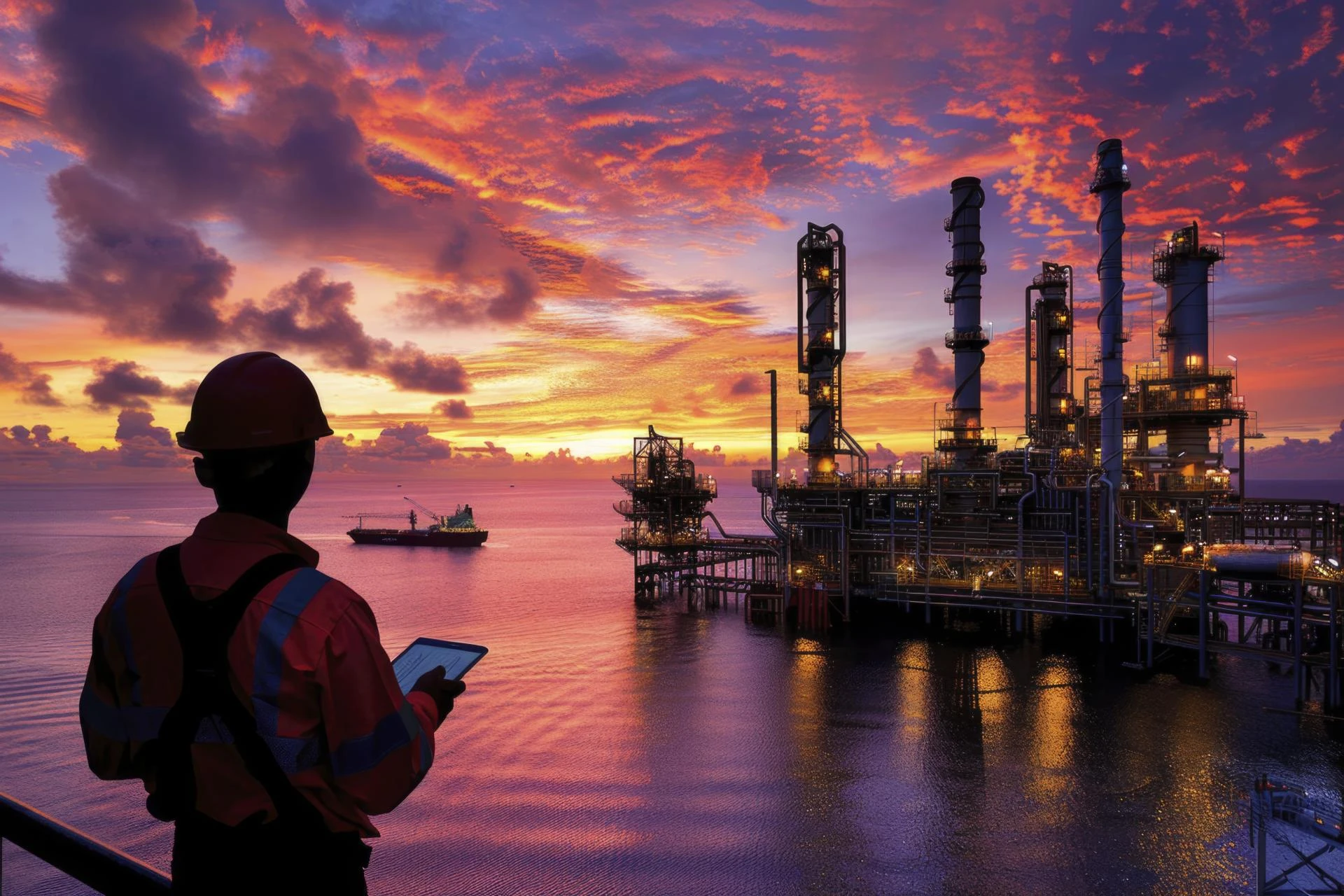

The oil and gas industry is entering a transformative phase as it embraces digitization through the rise of the Digital Oilfield. No longer confined to manual monitoring and reactive maintenance, today’s oilfield operations are being reshaped by cutting-edge technologies that bring automation, intelligence, and real-time visibility into every stage of production.
A Digital Oilfield combines smart sensors, AI-driven analytics, remote access, and cloud-based infrastructure to improve performance, reduce costs, and ensure safety. From exploration to refining, energy companies are turning to digital tools to stay competitive and aligned with a more sustainable future.
Digital Transformation: A Strategic Necessity
For decades, oil and gas operations have been driven by mechanical systems and human judgment. But now, with rising environmental responsibilities, fluctuating prices, and evolving regulations, energy companies are under pressure to increase efficiency and reduce risk. Digital Oilfields offer a powerful solution—transforming how data is collected, decisions are made, and operations are executed.
With automation managing repetitive workflows, field engineers can now prioritize complex problem-solving and strategic planning. The integration of AI, Industrial IoT, and enterprise platforms creates a connected environment that empowers smarter, faster decisions across the board.
The Three Stages of Digital Oilfield Development
1. Digital Oilfield 1.0: Remote Monitoring Begins
The first phase of Digital Oilfields introduced wireless communication and basic sensor technology. This allowed for remote data access and equipment tracking, but adoption remained limited due to high costs and system complexity.
2. Digital Oilfield 2.0: Centralized Intelligence
The second generation brought enhanced automation, centralized control centers, and the emergence of data lakes and real-time collaboration platforms. Teams across locations could analyze shared data—but industry-wide rollout faced roadblocks due to scaling issues and conservative adoption.
3. Digital Oilfield 3.0: The Intelligent Shift
Today, Digital Oilfields are equipped with AI, machine learning, and digital twins. These advanced tools help predict failures, automate processes, and simulate scenarios—driving greater efficiency, lower emissions, and better decision-making.
Core Technologies Behind the Digital Oilfield
The evolution of the Digital Oilfield is driven by a robust mix of technologies that support smarter energy operations:
IoT Devices & Smart Sensors
These tools gather operational data in real time, enabling predictive maintenance, performance optimization, and faster incident response.
Building Information Modeling (BIM)
BIM allows for detailed 3D models and planning of infrastructure, enhancing collaboration and ensuring accurate lifecycle management of critical assets.
Big Data & Advanced Analytics
Analytics platforms process large volumes of data to identify patterns, anticipate needs, and enable better long-term planning.
Artificial Intelligence (AI) & Machine Learning (ML)
AI and ML algorithms continuously learn from operational data, allowing for automated control, drilling optimization, and early risk detection.
Cloud & Edge Computing
Cloud infrastructure supports scalable storage and analytics, while edge computing powers real-time decision-making at remote or offshore sites.
Automation Systems
From inspections to diagnostics, automation reduces manual errors and boosts speed and precision across routine operations.
Digital Twins
Digital twins of equipment and processes provide a safe environment to test scenarios, monitor performance, and fine-tune operations without real-world risk.
Benefits Realized Through Digital Oilfields
Energy companies adopting Digital Oilfields are unlocking significant operational and business value:
1) Increased Operational Visibility
Real-time data allows for faster, smarter adjustments and ensures equipment operates at peak efficiency.
2) Better Reservoir Understanding
AI-enhanced geological models provide more accurate insights into underground resources, supporting effective extraction and resource conservation.
3) Lower Operational Costs
Predictive maintenance, automated processes, and intelligent drilling techniques reduce waste and optimize resources.
4) Environmental Monitoring & Compliance
Digital Oilfields allow companies to track emissions, optimize energy use, and meet regulatory requirements with greater ease.
5) Enhanced Safety Outcomes
By reducing the need for on-site presence and enabling early detection of risks, Digital Oilfields improve worker safety and minimize potential hazards.
Looking Ahead: The Future of Digital Oilfields
The Digital Oilfield represents more than a trend—it’s the foundation of future-ready energy operations. As technology continues to evolve, we can expect to see deeper integration of augmented reality, blockchain for data integrity, and autonomous systems in everyday fieldwork.
For companies willing to embrace this digital shift, the reward is not only better performance but also a sustainable and scalable model for long-term growth. Those who act now will lead the way in an increasingly competitive and environmentally conscious global energy market.












Sign in to leave a comment.