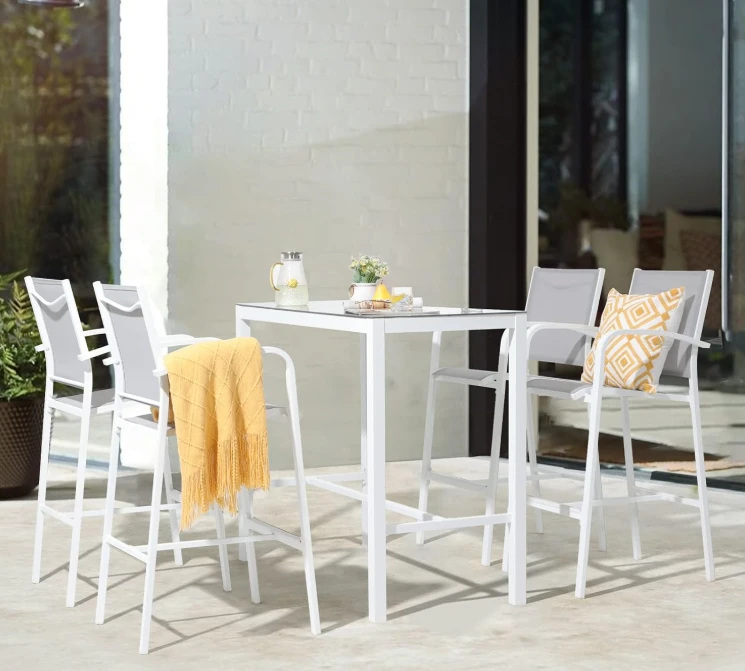

Furniture is an important aspect of residential and business environments, providing comfort, beauty, and functionality. Yet, using conventional furniture materials like wood, metal, and plastic leads to deforestation, pollution, and waste generation. With sustainability on the rise, most consumers opt for poly furniture as a green alternative.
Poly furniture, which is manufactured using recycled plastic, looks great, is long-lasting, and is environmentally friendly. This article discusses how going for poly furniture reduces waste, saves natural resources, and contributes to a greener world.
Reducing Plastic Waste
Plastic pollution is a major environmental problem, with millions of tons of plastic waste reaching landfills and oceans annually. Poly furniture consists mainly of high-density polyethylene (HDPE), plastic used in milk jugs, detergent containers, and many household items. Rather than allowing this plastic waste to sit in landfills or be toxic to marine life, manufacturers recycle it into durable and beautiful furniture.
How Poly Furniture Saves Waste:
● Redirects plastic trash away from landfills and to productive uses.
● Decreases the need for the production of new plastics, reducing carbon emissions.
● Promotes a circular economy by recycling materials rather than abandoning them.
By opting for poly furniture, customers are doing their part to lower the plastic waste that results in pollution.
Preserving Natural Resources
Wooden furniture traditionally comes from wood harvested from forests, leading to deforestation and loss of habitats. Metal and glass furniture requires energy-intensive manufacturing and mining processes. Poly furniture saves the environment by not requiring any raw materials to be extracted.
Key Environmental Benefits
● Reduces deforestation: Using recycled plastic over wood saves forests and wildlife habitats.
● Conserves water and energy: The manufacture of Poly furniture uses less energy and water than other traditional furniture materials.
● Reduces carbon emissions: Recycling plastic and transporting and processing it produces less greenhouse gas emissions than extracting and refining new materials.
By choosing poly furniture, consumers can make an eco-friendly decision that helps save natural resources and encourage sustainability.
Longevity and Durability
One of the biggest problems with conventional furniture is its short lifespan, resulting in regular replacements and more waste. Poly furniture, however, is made to last decades. Its durability results in fewer pieces being discarded, less waste, and lower resource usage.
Why Poly Furniture Lasts Longer
● Moisture and rot resistance: Poly furniture does not soak up water like wood, which keeps it from decaying and developing mould.
● UV-resistant: Unlike inexpensive plastic furniture that becomes brittle or discoloured, poly furniture is built to stay strong under long-term sun exposure.
● Endures extreme weather: In scorching heat, cold, or heavy rains, poly furniture does not lose its strength or looks.
This longevity translates into homeowners and companies not having to replace furniture so frequently, making the disposal and repurchasing process less environmentally hazardous.
Non-Toxic and Safe for the Environment
Most traditional furniture making involves toxic chemicals, i.e., volatile organic compounds (VOCs), formaldehyde, and heavy metal coatings. They emit toxic fumes, pollute the indoor air, and taint the environment when they are disposed of.
Eco-Friendly Features of Poly Furniture:
● No toxic chemicals: Poly furniture contains no toxic preservatives, paints, and sealants.
● Safe for use indoors and outdoors: Because it does not emit VOCs, it helps promote healthier indoor air.
● End-of-life recyclable: Most manufacturers provide recycling schemes so that used poly furniture is recycled and not thrown away.
Selecting poly furniture assists in reducing exposure to toxic chemicals while minimizing environmental pollution.
Minimal Maintenance Reduces Environmental Impact
Traditional furniture needs chemicals to be maintained, including varnishes, sealants, and cleaners, which contain harmful substances that can pollute the environment. Poly furniture, however, needs little maintenance.
Environmental Benefits of Eco-Friendly Maintenance
● No staining, painting, or sealing necessary: This saves the use of dangerous chemicals and decreases maintenance costs.
● Simple to clean with mild soap and water: It avoids using strong cleaning chemicals that contaminate water sources.
● Pest and mould resistant: Poly furniture does not need pesticides or antifungal sprays like wood furniture.
Since poly furniture does not need constant treatments and replacements, it supports sustainability and environmental conservation.
Final Thoughts
Selecting poly furniture is an intelligent and environmentally sound choice for those who wish to make environmentally friendly decisions. As a material that can eliminate plastic waste, save natural resources, and provide extended durability, poly furniture is the best alternative to conventional materials for being green. Its non-toxic properties, low maintenance, and compatibility with green manufacturing techniques make it suitable for consumers who value the environment.
As individuals become more aware of the advantages of sustainable living, investing in poly furniture can go a long way in mitigating environmental degradation. Poly furniture provides a fashionable, functional, and environmentally friendly option for a better tomorrow for residential, commercial, or outdoor use.














Sign in to leave a comment.