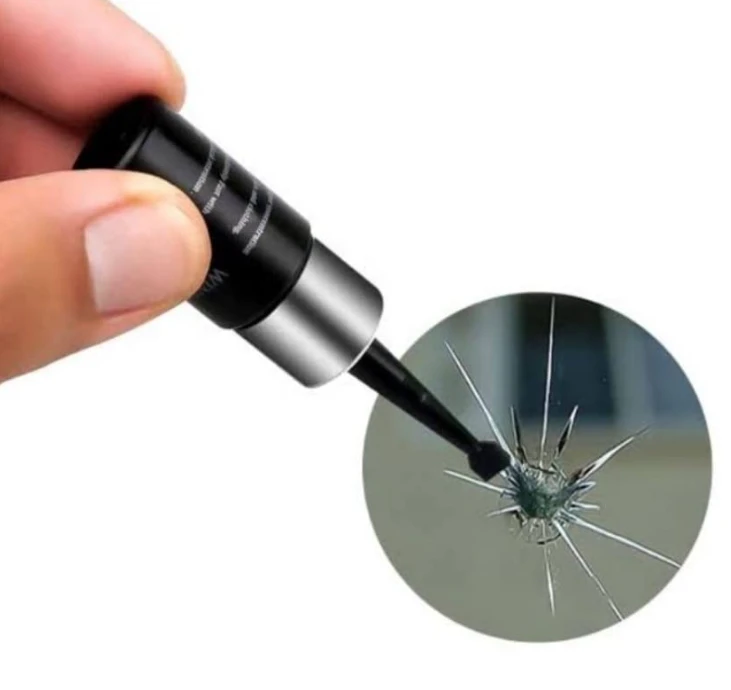

Windshield damage is one of the most common automotive repair issues. From small stone chips to short cracks, compromised glass can affect both visibility and structural integrity. Windshield repair resins provide a reliable, cost-effective way to restore strength and clarity without replacing the entire windshield.
This guide explores how these specialized resins work, their key benefits, and the best techniques to ensure long-lasting repairs.
Understanding Windshield Repair Resins
Windshield repair resins are liquid polymers engineered to penetrate chips and cracks in laminated automotive glass. Once injected into the damaged area, the resin is cured using ultraviolet (UV) light. This curing process hardens the resin, bonding it to the glass and restoring structural stability.
High-quality resins are formulated to:
- Minimize visibility of damage
- Restore up to most of the glass strength
- Resist yellowing from UV exposure
- Withstand temperature fluctuations
Key Benefits of Windshield Repair Resins
1. Cost-Effective Solution
Repairing with resin is significantly less expensive than full windshield replacement, benefiting both repair shops and customers.
2. Fast Turnaround
Most resin repairs can be completed in 30–60 minutes, improving shop efficiency and customer satisfaction.
3. Safety Restoration
A properly repaired windshield helps maintain structural support in collisions and ensures correct airbag deployment.
4. Environmental Advantages
Repairing instead of replacing reduces automotive glass waste and lowers environmental impact.
Essential Techniques for Effective Repairs
Professional results depend on proper technique and adherence to best practices.
1. Damage Assessment
Evaluate:
- Size (typically under 6 inches for cracks)
- Depth
- Location (repairs in direct driver line of sight may not be recommended)
- Type (bullseye, star break, combination break, short crack)
If the damage is too extensive or reaches the windshield edge, replacement may be safer.
2. Surface Preparation
Thoroughly clean the damaged area. Remove debris, moisture, and loose glass particles. Proper preparation ensures optimal resin adhesion and prevents trapped air pockets.
3. Resin Injection
Using a professional injector system:
- Create a vacuum to remove air from the break
- Apply controlled pressure to force resin deep into the damage
- Alternate vacuum and pressure cycles for better penetration
Precision during this step determines clarity and durability.
4. UV Curing
Expose the applied resin to UV light to harden it. Cure times vary depending on resin type and light intensity but typically take a few minutes.
5. Finishing and Polishing
After curing:
- Remove excess resin with a razor blade
- Apply pit filler if necessary
- Polish the area for improved clarity and smoothness
Best Practices for Long-Lasting Results
Use Premium-Grade Resin
Higher-quality resins provide better optical clarity and improved resistance to discoloration.
Control Environmental Conditions
Ideal working temperatures are generally between 50–75°F (10–24°C). Avoid excessive humidity and direct sunlight during injection.
Follow Manufacturer Guidelines
Each resin formulation may have specific curing times and pressure requirements.
Invest in Ongoing Training
Staying updated on modern resin technologies and repair standards ensures consistent, high-quality outcomes.
Act Quickly
Repairs performed soon after damage occurs yield better results, as debris and moisture have less time to contaminate the break.
Emerging Innovations in Repair Resins
The windshield repair industry continues evolving with:
- Low-viscosity resins for deeper crack penetration
- High-strength hybrid polymers for enhanced durability
- UV-stable formulas that resist yellowing
- Eco-conscious formulations with reduced chemical emissions
Final Thoughts
Windshield repair resins are essential tools for modern automotive maintenance. When used correctly, they offer a fast, affordable, and environmentally responsible solution to minor windshield damage. By mastering proper techniques and following industry best practices, automotive professionals and skilled DIYers can deliver safe, durable, and visually improved repairs.


Sign in to leave a comment.