
In the dynamic realm of athletics, the pursuit of peak performance is a continuous journey. While rigorous training and discipline are undeniably important, the significance of recovery is often underestimated. This is where sports recovery centre come into play, providing athletes with specialized facilities and services designed to enhance their recovery processes. These centres are pivotal in helping athletes optimize their performance, prevent injuries, and maintain their overall well-being.
Understanding the Concept of Sports Recovery Centres
Sports recovery centres are dedicated facilities that focus on the rehabilitation and recovery of athletes from various sports backgrounds. Equipped with advanced technology and staffed by trained professionals, these centres offer a comprehensive suite of services tailored to meet the unique needs of athletes. The primary aim of these facilities is to support the recovery process, allowing athletes to return to their training regimens faster and more effectively.
Typically, sports recovery centres provide a variety of modalities including cryotherapy, hydrotherapy, massage therapy, compression therapy, and nutritional counseling. Each service plays a distinct role in enhancing recovery, and together they create an environment conducive to healing and rejuvenation. The integration of these modalities is crucial, as they address the multifaceted aspects of athletic recovery, from physical rehabilitation to psychological well-being.
The Importance of Recovery in Sports
Recovery is an essential component of any athletic training program. The physical demands placed on athletes during training and competition can lead to muscle fatigue, soreness, and even injury if not properly managed. Athletes who neglect recovery may find themselves facing diminished performance, prolonged pain, and increased susceptibility to injuries.
Research has shown that effective recovery strategies can lead to improved performance outcomes. When athletes allow their bodies the time and resources to recover, they enhance muscle repair, replenish energy stores, and reduce inflammation. This not only prepares them for subsequent training sessions but also contributes to overall longevity in their sports careers.
Moreover, the psychological aspects of recovery are equally important. Athletes often experience mental fatigue, stress, and anxiety related to competition. Recovery sessions at a sports recovery centre can help alleviate these mental strains, providing a space for relaxation and mental clarity. This holistic approach to recovery fosters a balanced state of both physical and mental well-being, which is essential for optimal performance.
Key Services Offered at Sports Recovery Centres
Sports recovery centres offer a variety of services designed to aid in the recovery process. Each modality serves a specific purpose, contributing to the overall effectiveness of recovery. Here are some of the key services commonly found in these facilities:
Cryotherapy
Cryotherapy involves exposing the body to extremely cold temperatures for a brief period. This technique is known to reduce inflammation, alleviate pain, and enhance recovery. By constricting blood vessels and decreasing metabolic activity, cryotherapy helps minimize tissue damage and promotes faster healing times. Athletes often use this technique following intense training sessions or after sustaining injuries to expedite recovery.
Hydrotherapy
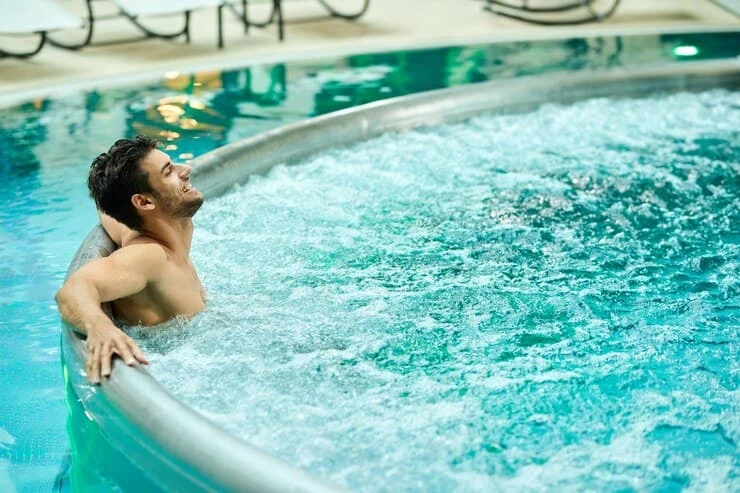
Hydrotherapy utilizes water for therapeutic purposes, offering both physical and psychological benefits. The buoyancy of water alleviates pressure on joints and muscles, making it an ideal environment for rehabilitation. Hydrotherapy can include various techniques, such as aquatic exercises, contrast baths, and whirlpool treatments. These methods help improve circulation, reduce swelling, and facilitate muscle relaxation.
Massage Therapy
Massage therapy is a cornerstone of recovery in sports. Skilled massage therapists utilize various techniques to target muscle tension, improve blood flow, and promote relaxation. Regular massage sessions can help alleviate soreness, enhance flexibility, and reduce the risk of injury. Sports recovery centres often provide specialized massage treatments tailored to the needs of athletes, focusing on specific muscle groups based on their training demands.
Compression Therapy
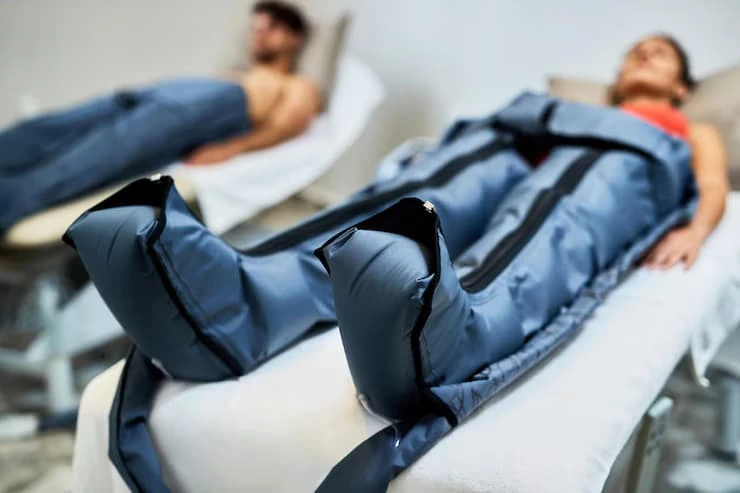
Compression therapy involves the use of specialized garments or devices that apply pressure to specific areas of the body. This technique aids in enhancing circulation and reducing swelling, facilitating faster recovery. Athletes often turn to compression therapy after intense training or competition to minimize muscle soreness and expedite the healing process.
Nutritional Counseling
Nutrition plays a vital role in the recovery process. Sports recovery centres often employ nutritionists or dietitians who specialize in sports nutrition. These professionals provide guidance on optimal dietary practices, helping athletes fuel their bodies for performance and recovery. Proper nutrition can aid in muscle repair, reduce inflammation, and enhance overall recovery outcomes.
The Role of Technology in Sports Recovery
The integration of technology in sports recovery centres has revolutionized the way athletes approach their recovery. Advanced equipment and tools are now commonplace, allowing for more precise treatments and assessments. For instance, tools such as infrared saunas, electrical stimulation devices, and biofeedback systems are increasingly being used to enhance recovery processes.
Infrared saunas utilize heat to penetrate deep into muscle tissues, promoting relaxation and increased blood flow. Electrical stimulation devices can aid in muscle recovery by mimicking the natural contractions of muscles, thereby improving circulation and reducing soreness. Biofeedback systems allow athletes to monitor their physiological responses during recovery treatments, enabling more tailored and effective recovery strategies.
The use of technology not only enhances the effectiveness of recovery modalities but also provides athletes with valuable insights into their physical well-being. By leveraging data and technology, athletes can make informed decisions about their recovery strategies and monitor their progress over time.
Creating a Personalized Recovery Plan
One of the most significant advantages of visiting a sports recovery centre is the ability to develop a personalized recovery plan. Each athlete has unique needs based on their sport, training intensity, and individual recovery requirements. Upon entering a recovery centre, athletes typically undergo an assessment to identify their specific needs and goals.
Trained professionals work closely with athletes to create tailored recovery programs that may include a combination of modalities previously mentioned. This personalized approach ensures that athletes receive the most effective treatments for their unique circumstances, maximizing the benefits of their recovery experiences.
Regular follow-ups and reassessments can further refine these recovery plans, adjusting them as needed based on the athlete's progress and evolving needs. This dynamic approach to recovery empowers athletes to take control of their recovery journey, facilitating improved performance and well-being.
The Future of Sports Recovery Centres
As the importance of recovery continues to gain recognition in the sporting world, the future of sports recovery centres looks promising. The demand for specialized recovery services is expected to grow, leading to the development of more facilities and enhanced offerings.
Innovation will play a crucial role in shaping the future of these centres. As research into recovery modalities advances, new techniques and technologies will likely emerge, further enhancing the effectiveness of recovery treatments. Additionally, the integration of virtual and augmented reality may provide athletes with immersive recovery experiences, promoting relaxation and mental well-being.
Moreover, as awareness of the importance of mental health in athletic performance increases, sports recovery centres may expand their offerings to include psychological support services. This holistic approach will ensure that athletes receive comprehensive care that addresses both their physical and mental well-being.
Conclusion
In summary, sports recovery centres are essential to the athletic landscape, providing invaluable services that support recovery and enhance performance. By understanding the various modalities available and the importance of tailored recovery strategies, athletes can significantly improve their recovery outcomes. The integration of technology and personalized plans further elevates the effectiveness of these centres, paving the way for future innovations in recovery practices. For those interested in exploring the benefits of sports recovery further, Prime Recovery offers a wealth of resources and insights to empower athletes on their journey to optimal performance and health.


Sign in to leave a comment.