

Maintaining optimal dental hygiene is a fundamental aspect of overall health and well-being that often goes overlooked in our daily lives. The mouth is not just a gateway for food and drink; it is a complex ecosystem that requires diligent care to ensure that everything functions harmoniously. By understanding the essentials of dental hygiene, individuals can cultivate a routine that not only preserves the health of their teeth and gums but also contributes to their overall vitality.
Understanding Dental Hygiene
Dental hygiene refers to the practices and habits that individuals adopt to maintain the cleanliness and health of their oral cavity. This includes regular brushing and flossing, as well as periodic visits to a dental professional. The routine may seem straightforward, yet it plays a critical role in preventing oral health issues such as cavities and gum disease. Engaging in a consistent dental hygiene regimen can create a significant difference in one’s oral health status, leading to a brighter smile and enhanced confidence.
At the core of effective dental hygiene is the practice of brushing teeth at least twice a day. This simple act helps to remove food particles and plaque, a sticky film of bacteria that accumulates on teeth. By using a fluoride toothpaste, individuals can further fortify their enamel against decay. The technique of brushing is equally important; gentle circular motions along the gum line and the surfaces of the teeth ensure a thorough clean without damaging the gums. It is often recommended to replace one's toothbrush every three months or sooner if the bristles become frayed, as a well-maintained toothbrush is essential for optimal cleaning.
The Role of Flossing
While brushing is crucial, it alone is not sufficient for achieving comprehensive dental hygiene. Flossing plays an indispensable role in cleaning areas that toothbrushes cannot reach, particularly between the teeth and along the gum line. By incorporating flossing into one’s daily routine, individuals can effectively dislodge food particles and reduce plaque buildup in these hard-to-reach areas. This practice not only helps prevent cavities but also supports gum health, which is foundational for a robust dental hygiene regimen.
The technique of flossing should not be underestimated. It is essential to use a gentle sawing motion, guiding the floss between the teeth without forcing it, as this can cause injury to the gums. After the initial pass, curving the floss around each tooth and sliding it gently beneath the gum line can yield optimal results. For those who find traditional floss challenging, alternatives such as floss picks or water flossers can provide effective solutions, ensuring that everyone can find a method that suits their personal preferences.
The Importance of Regular Dental Check-Ups
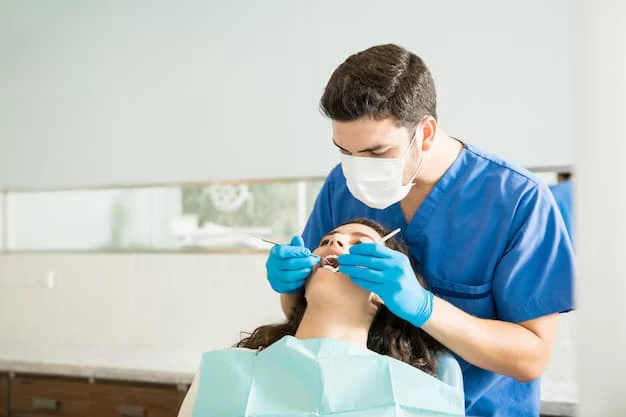
In addition to daily brushing and flossing, regular visits to a dental professional are integral to maintaining optimal dental hygiene. These check-ups allow for professional cleaning, where plaque and tartar that may have accumulated despite regular home care can be removed. Furthermore, dental professionals have the expertise to identify early signs of potential issues, providing a proactive approach to oral health.
During these appointments, it is common for dentists to perform a thorough examination of the teeth, gums, and other structures within the mouth. X-rays may also be taken to assess areas that are not visible to the naked eye, allowing for a comprehensive evaluation of one’s oral health. This collaboration between the individual and the dental professional fosters a sense of accountability and encourages a commitment to maintaining superior dental hygiene. By adhering to a schedule of routine check-ups, individuals can rest assured that they are taking proactive steps to preserve their oral health.
The Role of Diet in Dental Hygiene
While the physical practices of dental hygiene are paramount, it is equally important to consider the role that diet plays in oral health. A balanced diet rich in vitamins and minerals can significantly contribute to the maintenance of healthy teeth and gums. Nutrient-dense foods such as fruits, vegetables, whole grains, and lean proteins provide essential components that support dental hygiene.
For instance, crunchy fruits and vegetables like apples and carrots can act as natural cleansers for the teeth, helping to remove plaque while providing hydration. Similarly, dairy products are rich in calcium and phosphorous, which are vital for strengthening enamel. Limiting sugary snacks and beverages is also crucial, as sugar feeds the bacteria in the mouth, leading to increased plaque formation. By being mindful of dietary choices, individuals can enhance their dental hygiene efforts and promote a healthier mouth.
The Impact of Lifestyle Choices
Beyond diet, various lifestyle choices can further influence dental hygiene. Habits such as smoking and excessive alcohol consumption can have detrimental effects on oral health, potentially leading to issues such as gum disease and oral cancer. Conversely, engaging in healthy practices, such as staying hydrated and managing stress, can create a positive impact on one's overall oral health.
Hydration is particularly important, as water helps to wash away food particles and bacteria. Moreover, staying active and managing stress through techniques such as mindfulness or exercise can contribute to a healthier lifestyle, indirectly supporting dental hygiene efforts. By fostering a holistic approach to health, individuals can create an environment in which their dental hygiene practices thrive.
The Benefits of Optimal Dental Hygiene
The benefits of maintaining optimal dental hygiene extend far beyond the aesthetic appeal of a bright smile. Individuals who consistently engage in effective dental care often experience greater overall health, as there is a well-established link between oral health and systemic health. Research has shown that poor oral hygiene can contribute to conditions such as cardiovascular disease and diabetes. By prioritising dental hygiene, individuals can safeguard not only their smiles but also their overall well-being.
In addition to the health benefits, the social and psychological advantages of good dental hygiene cannot be overlooked. A healthy smile can boost self-esteem and enhance interpersonal relationships, fostering confidence in social situations. Moreover, the practice of dental hygiene can become a fulfilling part of one’s daily routine, instilling a sense of discipline and care for oneself.
In summary, the essentials of maintaining optimal dental hygiene encompass a comprehensive approach that includes regular brushing, diligent flossing, routine professional check-ups, mindful dietary choices, and healthy lifestyle habits. By embracing these practices, individuals can cultivate a radiant smile while promoting their overall health and well-being. Each small effort contributes to a larger tapestry of oral health, creating a foundation for a lifetime of confidence and vitality.











Sign in to leave a comment.