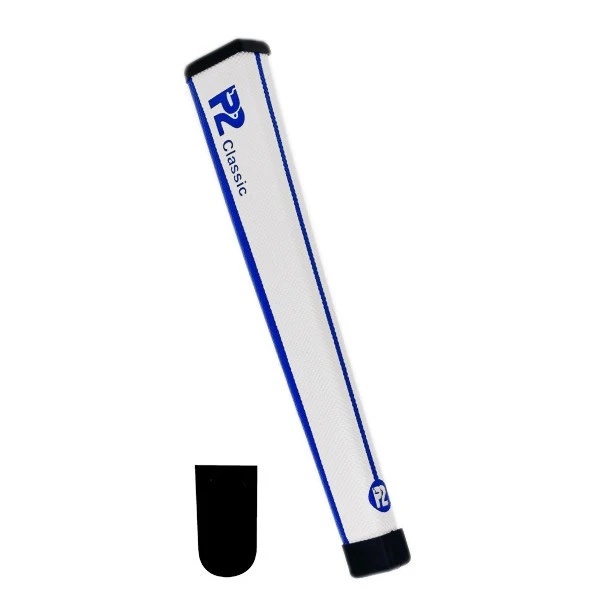

Golf is a sport that demands precision, control, and consistency. Among the many aspects that influence a golfer’s performance, the putter grip plays a crucial role. While often overlooked, the right grip can significantly impact a player’s stroke, stability, and confidence on the greens. This article explores the importance of putter grips, how they have evolved, and how they contribute to a golfer’s overall performance.

Understanding the Role of Putter Grips
The putter grip is the only point of contact between the golfer and the club, making it an essential component of putting performance. It influences hand positioning, stroke consistency, and the overall feel of the putt. A well-designed P2 Golf Putter Grips can help golfers maintain a steady stroke, reducing unnecessary wrist movement and ensuring a smooth, controlled motion.
Historical Evolution of Putter Grips
Putter grips have evolved significantly over the years. Traditionally, grips were made from leather wraps, offering a simple yet effective hold. As golf technology advanced, rubber and synthetic materials became popular, providing better durability and comfort. Modern grips now incorporate ergonomic designs, advanced textures, and varying firmness levels to cater to different putting styles.
Types of Putter Grips
There are various types of putter grips available today, each offering unique advantages:
- Standard Grips – These are the traditional grips that have a uniform, slim design. They provide a conventional feel and are suitable for golfers who prefer a classic putting stroke.
- Oversized Grips – Larger in diameter, oversized grips help reduce wrist action, promoting a more stable stroke. These grips are ideal for golfers who struggle with excessive hand movement.
- Pistol Grips – Featuring a tapering design that mimics the shape of a pistol handle, these grips allow for a natural hand position, improving control and consistency.
- Flat Front Grips – These grips have a flat front surface, helping golfers align their hands properly and maintain a square face throughout the stroke.
- Counterbalanced Grips – Designed to redistribute weight, these grips shift the balance point upward, providing better stability and control.
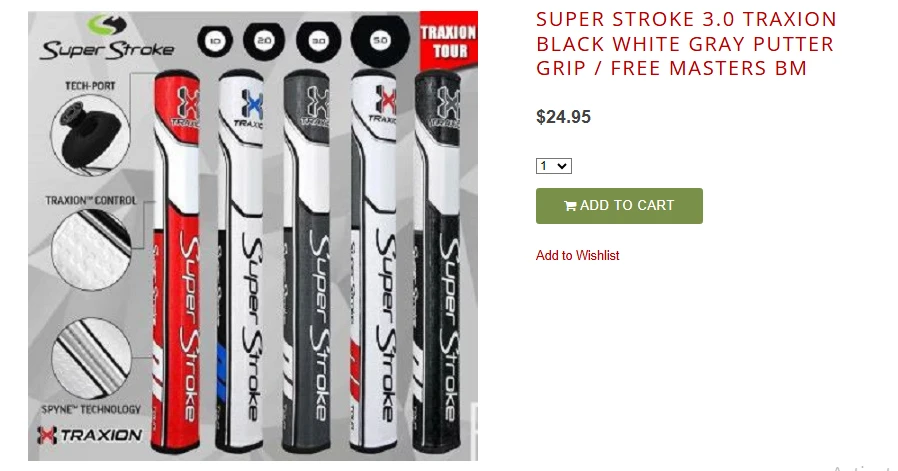
Material Innovations in Putter Grips
Modern putter grips are crafted using high-quality materials that enhance performance. Some of the most commonly used materials include:
- Rubber – Offers durability and a soft feel, making it a popular choice among golfers.
- Polyurethane – Provides excellent grip and comfort, reducing hand fatigue.
- Corded Grips – These grips have a rough texture, improving traction and preventing slippage in wet conditions.
- Hybrid Materials – Combining different elements, hybrid grips offer the best of both worlds, balancing comfort and firmness.
Impact of Putter Grip Size and Shape
The size and shape of a putter grip significantly affect a golfer’s stroke mechanics. A thicker grip reduces wrist action, promoting a pendulum-like stroke, while a slimmer grip provides more feedback, allowing for greater touch and feel. The choice of grip size and shape depends on a golfer’s putting technique and personal preference.
How to Choose the Right Putter Grip
Selecting the right putter grip involves considering several factors:
- Hand Size – Golfers with larger hands may benefit from oversized grips, while those with smaller hands might prefer standard or pistol grips.
- Stroke Style – A straight-back-and-through stroke pairs well with larger grips, whereas an arcing stroke benefits from traditional shapes.
- Feel and Comfort – The grip’s texture, firmness, and material should align with a golfer’s comfort preferences.
- Weather Conditions – Golfers who play in humid or rainy conditions should opt for textured grips that enhance traction.

Proper Maintenance of Putter Grips
To ensure longevity and optimal performance, putter grips require regular maintenance. Some essential tips include:
- Cleaning Regularly – Wiping down grips with a damp cloth and mild soap removes dirt and oils, maintaining their texture and tackiness.
- Storing Properly – Keeping putters in a cool, dry place prevents grip deterioration.
- Replacing When Needed – Over time, grips wear out and lose their effectiveness. Replacing grips annually or when signs of wear appear is recommended.
The Psychological Influence of Putter Grips
Beyond physical benefits, putter grips also play a psychological role in golf. A grip that feels comfortable and secure instills confidence in a golfer, leading to better focus and consistency. Many professional golfers experiment with different grips to find one that enhances their mental comfort on the greens.
In the game of golf, every detail matters, and the putter grip is no exception. Choosing the right grip can enhance stability, control, and overall performance. Whether opting for a traditional design or an advanced ergonomic model, golfers must find a grip that complements their stroke style and preferences. With advancements in grip technology and materials, players now have more options than ever to fine-tune their putting game and gain a competitive edge.











Sign in to leave a comment.