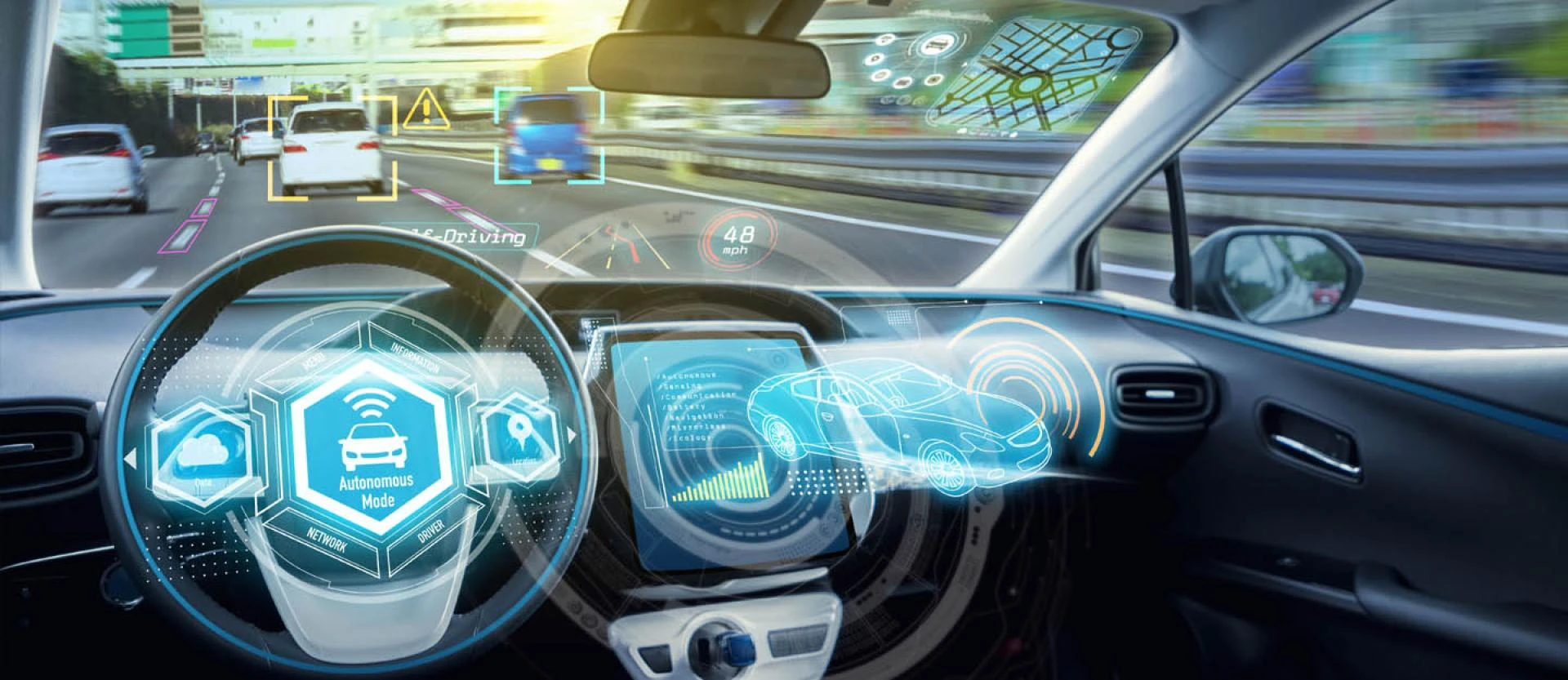

In the ever-changing landscape of automotive technology, safety features have evolved significantly over the years. From the early days of seat belts to the advent of advanced driver assistance systems (ADAS) powered by artificial intelligence (AI), the journey of enhancing car safety has been both remarkable and lifesaving. For those in Brisbane looking to upgrade their vehicles and ensure road safety, explore the evolution of car safety features and take advantage of free car wrecker Brisbane. This blog delves into the timeline from basic to cutting-edge safety features, exploring how these advancements have reshaped the driving experience
The Early Days: Seat Belts and Beyond
The journey towards safer roads began with the introduction of seat belts. In the mid-20th century, these simple yet effective restraints became a standard feature in vehicles, significantly reducing the risk of injury during collisions. As awareness of the importance of restraint systems grew, the automotive industry embraced innovations like airbags, providing an additional layer of protection in the event of a crash.
Crash Avoidance Technologies
The next significant leap in car safety came with the introduction of crash avoidance technologies. Anti-lock braking systems (ABS) emerged to prevent skidding during hard braking, enhancing the driver's ability to maintain control. Traction control systems further improved stability, especially in adverse weather conditions. These innovations marked a paradigm shift from mitigating the impact of a crash to actively preventing collisions.
The Rise of Electronic Stability Control (ESC)
Electronic Stability Control (ESC) emerged as a game-changer in the pursuit of accident prevention. By automatically applying brakes to individual wheels, ESC helps drivers maintain control during skidding or loss of traction. This technology became particularly crucial in reducing the incidence of rollovers, contributing significantly to overall road safety.
Advanced Driver Assistance Systems (ADAS)
As technology advanced, cars became equipped with a suite of Advanced Driver Assistance Systems (ADAS). These systems leverage sensors, cameras, and radar to enhance the driver's situational awareness and response capabilities. Adaptive cruise control, lane departure warning, and automatic emergency braking are among the features that define the contemporary driving experience, acting as virtual co-pilots to mitigate risks.
The Integration of Artificial Intelligence (AI)
In recent years, the integration of Artificial Intelligence (AI) has marked a new frontier in car safety. AI-powered systems can analyse complex data in real-time, enabling predictive capabilities that go beyond traditional safety measures. For instance, AI algorithms can anticipate potential collisions, identify pedestrians or cyclists, and even intervene to prevent accidents.
The Road Ahead: Autonomous Vehicles
The future of car safety is intrinsically linked to the development of autonomous vehicles. While fully autonomous cars are still in the testing phase, they hold the promise of revolutionising road safety. AI-driven autonomous systems have the potential to eliminate human error, a significant factor in a majority of accidents. The evolution towards self-driving cars represents the culmination of decades of innovation in car safety.
The Human Impact: Lives Saved and Injuries Prevented
As car safety features evolved, the real impact has been felt in lives saved and injuries prevented. The widespread adoption of seat belts alone is estimated to have saved countless lives. The combination of airbags, ABS, and other technologies has further contributed to a substantial reduction in the severity of injuries sustained in accidents. Each innovation represents a step forward in preserving human life and minimising the consequences of unforeseen events on the road.
Challenges and Considerations
While celebrating the strides made in car safety, it's essential to acknowledge the challenges and considerations that accompany these advancements. The increased reliance on AI brings forth questions related to cybersecurity and the potential for system malfunctions. Striking the right balance between technological innovation and ensuring fail-safe mechanisms remains an ongoing challenge for the automotive industry.
Affordability and Accessibility
As cutting-edge safety features become more prevalent, addressing issues of affordability and accessibility becomes crucial. The initial high costs associated with advanced safety technologies can create disparities, limiting their availability in entry-level vehicles. Ensuring that these innovations are accessible across a broad spectrum of vehicles is essential for democratising road safety.
Regulatory Frameworks and Global Standards
The global nature of the automotive industry necessitates the development of consistent regulatory frameworks and safety standards. As innovations in car safety transcend geographical boundaries, establishing universally accepted guidelines ensures that manufacturers adhere to a set of norms that prioritise the well-being of drivers, passengers, and pedestrians alike.
Public Awareness and Education
The successful integration of advanced safety features requires not only technological prowess but also a concerted effort in public awareness and education. Many drivers may not fully understand the capabilities of the safety systems in their vehicles. Bridging this knowledge gap through educational initiatives ensures that individuals can make the most of these features, maximising their effectiveness in real-world scenarios.
Environmental Considerations
As we celebrate the evolution of car safety, it's essential to consider the environmental impact of these advancements. The production and integration of sophisticated safety technologies involve resources and energy. Striking a balance between safety enhancements and environmental sustainability is a challenge that requires ongoing attention as the automotive industry navigates towards a greener future. For learning more about junk car removal click here..
Conclusion
From humble beginnings with seat belts to the sophisticated AI-driven safety systems of today, the evolution of car safety features is a testament to human ingenuity and a commitment to making roads safer for everyone. As technology continues to progress, the integration of AI and the eventual realisation of autonomous vehicles signal a future where road accidents may become a rare occurrence. The journey from airbags to AI is not just a technological evolution; it's a narrative of continuous efforts to protect lives and ensure a safer driving experience for generations to come.












Sign in to leave a comment.