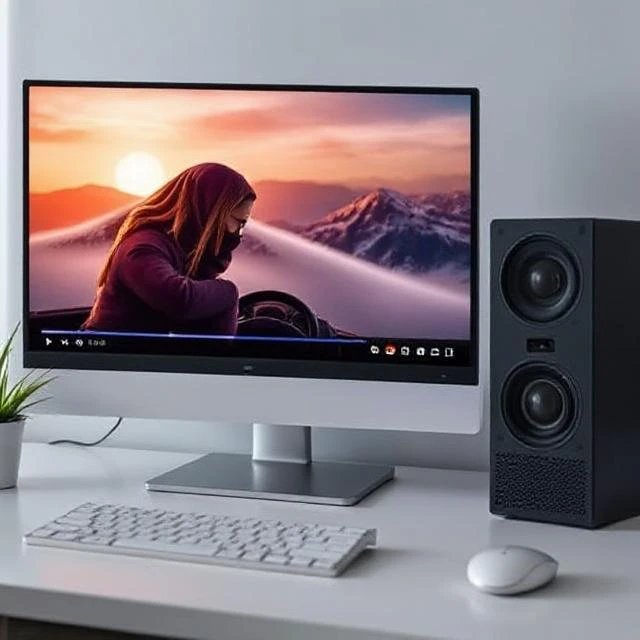

The world of video playout has undergone a dramatic transformation over the past few decades. What once relied on heavy, cumbersome hardware and tape-based systems is now increasingly driven by software running on cloud infrastructure. The evolution of video playout software is not just a story of technological advancement; it’s a tale of how the industry has adapted to meet growing demand for flexibility, efficiency, and scalability. Let’s take a journey through this transformation, examining how video playout has evolved from tape-based solutions to cloud-based systems.
The Era of Tape-Based Video Playout
In the early days of television, video playout was a labor-intensive process. Broadcasters relied heavily on physical tapes (VHS, Betacam, etc.) to store and playout content. Video playout systems involved manually loading these tapes into machines that would then cue the video to air at a designated time. This method was prone to errors, such as tape wear, misalignment, or accidental damage, all of which could result in costly mistakes during a live broadcast.
The systems were bulky and required highly trained operators to handle all aspects of the playout process. Everything from cueing the tape to switching between different video feeds was done manually. Scheduling software did exist but was limited in capability and required a lot of manual oversight. Tape-based systems were also costly to maintain, with broadcasters having to purchase and store vast quantities of video tapes and associated hardware.
The Shift to Digital Video Servers
As technology advanced in the late 1990s and early 2000s, the transition from tape-based playout to digital video servers began to take shape. These digital servers provided greater flexibility and reliability compared to tapes. No longer reliant on physical tapes, broadcasters could now store and playout content in digital formats, which eliminated the issues of tape degradation and wear.
Digital playout servers also allowed for more sophisticated scheduling, automation, and playback management. These servers could handle multiple video formats and resolutions, and their integration with automation systems made it possible to pre-schedule content with much more precision. Broadcasters could now operate 24/7 without the need for human intervention during live broadcasts, significantly reducing costs and the risk of human error.
However, digital video servers still had their limitations. While they were far more reliable than tapes, they were still hardware-based, requiring significant infrastructure investments. Additionally, expanding or upgrading these systems meant physical hardware upgrades, which could be costly and time-consuming.
The Rise of Software-Based Video Playout
With the growing demand for more flexibility, scalability, and cost-effectiveness, broadcasters and content providers began to look for new solutions that didn’t rely on bulky hardware. This led to the development of software-based playout systems, which could be run on standard IT hardware rather than proprietary video servers.
Software-based playout systems revolutionized the industry. They offered much greater flexibility, allowing broadcasters to manage and playout content from centralized, software-driven platforms. Scheduling, automation, and content management could now be handled from a single interface, making the entire process more efficient. The need for specialized hardware was reduced, and software could run on off-the-shelf IT infrastructure.
Additionally, the ability to scale these systems up or down became much easier. Broadcasters could add additional software licenses or increase server capacity as their needs grew without having to worry about physical hardware limitations. The advent of software-based video playout also reduced costs significantly, allowing smaller broadcasters to take advantage of the same technologies that were previously available only to larger networks.
Cloud-Based Video Playout: The Future is Now
The latest phase in the evolution of video playout software has been the rise of cloud-based solutions. Cloud technology has transformed nearly every industry, and broadcasting is no exception. Cloud-based playout solutions enable broadcasters to store, manage, and playout content entirely in the cloud. This eliminates the need for on-premise hardware and infrastructure, dramatically lowering capital expenditures and maintenance costs.
With cloud-based playout, broadcasters can now access and control their content from anywhere in the world. The cloud enables instant scalability, allowing for the rapid deployment of new channels or the expansion of existing ones without the need for expensive hardware upgrades. Additionally, cloud playout systems offer redundancy and failover capabilities, ensuring a high level of reliability and uptime.
Cloud-based solutions are also more flexible when it comes to integrating with other cloud services, such as content delivery networks (CDNs), advertising systems, and analytics platforms. This allows broadcasters to offer personalized, on-demand content and target ads more effectively, creating new revenue opportunities.
Moreover, cloud solutions allow for more efficient workflows. By leveraging the cloud, broadcasters can consolidate their operations, automate tasks, and reduce the need for on-site staff. This is particularly beneficial for smaller broadcasters or those in regions with limited resources, as it lowers the barriers to entry for creating and distributing high-quality broadcast content.
Challenges and Considerations
While the shift to cloud-based video playout brings numerous advantages, there are still challenges to overcome. For example, internet bandwidth and latency can sometimes be an issue, especially for live broadcasts. Security is also a concern, as broadcasters need to ensure that their content is protected from cyber threats.
Another consideration is the ongoing need for compatibility with legacy systems. Many broadcasters still rely on older technologies, and transitioning to the cloud may require significant changes to their existing infrastructure. Training staff to work with new cloud-based platforms and systems is another potential hurdle.
Conclusion
The evolution of video playout software from tape-based systems to cloud-based solutions has been a journey of technological innovation, with each step bringing greater efficiency, flexibility, and cost-effectiveness. While tape-based systems were the foundation of broadcast television, digital servers, software-based solutions, and now cloud technology have opened up new possibilities for broadcasters of all sizes.













Sign in to leave a comment.