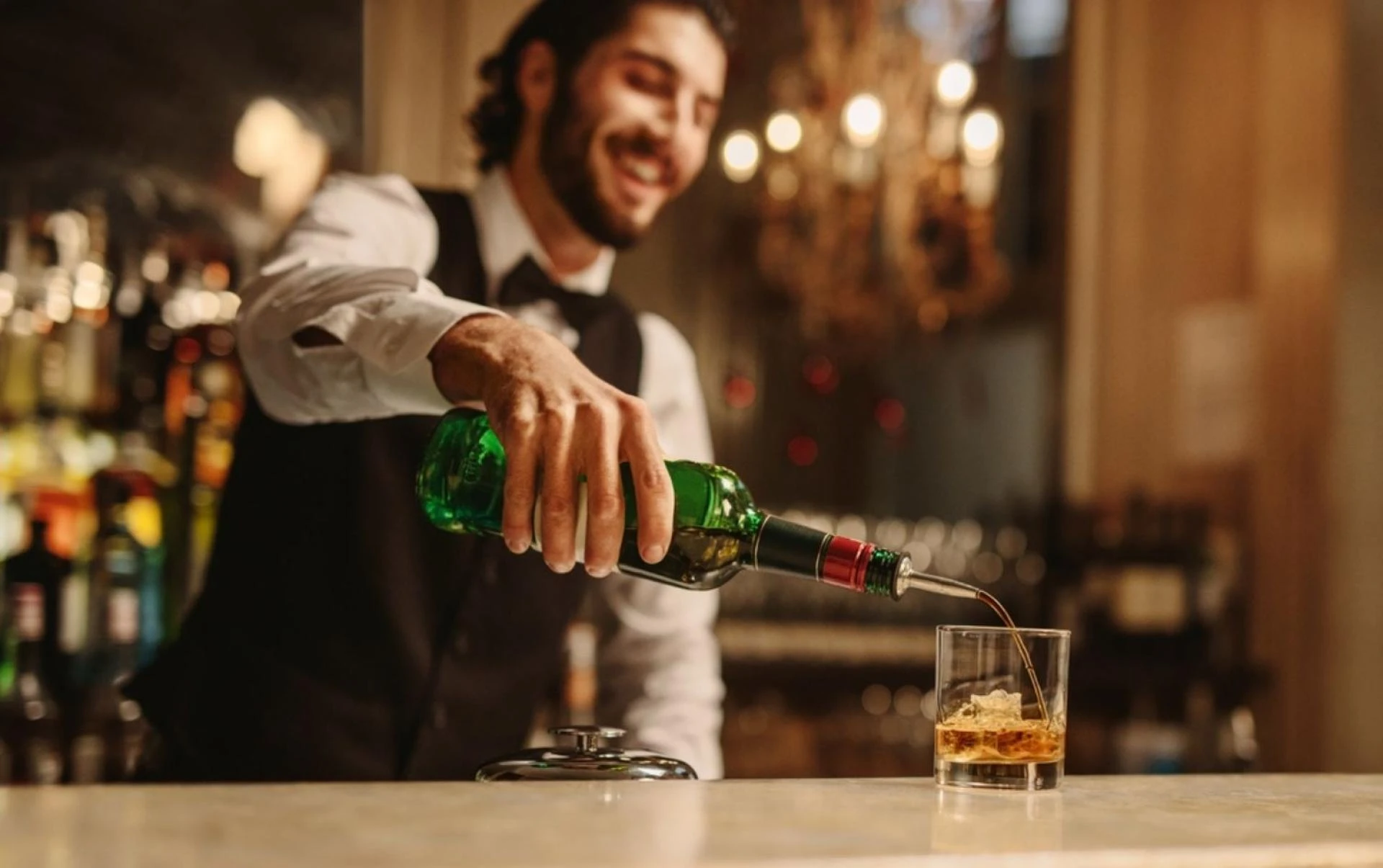

The fermented alcoholic beverages market is experiencing a resurgence, fueled by a growing consumer interest in traditional brewing methods, artisanal craftsmanship, and unique flavor profiles. This market, estimated to surpass USD 400 billion globally in 2024, is projected to witness a CAGR (Compound Annual Growth Rate) exceeding 4.5%, reaching a potential value of over USD 500 billion by 2030. This summary explores the driving forces behind this market expansion and highlights key trends shaping the future of fermented alcoholic beverages.
Market Growth Drivers:
Craft Beer Boom: The rise of craft breweries is a significant driver, offering consumers diverse options beyond mass-produced beers, with a focus on local ingredients and unique brewing techniques.Wine Renaissance: A renewed interest in natural wines, biodynamic practices, and regional grape varietals is propelling growth in the wine segment.Cider's Comeback: Cider, a traditional fermented beverage, is experiencing a resurgence, particularly in Europe and North America, with innovative flavor variations and artisanal production methods attracting consumers.Demand for Premiumization: Consumers are increasingly willing to pay more for premium fermented alcoholic beverages with higher quality ingredients, unique flavors, and limited-edition offerings.Focus on Local and Sustainable Practices: Consumers are drawn to brands that prioritize locally sourced ingredients, sustainable production methods, and environmentally friendly packaging.Market Segmentation and Regional Variations:
The market is segmented by:
Beverage Type:Beer (craft beers, lagers, ales, stouts, etc.)Wine (red, white, sparkling, natural, etc.)Cider (traditional, hard cider, flavored cider)Other (mead, sake, kombucha, etc.)Region:The craft beer movement is particularly strong in North America and Europe.Wine holds a dominant position in Europe and is increasingly popular in Asia Pacific.Cider consumption is concentrated in Europe and North America.Looking Ahead: A Future Steeped in Flavor and Innovation
The future of the fermented alcoholic beverages market is expected to be shaped by:
Continued Growth of Craft and Artisanal Producers: Expect a rise in small-batch breweries, wineries, and cideries offering unique and localized products.Experimentation with Flavors and Ingredients: Innovation in flavor profiles, brewing techniques, and aging processes will lead to exciting new products.Focus on Sustainability and Transparency: Consumers will demand greater transparency regarding sourcing, production practices, and environmental impact.E-commerce Growth: Online platforms will play a key role in facilitating sales, providing consumers with wider access to niche products and craft beverages.Direct-to-Consumer (D2C) Model Expansion: Breweries, wineries, and cideries are likely to explore D2C models, bypassing traditional distribution channels and connecting directly with consumers.By embracing innovation, prioritizing quality ingredients and local sourcing, and catering to evolving consumer preferences, the fermented alcoholic beverages market is poised to continue its upward trajectory. This market will offer a wider selection of flavorful, high-quality drinks, catering to a discerning audience seeking unique and traditional alcoholic beverages.










Sign in to leave a comment.