

In the fast-paced world of aviation, accurate and real-time information has become the backbone of modern travel experiences. From booking a flight to tracking live departures and arrivals, technology is transforming how developers and businesses interact with the aviation ecosystem. At the heart of this transformation lies the flight data API, an essential tool that bridges airlines, airports, and travel platforms with developers and end-users.
Whether you’re building a travel application, a flight tracking tool, or integrating aviation data into a logistics system, understanding the importance of these APIs is crucial. Let’s explore how they’re reshaping the industry and why developers and technology leaders should pay close attention.
What Are Flight APIs?
A Flight API acts as a gateway that allows developers to access live and historical aviation data. Instead of manually collecting data from multiple sources, APIs consolidate information such as:
- Real-time flight status (arrivals, delays, cancellations)
- Airline schedules and timetables
- Airport details and codes
- Aircraft models and routes
- Historical flight records
By plugging into these APIs, developers can create seamless, data-driven applications for travelers, airlines, and service providers.
Why Are Flight Data APIs So Important?
The aviation sector is an ecosystem of constant movement. Flights take off and land every second, delays ripple across time zones, and customers demand transparency. Without a flight data API, keeping track of this dynamic environment would be nearly impossible.
For developers, these APIs provide a standardized way to gather information and push it into applications in real time. Businesses use this data to:
- Power flight-tracking apps like FlightAware or Flightradar.
- Enhance travel booking platforms with accurate schedules.
- Improve customer experiences with notifications on gate changes or delays.
- Assist logistics and cargo companies with precise tracking.
In short, APIs are not just technical tools; they’re enablers of modern travel convenience.
Benefits of Integrating Flight APIs into Applications
1. Real-Time Accuracy
Travelers expect instant updates. APIs ensure that your app or service provides the most reliable and up-to-date flight information without delays.
2. Cost Efficiency
Instead of building a database from scratch or negotiating directly with multiple airlines, developers can use a single API provider to fetch everything. This reduces costs and complexity.
3. Enhanced User Experience
Nothing frustrates travelers more than outdated flight schedules. APIs keep customers engaged by delivering transparency and building trust.
4. Scalability for Developers
As your app grows, the demand for more routes, airlines, and airports increases. APIs scale seamlessly with your requirements, allowing you to expand globally.
Use Cases Across Industries
- Travel Agencies: Show accurate booking options and up-to-date schedules.
- Airline Apps: Offer passengers real-time notifications about delays or boarding.
- Corporate Travel Solutions: Help companies manage employee trips efficiently.
- Logistics & Cargo: Track the movement of goods by air with precision.
- Research & Analytics: Analyze historical flight data for trends and predictions.
These use cases prove that flight APIs aren’t just limited to aviation—they impact a wide variety of industries.
Key Features to Look for in a Flight Data API
Not all APIs are created equal. If you’re a developer, here are some features to prioritize before choosing a provider:
- Global Coverage – Ensure the API covers airlines and airports worldwide.
- Real-Time Data – Live updates on departures, arrivals, and cancellations.
- Historical Access – Ability to fetch past data for research and trend analysis.
- Scalability – Handles thousands of requests without latency issues.
- Developer-Friendly Documentation – Easy integration with clear guidelines and examples.
How Developers Can Leverage Flight APIs
Developers thrive on flexibility, and flight APIs provide exactly that. Some ways to integrate them include:
- Mobile Apps: Deliver push notifications about gate changes or delays.
- Web Platforms: Offer booking comparison tools with accurate schedules.
- Dashboards: Build custom internal tools for airlines or logistics companies.
- Data Analytics Systems: Feed aviation data into machine learning or BI models for predictions.
By combining these APIs with modern programming frameworks, developers can create innovative tools that redefine travel experiences.
The Future of Aviation Data Integration
The future of air travel is not only about faster planes but also about smarter technology. With increased digitization, APIs will become even more powerful by integrating with:
- IoT devices: Smart airports providing real-time boarding updates.
- AI-powered assistants: Personalized travel itineraries with predictive analytics.
- Blockchain: Secure and transparent sharing of passenger and cargo data.
This means that flight data APIs will continue to be the backbone of innovation, supporting developers who want to stay ahead of the curve.
FAQs
1. What is a Flight API used for?
A Flight API is used to fetch real-time and historical flight information, including schedules, delays, airline routes, and airport details. Developers integrate it into apps or systems to improve user experience and accuracy.
2. How accurate is a Flight Data API?
Most trusted API providers offer highly accurate, real-time data sourced from airlines, airports, and aviation authorities. The precision depends on the provider’s coverage and update frequency.
3. Can small businesses use Flight APIs?
Yes. Small businesses, travel agencies, or even individual developers can integrate flight APIs to create niche applications without huge infrastructure costs.
4. What industries benefit most from Flight Data APIs?
Industries like travel, hospitality, logistics, and even financial services (for market analysis) benefit greatly from flight data integration.
Final Thoughts
For developers and technology leaders, flight APIs represent a massive opportunity. They simplify complex aviation data, empower innovative applications, and enhance customer experiences across industries. As digital transformation accelerates, integrating a flight data API into your solution will not only future-proof your application but also ensure it remains competitive in a constantly evolving aviation landscape.
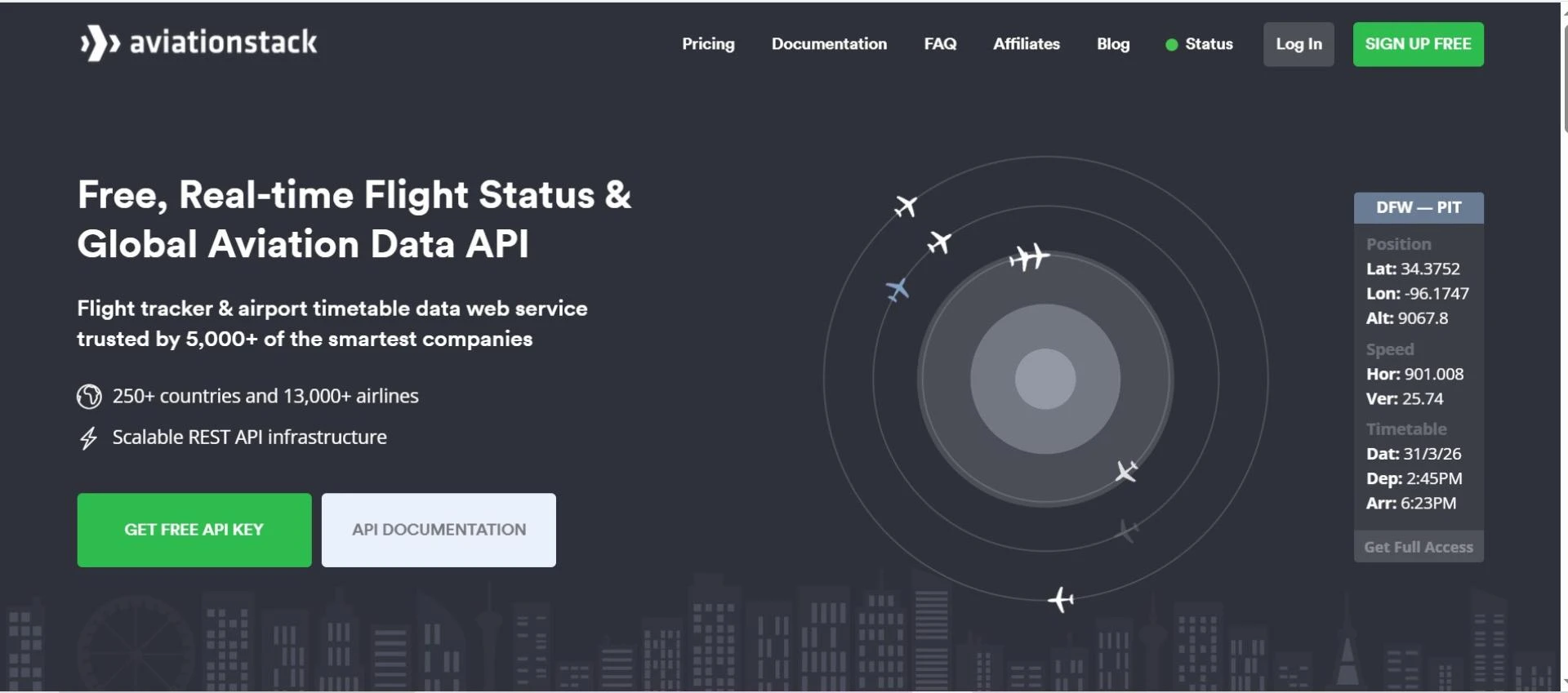
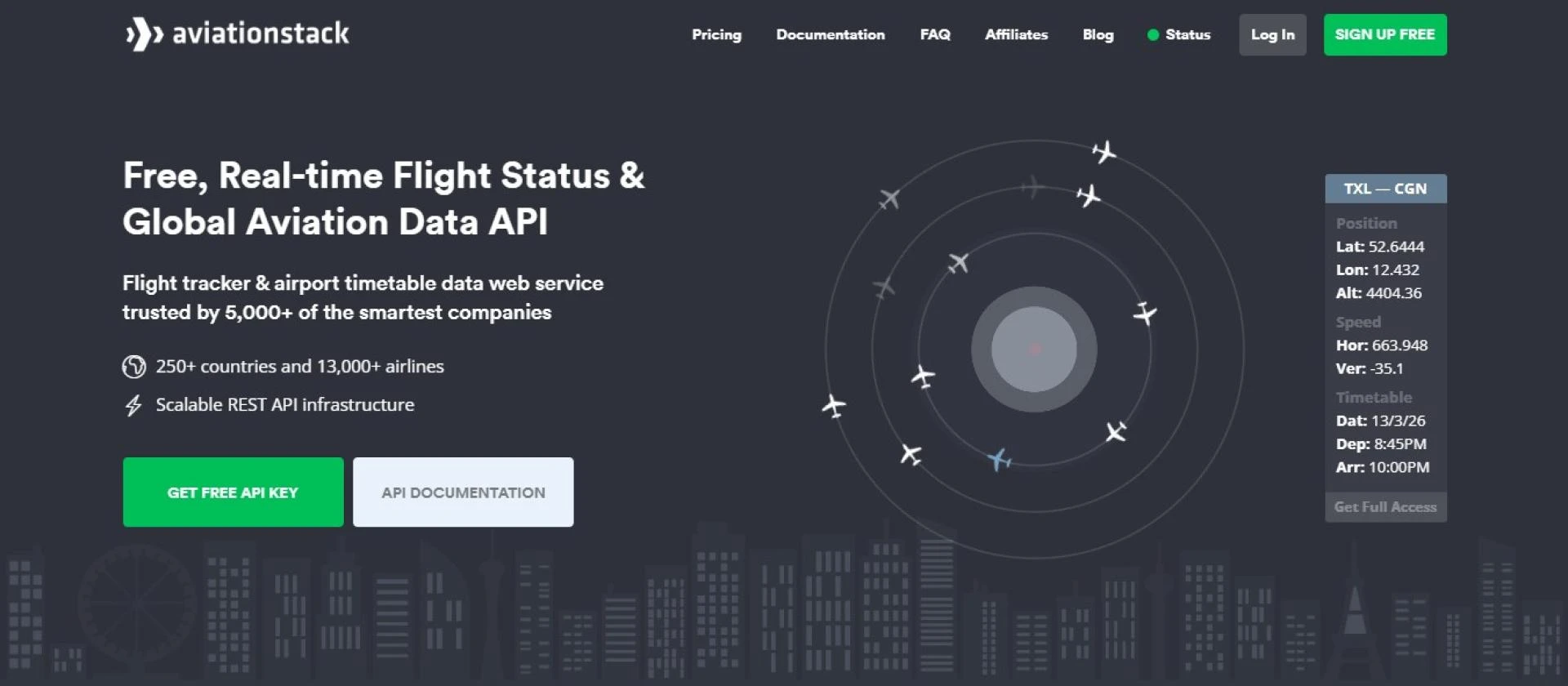
If you’re looking for a reliable partner in this space, platforms like Aviationstack offer scalable, developer-friendly APIs with global coverage and real-time accuracy.











Sign in to leave a comment.