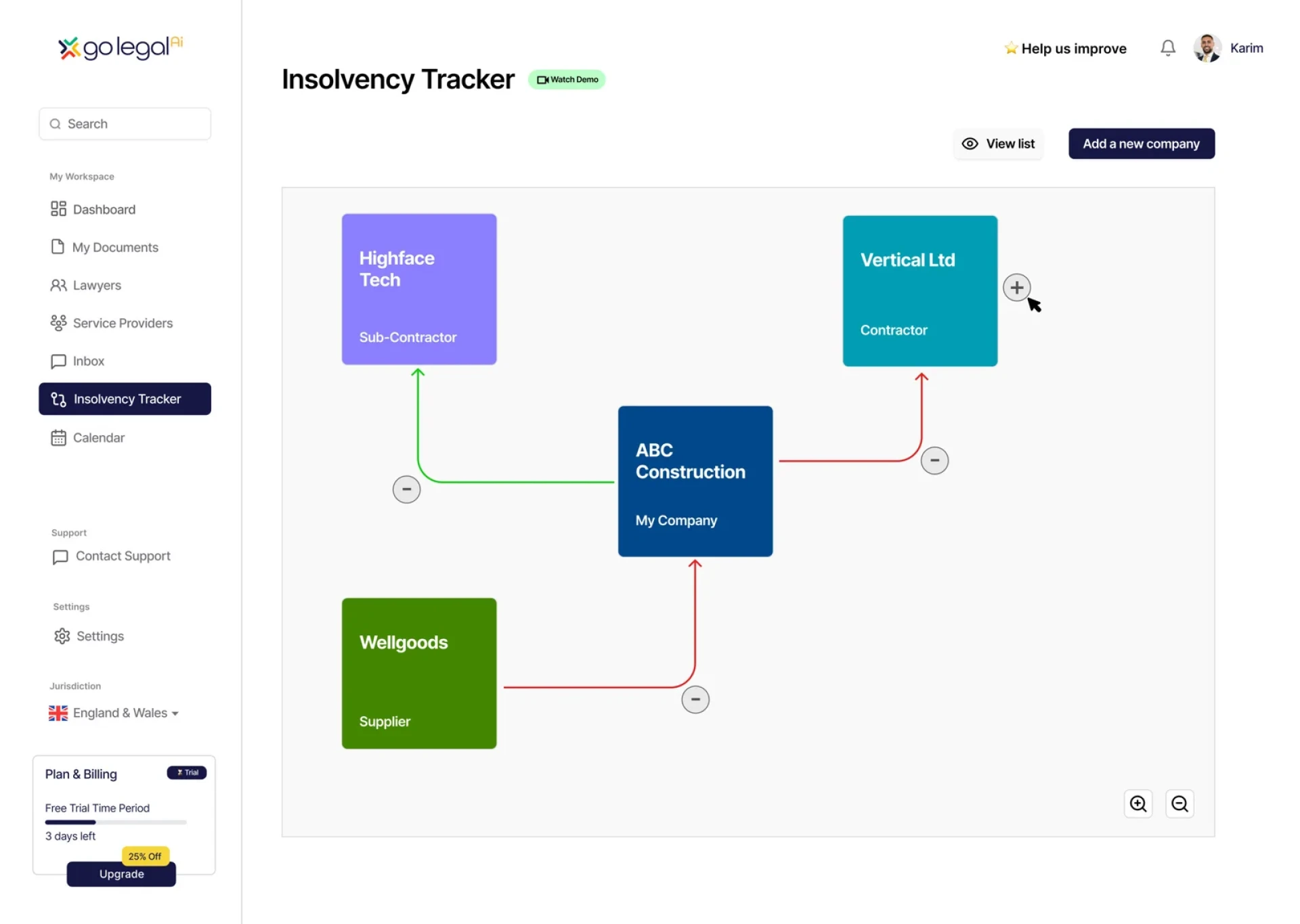

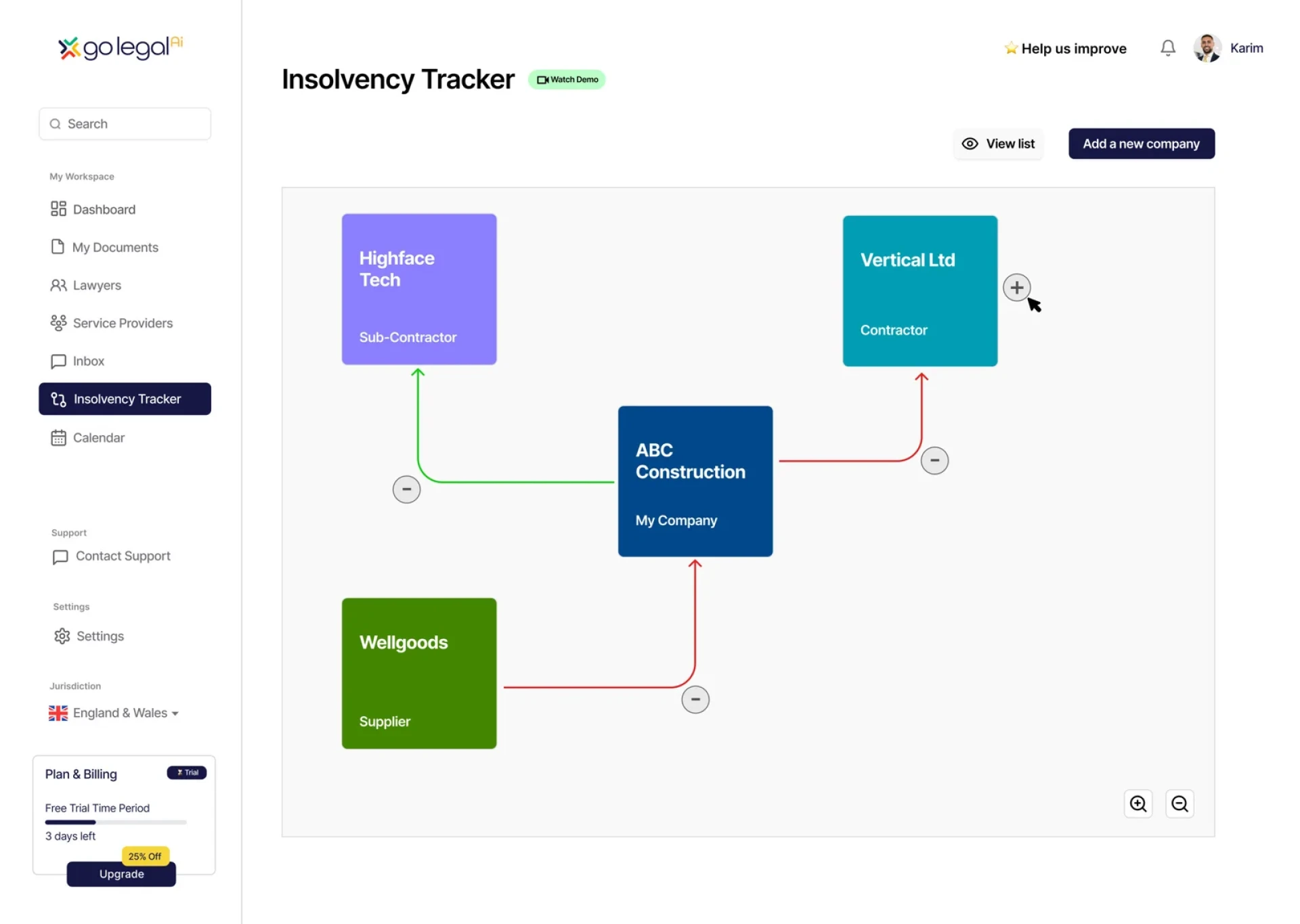
The legal industry, long known for its traditional and sometimes slow-paced nature, is undergoing a remarkable transformation thanks to the advancements in Artificial Intelligence (AI). AI is now playing a pivotal role in reshaping how legal services are provided, offering both clients and law firms new efficiencies and opportunities. From automating tedious tasks to enhancing legal research, AI is proving to be a valuable asset in the legal field, and its influence is set to grow in the coming years.
What Are AI Legal Services?
AI-powered legal services are tools that leverage machine learning, natural language processing, and other AI technologies to assist with legal tasks. These services range from document analysis to contract drafting and even legal research. The goal of AI in legal services is not to replace human lawyers but to augment their capabilities, streamline processes, and make legal services more accessible and affordable.
For instance, AI systems can rapidly analyze vast amounts of legal documents, identify key clauses, and even flag potential issues that require further human scrutiny. This reduces the time and effort required to complete routine legal tasks, allowing lawyers to focus on higher-level responsibilities.
How AI is Transforming Legal Services
- Efficiency in Document Review and Contract Analysis
Traditionally, legal professionals spend a significant amount of time reviewing documents, whether it's a contract, case file, or other legal material. This process can be tedious and prone to human error. With AI, this task becomes much faster and more accurate. AI systems can scan thousands of pages of documents, extract relevant information, and identify discrepancies in record time. This not only speeds up the process but also reduces the risk of errors, ensuring higher-quality outcomes for clients.
- Cost-Effective Legal Solutions
One of the most significant benefits of AI in legal services is the reduction in costs. Traditional legal services can be expensive, especially for individuals or small businesses needing routine legal help. AI-powered tools can automate many of the repetitive tasks that would typically require a lawyer’s time, significantly lowering the cost of legal services. For example, AI can assist with drafting standard contracts or providing initial legal advice, all of which reduces the need for costly hourly consultations.
- Enhanced Legal Research
Legal research can be an arduous process, often requiring lawyers to sift through volumes of legal texts to find relevant precedents or statutes. AI can streamline this process by instantly analyzing large databases of legal materials, offering lawyers the most pertinent information quickly. AI-powered tools can search for patterns in case law, identify relevant precedents, and even suggest strategies based on historical data, making the research process more efficient and thorough.
- Improved Accessibility for Clients
AI also plays a crucial role in making legal services more accessible. Many individuals, especially small business owners or those without significant resources, may not be able to afford traditional legal services. AI-powered platforms are making it easier for individuals to access legal advice and support at a fraction of the cost. By automating routine tasks, AI helps bridge the gap for those who need legal assistance but might otherwise be unable to afford it.
- The Rise of Virtual Legal Assistants
AI is not just limited to document review or legal research; virtual legal assistants powered by AI are also becoming increasingly common. These assistants can handle a range of tasks, from scheduling appointments to answering client questions. By automating administrative duties, virtual assistants free up human lawyers to focus on more complex legal issues, improving both client experience and law firm productivity.
The Future of AI in Legal Services
As AI continues to evolve, its role in legal services will only grow more pronounced. Legal professionals will increasingly rely on AI to streamline their operations, reduce costs, and improve service delivery. For businesses and individuals seeking legal assistance, the future holds a more efficient, affordable, and accessible legal experience.
To learn more about how AI can improve your legal experience, explore Legal services provided by innovative AI technologies designed to meet your needs.



Sign in to leave a comment.